Opposition Prepares No-Confidence Debate for Early December
Opposition parties agreed to pursue a no-confidence debate against the government in early December, using November to gather more evidence of corruption and power concentration while pushing four
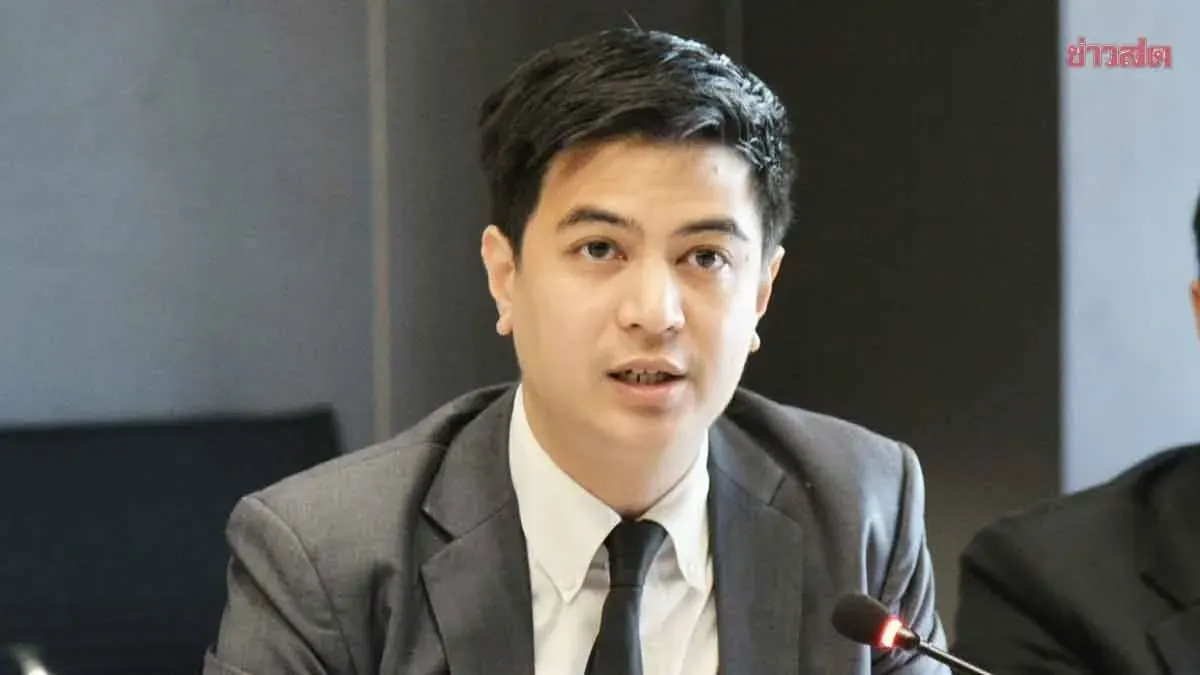
Opposition chief whip Prasit Wacherasin, a party-list MP and deputy leader of the People's Party, posted on Facebook after an opposition whip meeting that all opposition parties agree their top priority is to move forward with a no-confidence debate against the government under Article 151 of the constitution. They intend to use the debate to demonstrate that many problems citizens face — household economics, quality of life, and career-growth opportunities — stem from government behavior that concentrates power, entangles itself in corruption, and fails to anticipate or solve problems effectively.
Prasit stated the opposition is already ready in terms of content, evidence, and time allocation among speakers. However, since the Article 151 debate has been shifted to early December, the opposition will spend the remaining month monitoring and collecting additional information on any government actions that repeat past problems, interfere with or conceal evidence, or create new issues that further erode trust.
Prasit also noted that while a general debate to question and advise ministers under Article 152 remains another mechanism the opposition could use, the coalition concluded today not to pursue it for now. However, they retain the constitutional quota to propose it once before the session closes at year-end.
For parliamentary work throughout November, the opposition intends to use various mechanisms to scrutinize the government and push solutions for the public, proposing four items: 1. Push for a House debate on the opposition leader's motion to allow MPs to voice opinions before the FY2028 budget is drafted, ensuring allocations match the country's problems and the energy, geopolitical, and disaster crises, aligning with the government's ongoing Pre-Budget Consultation with various sectors. 2. Advance the many bills still pending on the House agenda, especially those proposed by MPs including opposition MPs — such as the Information Act to disclose state information transparently, environmental laws to address toxic substances and factory standards, and decentralization laws to unlock local governance. 3. Convene a joint sitting of Parliament to consider draft Organic Acts and constitutional amendments stalled for months, such as extending and simplifying asset declarations for political officeholders, and enhancing public power to oversee and remove independent agencies so they are not independent from the people. 4. Add House sitting days to make up for sessions lost to floods or other causes, and to honor the first session's agreement to schedule at least one to two extra sitting weeks per month.
The opposition hopes all sectors will join in pressing these four proposals to make parliamentary mechanisms work effectively.