Oil Vapors Detected Near Bangkok Fuel Pipeline
Oil vapor emissions detected near a Bangkok fuel pipeline on Rama III have prompted authorities to halt operations and investigate three suspected leak points, with flammability levels reaching hazardous concentrations in drainage systems d
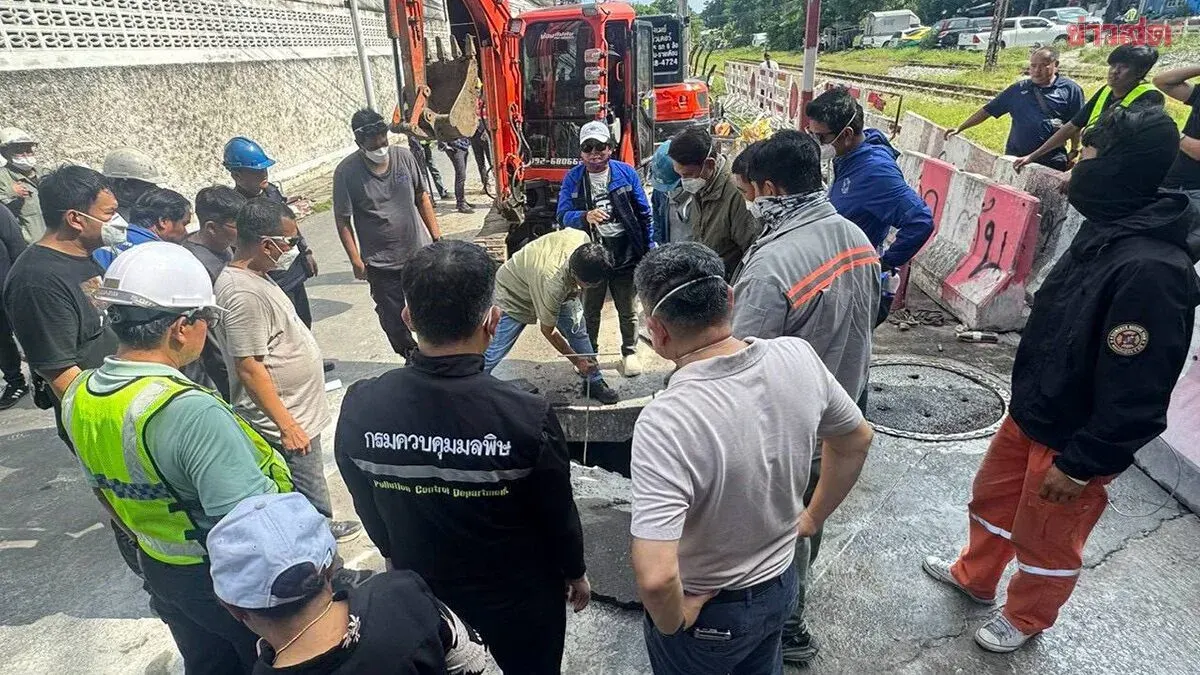
The Pollution Control Department has issued a warning over oil vapor emissions on Fuel Road, Rama III in Bangkok, with volatile organic compound (VOC) readings reaching 626 ppm and flammability levels between 2–18%. Dr. Surin Vorakitthamnrung, director of the Pollution Control Department, announced that authorities are continuously monitoring the oil leak and working to locate its source. Measurements of VOCs and flammability levels in Bangkok's drainage system show high concentrations in some downstream areas, believed to be caused by trapped vapors accumulating where the contaminated zone was cordoned off.
A survey conducted jointly with Bangkok's public health office found that nearby communities still detect oil odors periodically, while the Fuel Road Development community in Yan Nawa district, located 20–50 meters from the incident site, reports no odor. Health officials found no detectable VOCs or flammability levels in that community and have advised residents to wear protective masks, avoid smoking, and refrain from activities that could create sparks.
The oil transport operator halted pipeline operations on September 8 and is currently excavating suspected leak points. Once found, repairs are expected to take approximately five days. The operator has prepared contingency plans and ceased all oil transfers through the pipeline pending repairs and safety confirmation. Private sector experts using Direct Current Voltage Gradient (DCVG) technology have preliminarily identified three suspect locations before excavation begins. The Pollution Control Department mandates that flammability levels be checked before all work to mitigate vapor risks.
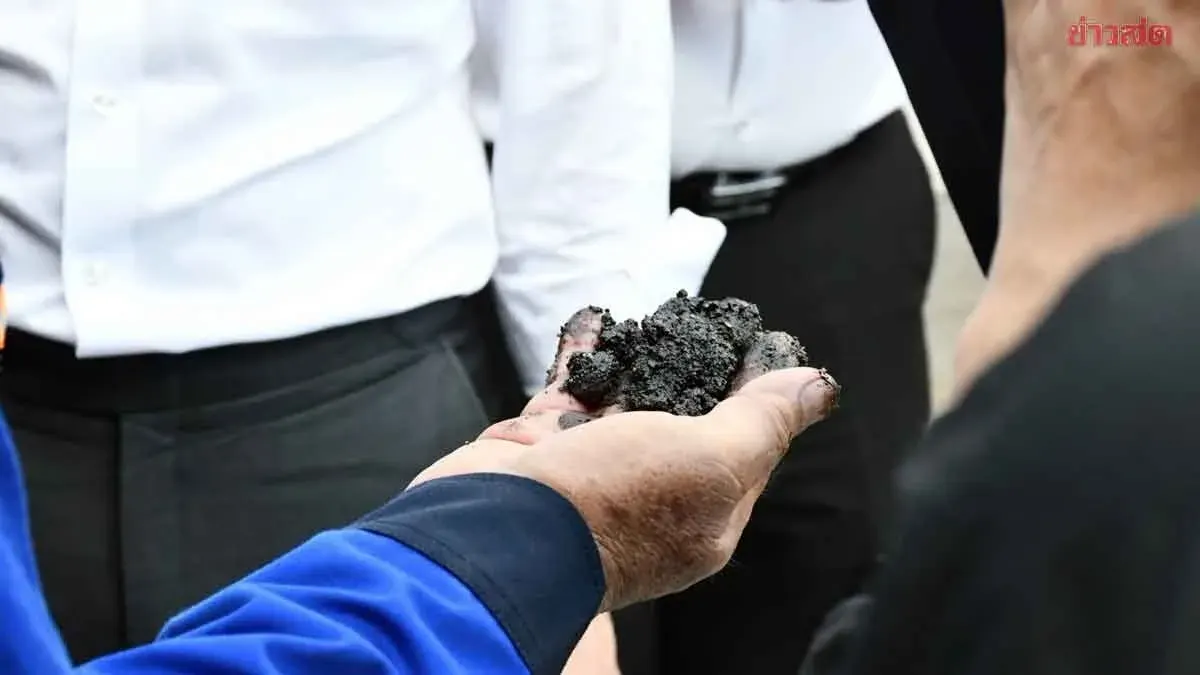
On September 10, authorities collected oil samples for fingerprint analysis to compare with samples found in the drainage system, which will help confirm whether there is a single source of the leak and aid in identifying the origin of the contamination.