Opposition Leader Says Evidence Ready for Senate Fraud Case
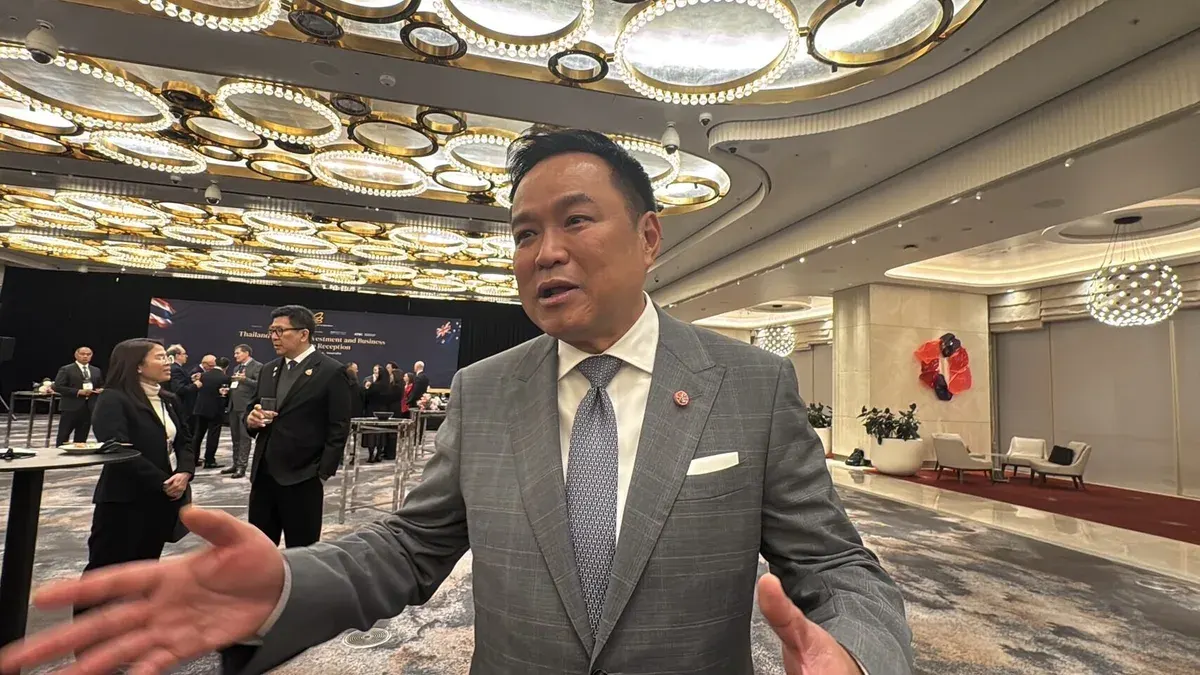
Opposition leader Nattapong Rueangpanya says the opposition has evidence implicating Bhumjaithai politicians in the Senate fraud case and will present it during parliamentary interrogation, accusing PM Anutin of deflecting accountability.

Opposition leader Nattapong Rueangpanya has criticized Prime Minister Anutin for deflecting scrutiny of the Senate fraud investigation, stating the opposition holds clear evidence potentially implicating Bhumjaithai politicians. Speaking on August 18 at a Prachuap Khiri Khan provincial administration meeting, Nattapong said the opposition will bring evidence forward during parliamentary interrogation. He characterized government statements dismissing the fraud as politically unrelated as an attempt to block opposition oversight and a lack of political courage. Regarding the PM's accusation that the opposition is leveraging the Senate quota issue to gain power, Nattapong countered that all parties contesting elections naturally seek to govern, adding the opposition does not deny its goal to become government and reform Thai politics, but the PM should not use rhetoric to evade parliamentary accountability. When asked if the case failing to proceed against all 229 implicated individuals would amount to whitewashing, Nattapong said the Election Commission must refer all evidence to the Supreme Court, noting that legal standards require only reasonable belief to warrant prosecution. He warned the opposition is prepared to challenge any improper action by the Election Commission through multiple legal mechanisms. Regarding political pressure for PM Anutin to resign or dissolve parliament, Nattapong stated the PM has options at any time, but leaders must be ready for scrutiny and public accountability, leaving such decisions to the PM himself. When asked whether this represents internal conflict within the same political faction, Nattapong argued the blue-system coalition appears strong externally but lacks genuine political will because it is bound by mutual interests rather than shared policy objectives. He suggested this interest-based coalition structure contains inherent fragility, evidenced by current rifts and the emergence of the very evidence now public, which could only originate from those who participated in the original process and lost benefits from it.