Parliament Oversight Crisis Deepens Amid Majority Control Attempt
Thailand's House of Representatives faces a deepening crisis of confidence as the ruling Pheu Thai Party's withdrawn draft rules — which would have cemented majority control over parliamentary committees — reveal an ongoing effort to weaken opposition oversight. Speaker Sophon Saran and the House bureaucracy continue to steer proceedings in the government's favor, while Prime Minister Anutin Charnvirakul openly resists committee scrutiny. The standoff highlights a broader breakdown in checks and balances, leaving the country's trajectory dependent on whether the public accepts or challenges the status quo.
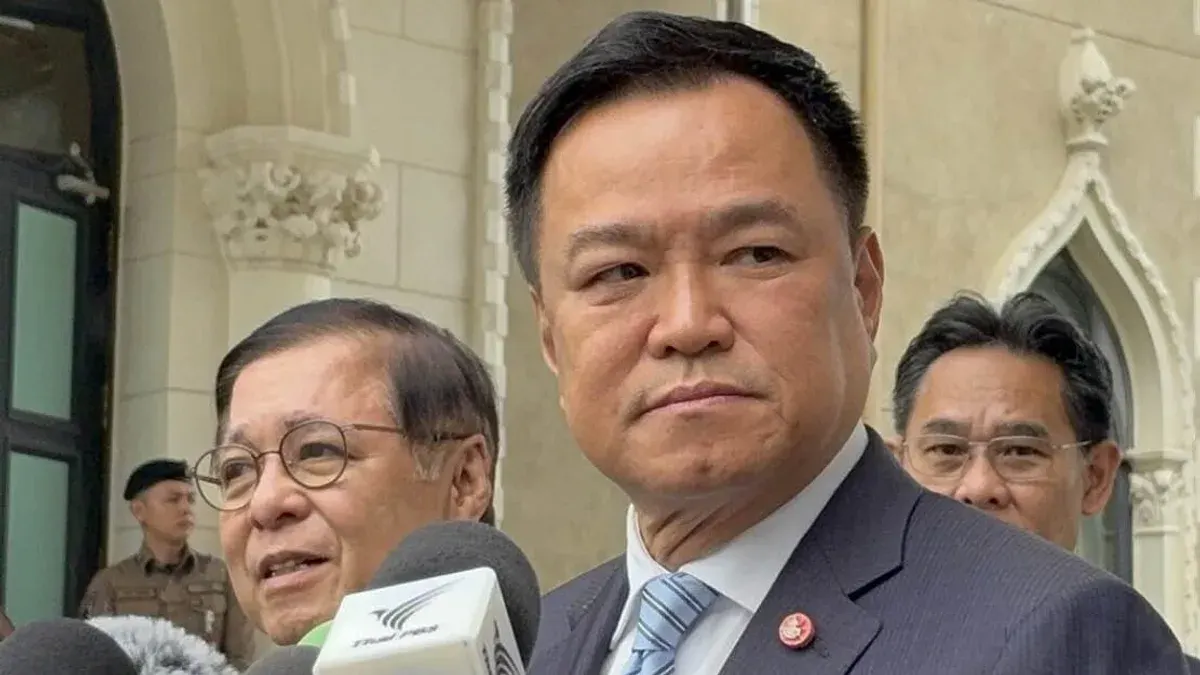
The situation in the House of Representatives remains under scrutiny as the majority Pheu Thai Party appears to be attempting to control oversight mechanisms of opposition MPs. Although the party seemed to back down by withdrawing a draft amendment to meeting regulations that would grant the majority full control over committee operations — including setting agendas, summoning witnesses, and electing committee chairs by simple majority instead of a quota system — the withdrawal does not signal an end to the obstruction. The move would have effectively entrenched the current majority indefinitely, raising questions about public benefit. Meanwhile, Speaker Sophon Saran, backed by the House Secretariat and permanent officials, continues to steer proceedings in a way that limits oversight. Whether officials are pressured or willingly comply, they show no sign of retreat. Prime Minister Anutin Charnvirakul's visible displeasure at being summoned by committees, asserting his status as head of the executive while dismissing the committee chair as merely a chair, reflects a belief that committee oversight is inappropriate. This raises the question: why does a committee with only the power to inquire, report, and lacking any authority to punish, provoke such a strong reaction from those in power? In truth, committee authority would hardly matter if the judicial process functioned normally. But when everything deviates from that norm — cases involving the powerful are delayed, silenced, or stalled, while those against opponents proceed with rocket speed — the mere existence of an oversight power that cannot be controlled or contained becomes a sensation and a source of hope. Nevertheless, the attempt to control oversight mechanisms will persist. The country's direction now depends on social currents and public expression of agreement or dissent. If no one objects, the status quo under a 'blue' government will continue. But if the public disagrees, it becomes a problem for a government that appears overwhelmingly stable yet faces a crisis of public confidence, making it difficult to move forward.