Parliament Power Struggle Intensifies Over Committee Oversight Changes
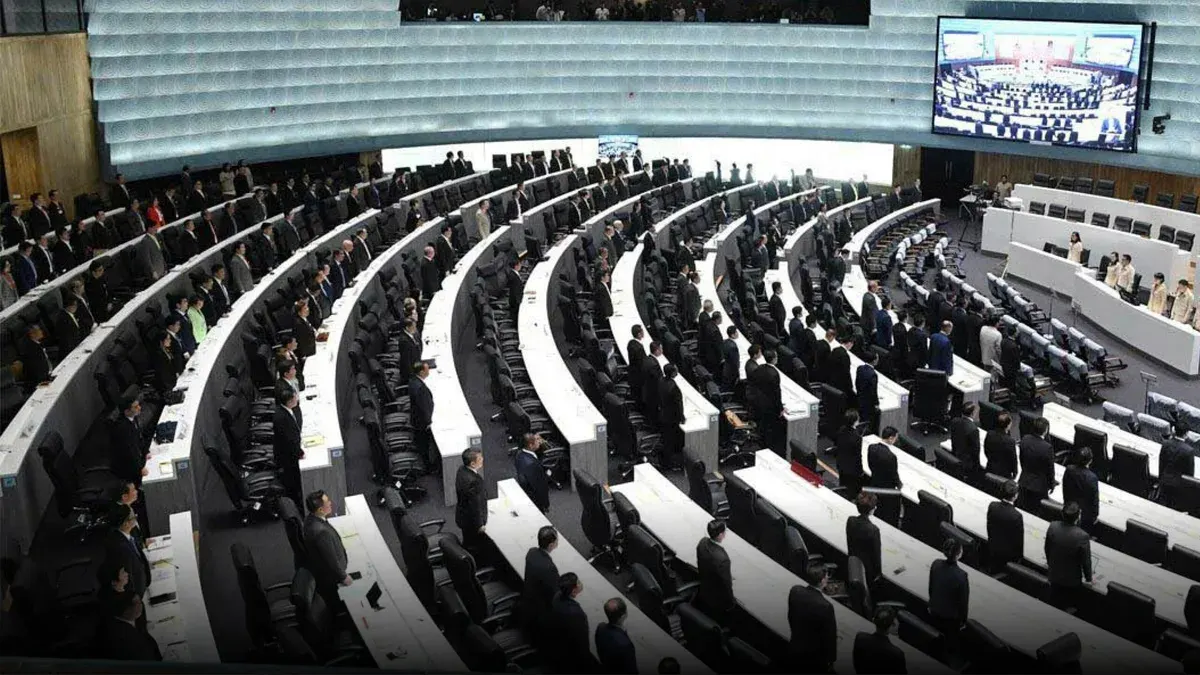
House Speaker Sophon Saran issued a circular shifting parliamentary committee powers from chairs to majority votes, while the Bhumjaithai Party pushed through rule changes letting the majority elect all committee chairs — including those traditionally held by opposition MPs. The Legal Affairs Committee responded by summoning Speaker Sophon and Prime Minister Anutin over a nationwide local exam cheating scandal, but a senior official under Anutin refused to appear, defying the summons. Critics say the moves aim to cripple legislative oversight and raise questions about what the government fears from scrutiny.
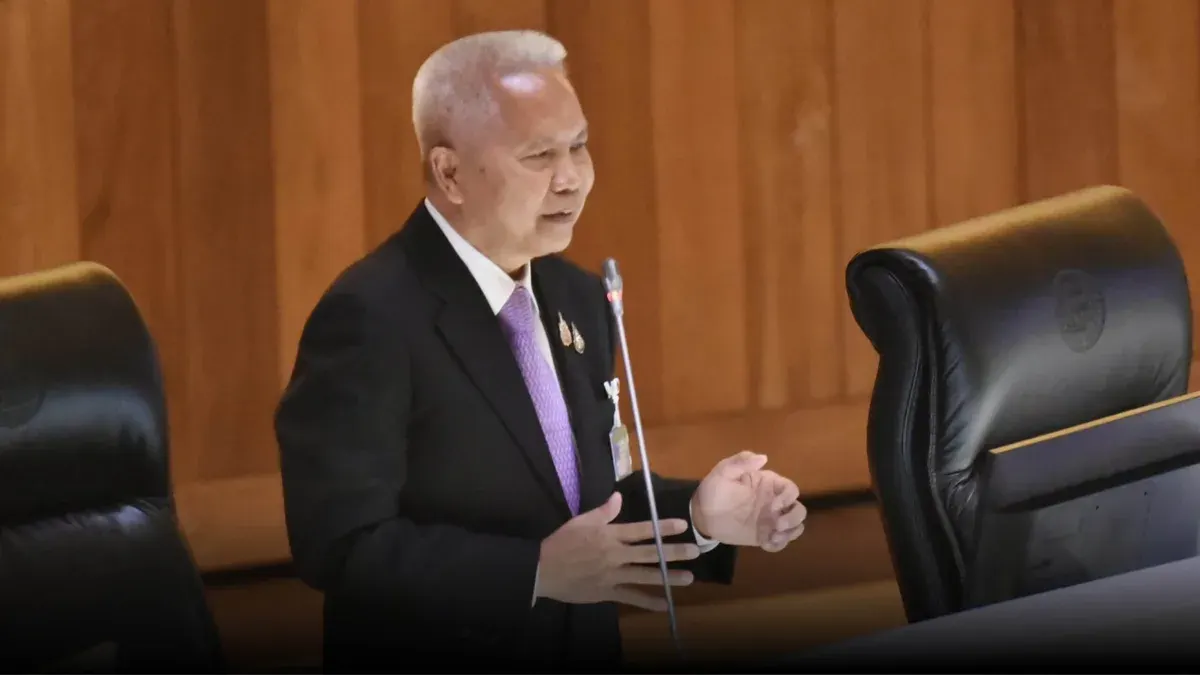
The hottest political issue this past week centers on House Speaker Sophon Saran's circular altering parliamentary committee operations, shifting powers from committee chairs to majority votes — whether summoning witnesses or setting agendas. This follows the Bhumjaithai Party's fast-tracked proposal to change committee chair selection from proportional quotas to voting, effectively letting the majority control all committees, including those chaired by opposition members. Critics accuse the government of trying to neuter legislative oversight, particularly of committees led by opposition MPs. Despite firm denials, public skepticism runs high, especially after the Legal Affairs Committee, chaired by Rangsiman Rome, voted to summon Speaker Sophon over the circular and summoned Prime Minister Anutin Charnvirakul and the Interior Minister regarding the local election exam cheating scandal. Department of Provincial Administration Director-General Narucha Khosachivais, a subordinate of Anutin, refused to appear before the committee, defying its summons immediately. Some call this unethical; others call it authoritarian. It leaves most people asking: what is the government so afraid of regarding committee oversight? The government itself admits the local exam cheating was rampant — so why refuse to explain? Beyond that, people are starting to wonder who truly benefits from stripping committees' investigative powers. Does the public suffer from oversight, or benefit from it? And how does weakening accountability help society? It brings to mind the old political taunt: if you've done nothing wrong, why be afraid? Or is all this frantic door-slamming driven by fear itself?