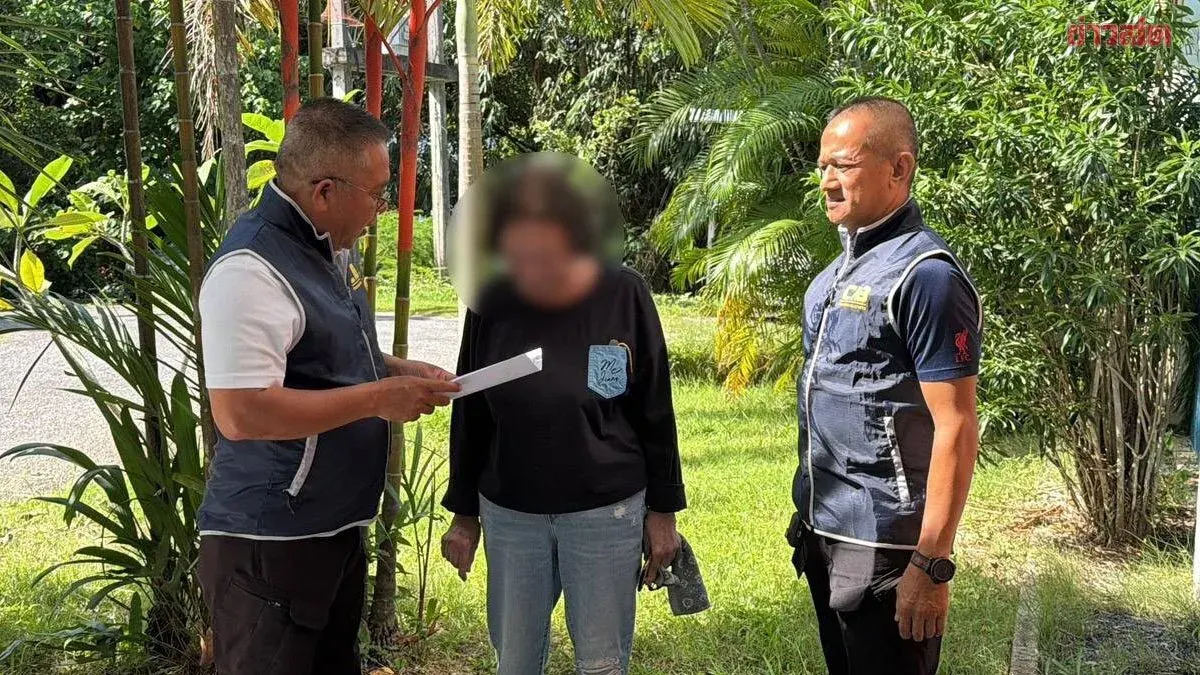
Pheu Thai Deputy Chief Backs Full Probe Into Phuket MP Over Nominee Claims
Pheu Thai's deputy leader backs a full investigation into a Phuket MP accused of involvement with 28 nominee companies, saying the National Anti-Corruption Commission is best positioned to verify asset declarations submitted by lawmakers.
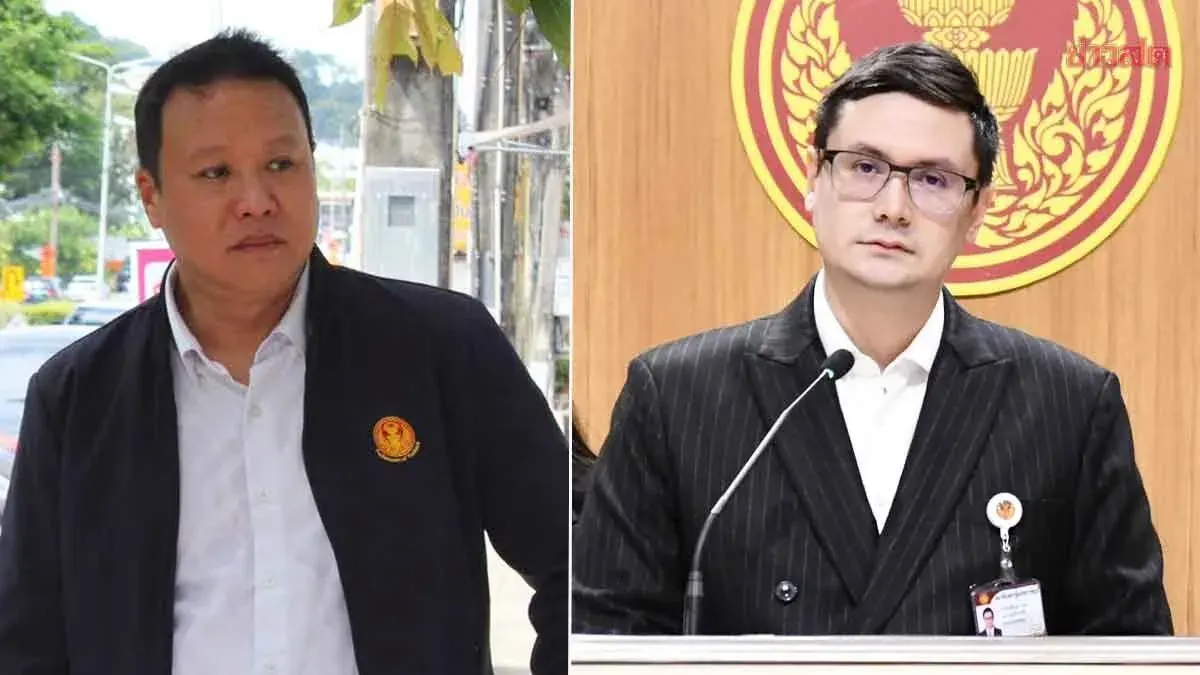
At 1:45 p.m. on August 20, 2025, at Parliament, Rangsiman Rom, a Pheu Thai list MP and deputy party leader, addressed allegations against Phuket MP Somchai Techavatcharajorn of the Thai Democrats Party, who was accused of involvement with 28 nominee companies. Rom clarified that Somchai denies the connection but noted that all company names have not yet been reported to the National Anti-Corruption Commission, raising questions about potential asset concealment. Rom separated the issue into two distinct matters: the nominee allegation and the asset disclosure concern. Regarding asset disclosure, he said this falls within the NACC's remit, as MPs are legally required to file asset information with the commission. If facts match the reports, the NACC can proceed accordingly. On the nominee issue, Rom confirmed that Pheu Thai previously submitted the matter to the Department of Business Development for investigation through the Political Development Committee, and the party takes the allegation seriously. He stated that if Somchai chooses to clear his name at the DSI, that is a legal process that must continue. Rom emphasized that Pheu Thai has not remained silent and has submitted the matter for scrutiny. As far as he knows, the Department of Business Development has not yet reported findings of any nominee involvement. Should evidence emerge, Pheu Thai will support legal action. When asked about prior complaints to the party, Rom confirmed the main allegation centers on nominee companies, and if facts prove otherwise, this would trigger further consequences including asset concealment proceedings. He stressed that the party has already taken steps, namely referring the case to the Department of Business Development, because Pheu Thai treats the nominee issue as significant. The party expects all its MPs to avoid involvement in such matters, and should anyone be implicated, legal action must follow strictly. On whether the party feels troubled by the recurring problem, Rom said Pheu Thai does not want such issues to occur, but when they do arise, the most important response is to manage them appropriately and enforce the law. He stressed that the standard Pheu Thai wishes to see in Thai political society is a refusal to protect wrongdoers. Should evidence prove wrongdoing, action must be taken within the party's authority, though party procedures may be more limited than criminal prosecution. Rom concluded by saying that today's accusation involves the Phuket MP being linked to nominees, and Pheu Thai's response is to work with relevant authorities empowered to handle the case. The NACC, he argued, is best positioned to investigate because MPs submit asset declarations directly to the NACC, not to the party, meaning the NACC has superior access to data and can verify whether declared assets are accurate.