Thailand's economy grew 1.9% in Q2 2025, slowed by Middle East tensions, but private investment surged to a 13-year high and exports expanded 12.5%, signaling resilience despite near-term headwinds.
The National Economic and Social Development Council reported that Thailand's economy expanded 1.9% in the second quarter of 2025, down from the previous quarter and contracting 0.2% quarter-on-quarter on a seasonally adjusted basis. The slowdown was driven mainly by Middle East tensions affecting energy prices, shipping costs, and business confidence.
Despite the headwinds, the Thai economy showed resilience with several engines still firing. Total investment grew 9.1%, while private sector investment surged 13.4%—the highest in 54 quarters or roughly 13.5 years—reflecting business spending on machinery, computers, software, and technology for the digital economy. Exports of goods and services expanded 12.5%, with merchandise exports rising 14.1% on the back of telecommunications equipment, computer components, and technology products following global economic cycles, though passenger car exports faced pressure from carbon regulations and competition from electric vehicles.
Private consumption grew 1.9%, a slowdown from 3.3% in the first quarter, particularly in spending on hotels, restaurants, transportation, fuel, and vehicles. However, food, beverages, clothing, footwear, and furniture continued to expand. The industrial sector grew only 0.1% due to weakening domestic purchasing power, though electronics, semiconductors, and computers posted strong growth, reflecting the transition to new industries. Agriculture expanded 1.5% from fruit and rubber production, while tourism and food services grew 1.5%; although foreign arrivals declined, average spending per tourist rose by nearly 53,000 baht per trip, supporting service-sector revenue.
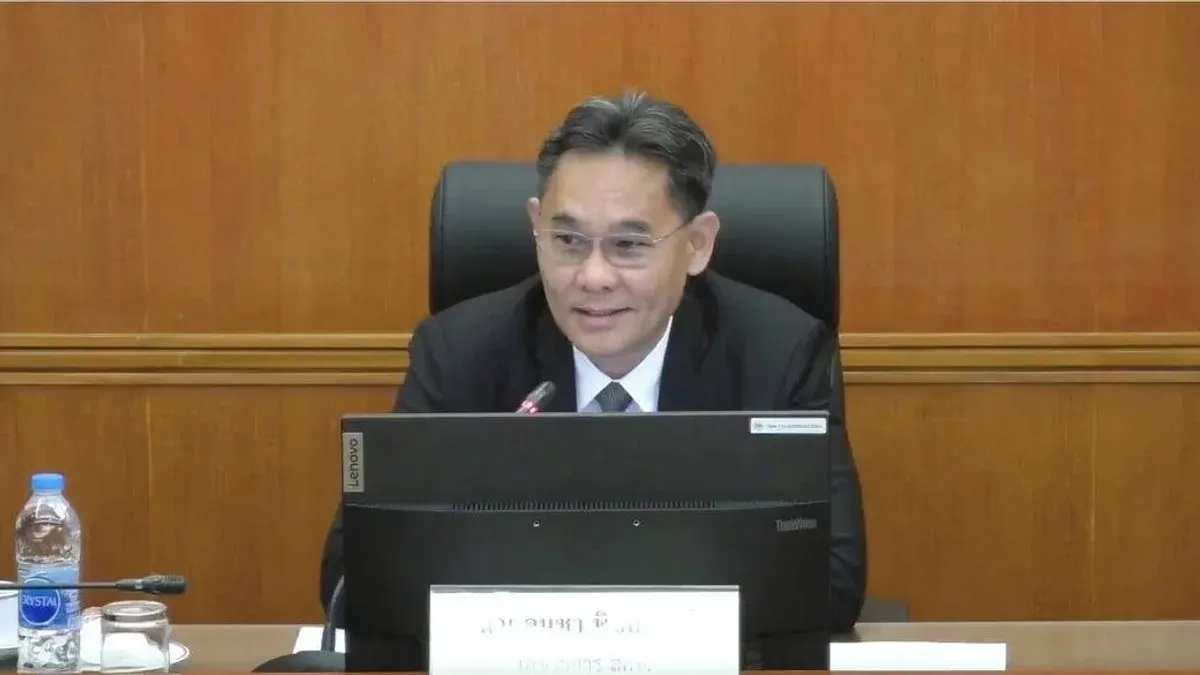
Council Secretary-General Danucha Pichayanan noted that Middle East impacts in Q2 were significant, affecting energy prices, oil imports, and logistics costs, which widened the current account deficit. However, excluding oil and gold trade, Thailand maintained a trade surplus of roughly 9 billion US dollars, showing the strength of the underlying trade base.
"Q2 faced considerable pressure from Middle East tensions, but the next quarter should see a recovery, and we expect full-year growth of around 2.2%," Pichayanan said.
The council raised its 2025 growth forecast to 2.2% and widened its range from the previous 1.5–2.5% to 1.7–2.7%. Global economic growth is now forecast at 3.3%, up from 2.9%, and merchandise exports are projected to grow 2.5–3.5%, with private investment continuing as a key driver supported by the Thailand Fast Pass investment acceleration programme.
For Q3, the council expects a rebound from Q2, which may represent the year's low point if Middle East tensions do not escalate. Oil prices and commodity prices that surged in Q2 are showing signs of moderating in the second half, though close monitoring continues.
Key risks to watch include the Middle East situation, US trade measures, volatile capital markets, El Niño, and persistently high household and small-and-medium enterprise debt levels, which directly constrain purchasing power and employment. Regarding consumption stimulus, the council will track results from the "Thai Helping Thai Plus" programme before considering additional measures, as Q2 figures do not yet reflect its impact. Borrowing under the emergency decree must prioritise value-for-money outcomes.