Thailand Seeks Inclusive Research Reform to Close Inequality Gap
Thailand's policy council is pushing research reforms to ensure innovation benefits all communities equally, not just wealthy areas and industries, by redistributing decision-making power and including marginalized voices in setting researc

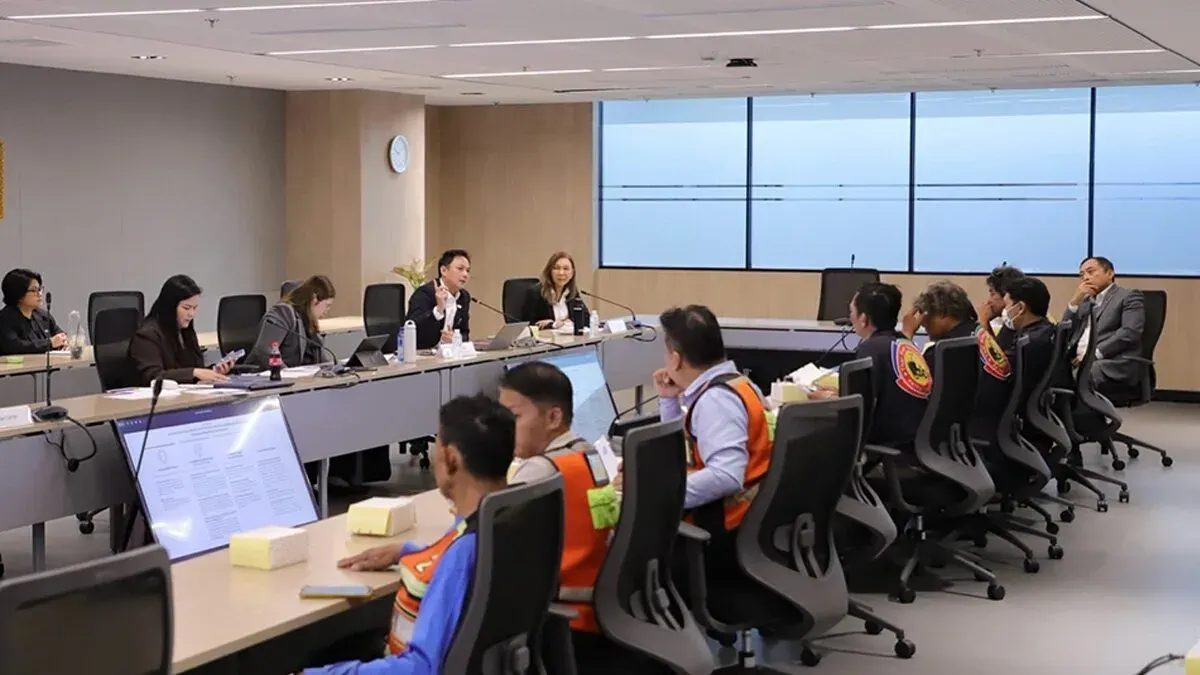
The National Higher Education, Science, Research and Innovation Policy Council held its fourth policy dialogue forum titled "Closing the Gap: Pathways to Inclusive Growth" this past week. Scholars proposed sweeping reforms to Thailand's research and innovation system to address structural inequality by redistributing decision-making power over research priorities and creating space for marginalized communities and remote populations to participate. The goal is to ensure knowledge, technology, and innovation reach all groups equitably.
Dr. Suchat Udomsophkicit, Deputy Director of the council, said that future development must shift from focusing solely on economic growth to achieving inclusive growth that fairly distributes both the quality of development and its benefits. Although Thailand invests continuously in research and innovation, benefits remain concentrated in certain areas, industries, and population groups, while structural inequality remains a critical barrier to national development.
Reducing inequality must begin with system and policy design rather than treating symptoms alone. This requires understanding people's differences and local contexts while integrating social sciences and humanities into research and innovation systems to address social challenges more deeply and comprehensively.
Associate Professor Dr. Anusorn Uno, anthropology lecturer at Thammasat University, said part of Thailand's inequality stems from long-accumulated capital and resource ownership structures, especially in communities facing legal restrictions on resource management. Understanding relationships between people, culture, and environment within specific local contexts is essential.
He noted that inequality extends beyond income to include the erosion of "alternative knowledge" reflecting voices and experiences of people outside or on the margins of the system. When such knowledge is diminished by state centralization, some groups have less opportunity to be seen and participate in policy-making.
New development models like "green capitalism," while environmentally motivated, may burden farmers and local communities if rule-setting and benefit distribution are unfair. Policies must therefore balance environmental, equity, and people's rights concerns.
Associate Professor Dr. Atchara Chalaynamnawin, Dean of the Faculty of Social Welfare at Thammasat University, said inclusive growth requires parallel "social investment." Welfare systems should not merely provide relief during crises but should invest in strengthening people's capacity for self-reliance and sustainable living.
Inequality also stems from compounding factors—for example, autistic children from wealthy families access education and skills development, while those from poor families face early limitations, creating vastly different education and employment opportunities. "Digital inequality" too goes beyond device and internet access; it is linked to accessing government services.