Pollution Department Corrects Water Data in Prachinburi Fish Kill
Thailand's Pollution Control Department has corrected water quality data for a fish kill in Prachinburi province, admitting errors in previously reported ammonia and aluminum levels. Corrected tests show ammonia at 0.22-0.48 mg/L and aluminum at 0.559-3.547 mg/L, with the latter requiring further investigation. The department plans to collect river sediment samples after floods recede to identify pollution sources.
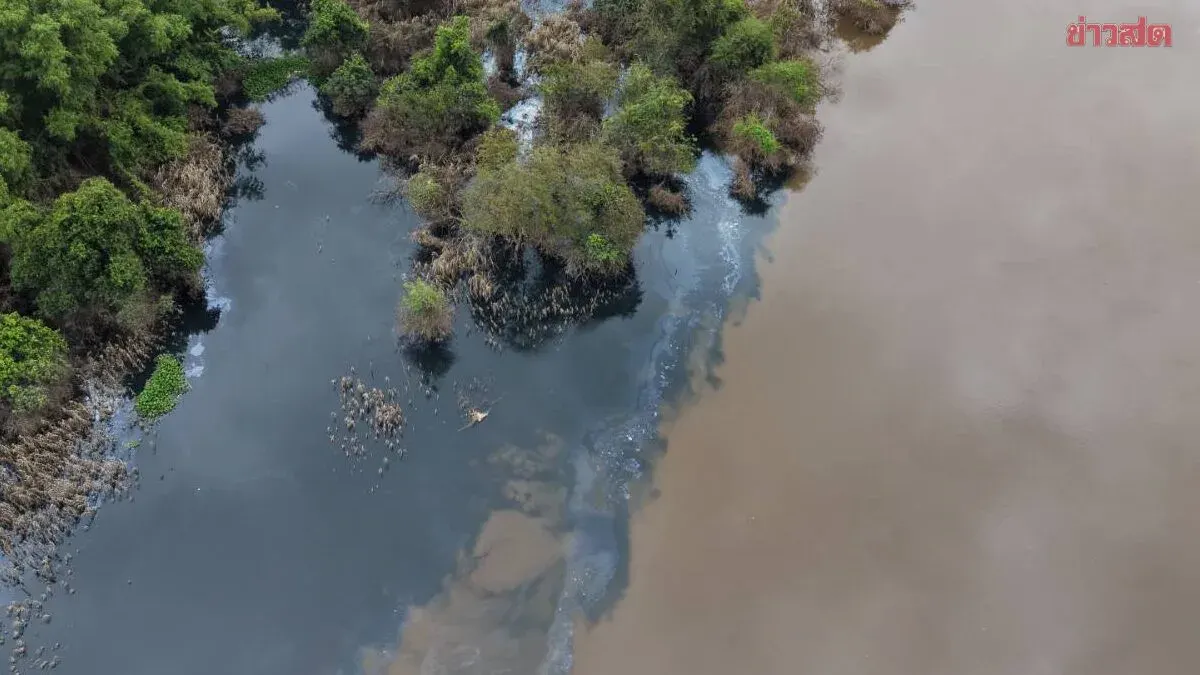
The Pollution Control Department (PCD) under the Ministry of Natural Resources and Environment has corrected water quality analysis data for the fish kill case in Ban Tham, Tha Tum Subdistrict and Hat Nang Kaeo Subdistrict, Si Maha Phot District, Prachinburi Province. After data review, the department found errors in the previous report's specification of ammonia and aluminum concentration values in the water, and is now clarifying the correct information for the public and media. From water samples collected at four tributary points flowing into the Prachinburi River on October 12, and five points in the main river covering Kabin Buri, Si Maha Phot, Mueang, and Ban Sang districts on October 16, dissolved oxygen (DO) levels in the Prachinburi River ranged from 2.5-7.5 mg/L. Corrected analysis shows ammonia levels of 0.22-0.48 mg/L, while most heavy metals were below 0.01 mg/L, except aluminum, detected at 0.559-3.547 mg/L. The aluminum figures were the erroneous data from the previous report, which had been swapped with ammonia values. The PCD apologizes for the reporting error and emphasizes the importance of scientific accuracy, transparency, and fact-checking. The detection of aluminum requires further monitoring to assess its source and potential link to the fish kill. The PCD plans to collect sediment samples from the Prachinburi River and tributaries after floodwaters recede, focusing on areas receiving runoff from industrial estates, communities, and agricultural zones to evaluate pollutant accumulation in sediments and comprehensively assess the cause.