Thailand's Ministry of Higher Education launched the second cohort of a training program for university leaders on August 13, aimed at strengthening governance and transparency across 45 institutions through knowledge-sharing and best-pract
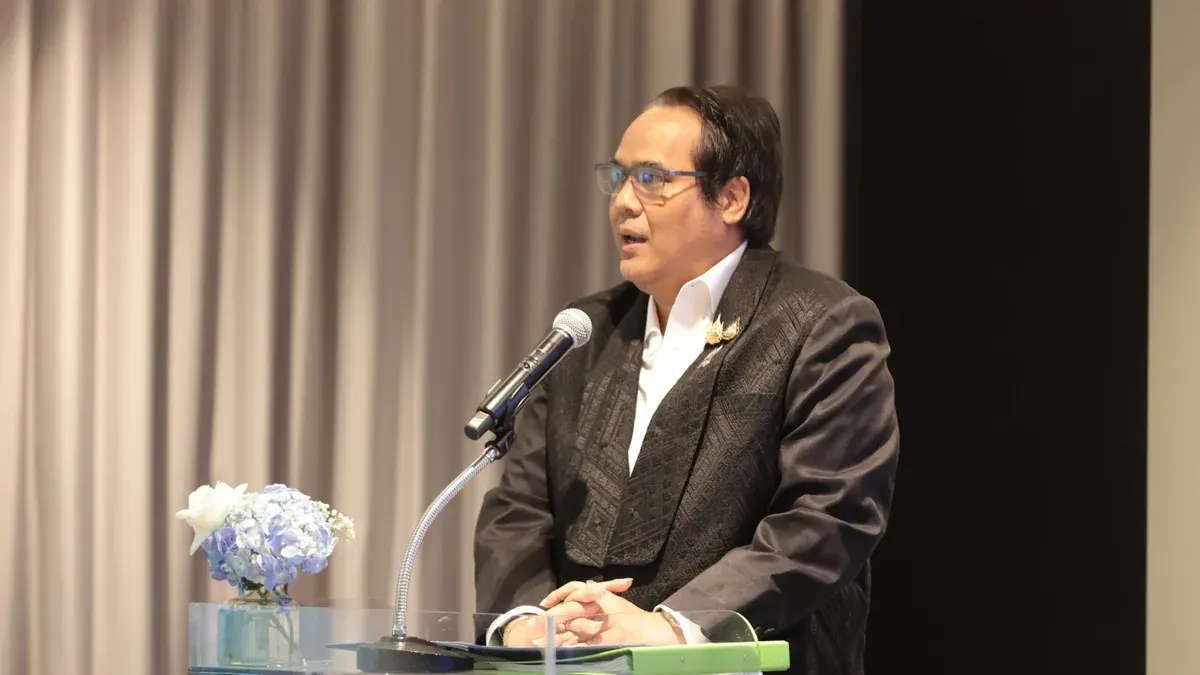
On August 13, 2025, at the Avani Atrium Bangkok hotel, Dr. Panth Aruneekul, Deputy Secretary of the Ministry of Higher Education, Science, Research and Innovation, opened the second cohort of the Higher Education Quality Promotion Programme for University Council Members and Senior Administrators for the 2025 fiscal year. The event was attended by Jarureena Pu-ranyan, Head of the Strategic Initiatives Division at the ministry office, and various university leaders and government officials.
Dr. Panth Aruneekul stated that the programme serves as a critical mechanism to strengthen the knowledge, understanding, and capabilities of council members and administrators, enabling them to apply governance principles in institutional oversight and management with efficiency, transparency, accountability, and responsibility in line with the Higher Education Act of 2019. The ministry's office has also drafted a ministry regulation on best practices for managing higher education according to governance principles in 2025, establishing a framework for developing quality, transparent, and sustainable management systems.
The training programme functions as a platform for exchanging knowledge, experience, and case studies to be applied in institutional management, while promoting each institution's strengths in technology, innovation, community development, social innovation, and workforce development aligned with industry needs. Dr. Panth Aruneekul emphasized that the ministry prioritizes budget allocation for higher education development alongside enhanced governance and transparency, with council members and administrators serving as key mechanisms to foster environments conducive to change and innovation, enabling Thai universities to create positive impacts on the economy, society, and nation.
According to Jarureena Pu-ranyan, the second cohort programme runs for eight days across four sessions between August and September 2025, with 45 participants including university council chairs, council members, and senior administrators from 31 public higher education institutions, 13 private institutions, and one ministry unit. Participants learn from expert speakers from both public and private sectors and exchange experiences and case studies to apply this knowledge to institutional and organizational management with efficiency, transparency, and responsiveness to changing higher education contexts.
On August 13, 2025, participants attended lectures and discussions on key topics including the ministry's strategy, higher education strategy, and proactive university council strategies focused on achievement; institutional advancement under ministry policies; and global university rankings to develop Thai higher education quality.