Ruling Party Lawmaker Warns Against Pressuring Election Commission
A ruling party lawmaker warned against using parliamentary oversight of the Election Commission to pressure its decisions on ongoing Senate selection cases, arguing scrutiny must remain distinct from coercion.

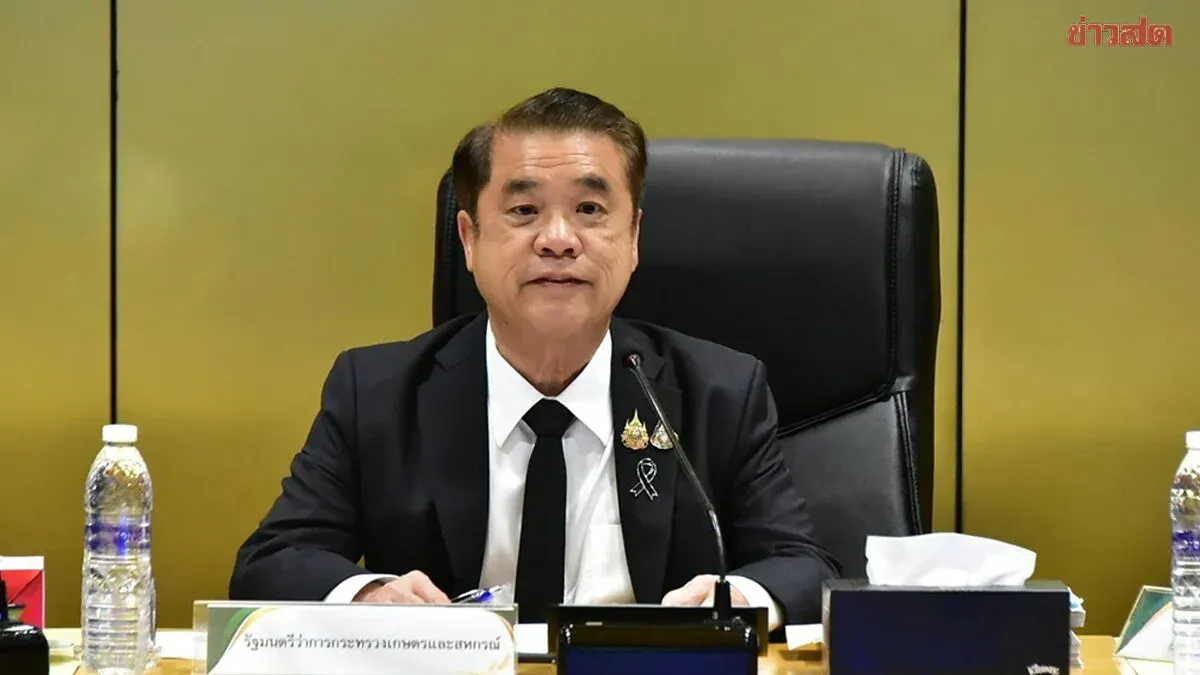
Suphachai Jaisamoot, a list-based MP from the Bhumjaithai Party, questioned whether opposition scrutiny of the Election Commission represents legitimate oversight or improper pressure. He stressed that while Parliament has a duty to examine independent bodies, it must distinguish between questioning their work and steering the outcome of ongoing processes.
Yesterday, the House of Representatives scheduled a meeting to review the Election Commission's 2567 annual performance report, covering elections, Senate member appointments, investigations, party affairs, and administration. However, based on opposition statements, the debate appears to focus on Senate selection cases still under the Commission's review, raising questions about whether Parliament is conducting routine oversight or pressuring an unfinished process.
More significantly, if information from incomplete investigations is used in parliamentary debate, the source and lawfulness of such documents must be questioned, along with whether the person disclosing them had authority to do so. Lawmakers, especially when exercising legislative oversight powers, should be cautious not to appear to use incomplete investigation data to pressure the Commission's decision-makers.
Parliamentary privilege should not excuse overlooking the source of documents, their legality, or fairness to individuals named in Commission proceedings. The Election Commission must be scrutinized for delays, transparency, and efficiency, but within factual and legal frameworks—not by drawing premature conclusions about guilt or demanding prosecutions before evidence is fully reviewed.
The Commission need not prosecute everyone accused; it must fairly assess facts and evidence for each person. Being named in a complaint does not establish guilt. There are only two paths: sufficient evidence requires prosecution without hesitation, or insufficient evidence requires closure regardless of public pressure.
Parliament should oversee the Commission without replacing it, question without directing, urge action without predetermining answers, and recognize that public opinion cannot substitute for evidence. To preserve the Commission's true independence, its autonomy must be respected even when outcomes disappoint. Scrutiny is acceptable, but not coercion. Before questioning others with Commission documents, lawmakers should answer whether those documents' origins, acquisition, and disclosure were lawful.
Law must transcend politics, evidence must transcend political calculation, and the Commission's independence must transcend pressure from all sides. The opposition's forthcoming debate will likely amount to a motion of no confidence in the Commission rather than routine oversight—exceeding Parliament's authority.