Shippers Council Demands Urgent Fix for Suvarnabhumi Cargo Crisis
The Thai National Shippers Council warns that severe congestion at Suvarnabhumi Airport's cargo warehouse is disrupting supply chains, halting factory production, and jeopardizing fourth-quarter exports. The council has issued urgent recommendations to THAI Cargo, Airports of Thailand, and government agencies, demanding improved tracking systems, temporary storage space, and increased customs staffing to clear the backlog.
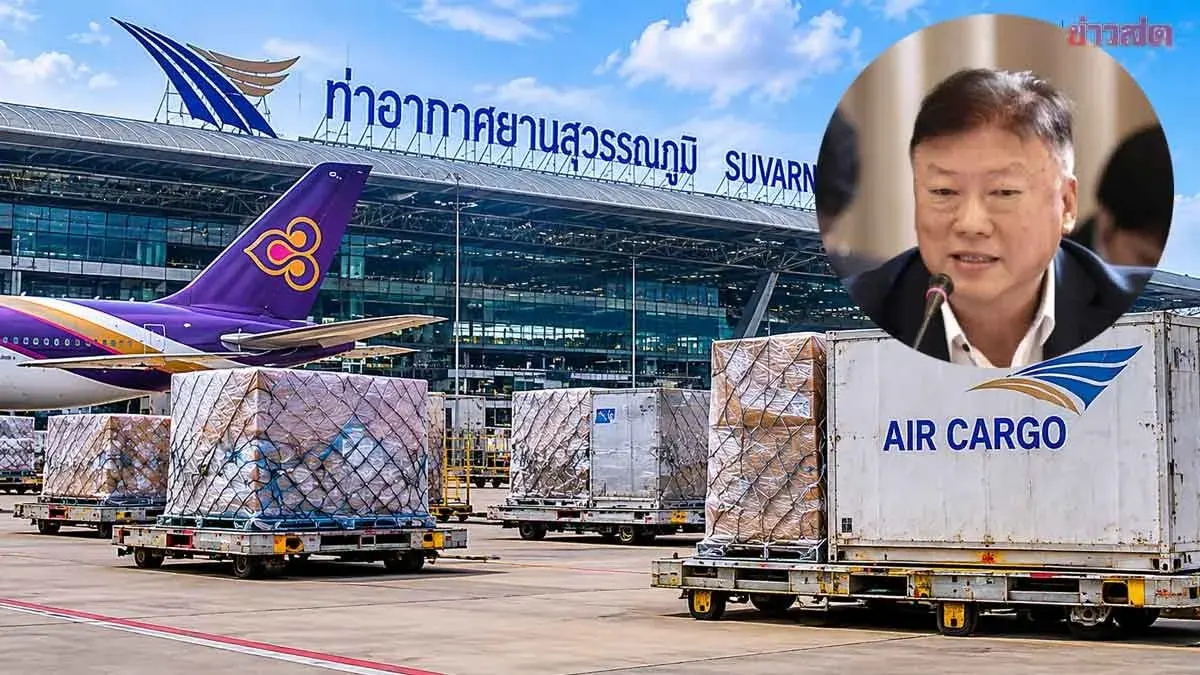
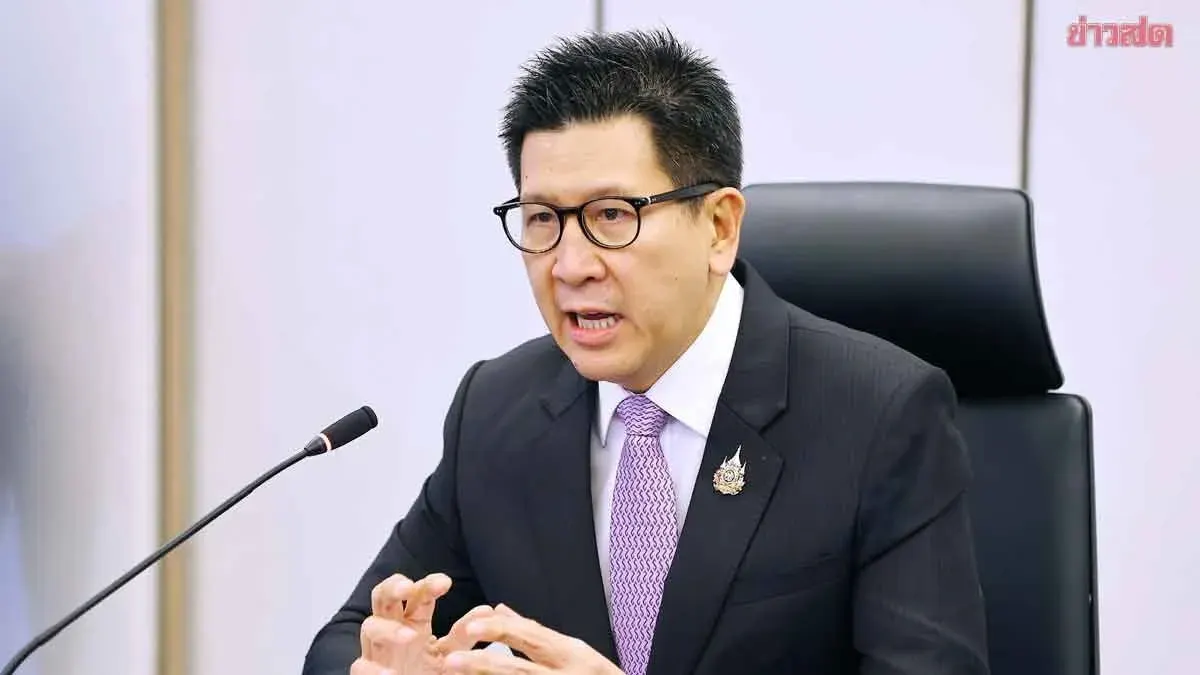
The Thai National Shippers Council (TNSC) is pressing the Transport Ministry, Airports of Thailand (AOT), and THAI Cargo to urgently escalate efforts to resolve the gridlock at Suvarnabhumi Airport's cargo warehouse, warning that the crisis is fracturing supply chains and threatening fourth-quarter exports. TNSC Chairman Thanakorn Kasetsuwan expressed deep concern over ongoing congestion and clearance delays at the airport's cargo terminal. Despite preliminary coordination among all parties, bottlenecks have not eased significantly, dealing a broad blow to the nation's production and export supply chains.
Thanakorn revealed that monitoring with TNSC members has identified three critical crisis-level impacts: first, massive accumulations of imported goods and raw materials remain stuck in the system because warehouse location tracking is still faulty, preventing timely retrieval. Second, the supply chain is fracturing as factories face raw material shortages, forcing production line slowdowns or stoppages and sharply raising the risk of missed delivery deadlines for overseas buyers. Third, hidden costs for the private sector are soaring as businesses absorb overtime labor and transport charges, while also facing penalties for late delivery or contract cancellations by domestic and foreign partners.
TNSC proposed urgent measures at three levels:
To THAI Cargo warehouse operations: mobilize manpower and enhance scanning systems to accurately locate backlogged goods; separate old backlogged stock from new arrivals to accelerate clearance, potentially requesting Royal Thai Air Force or other personnel assistance until all backlogs are cleared; upgrade IT systems for real-time cargo status tracking so freight forwarders and consignees know exact locations before arriving, reducing wait times; ensure warehouse staffing matches 24/7 cargo volumes and expand communication channels (phone, email, online) to meet current demand.
To AOT: allocate vacant space or warehouses within Suvarnabhumi for THAI Cargo to use as temporary sorting areas to decongest the main terminal and protect goods from heat and rain damage caused by outdoor stacking; improve traffic management with dedicated fast lanes and priority queuing for trucks ready to collect cleared goods, preventing them from idling in general queues.
Policy recommendations to the Transport Ministry, Civil Aviation Authority of Thailand (CAAT), Customs Department, and other relevant agencies: request Customs and related state agencies to provide sufficient inspection personnel to support clearance operations.