Southern Health Officials Tour Buriram Drug Treatment Model
Health officials from five southern provinces visited a drug treatment program in Buriram to study a comprehensive rehabilitation model that includes behavioral therapy and job training, with plans to replicate it nationwide.
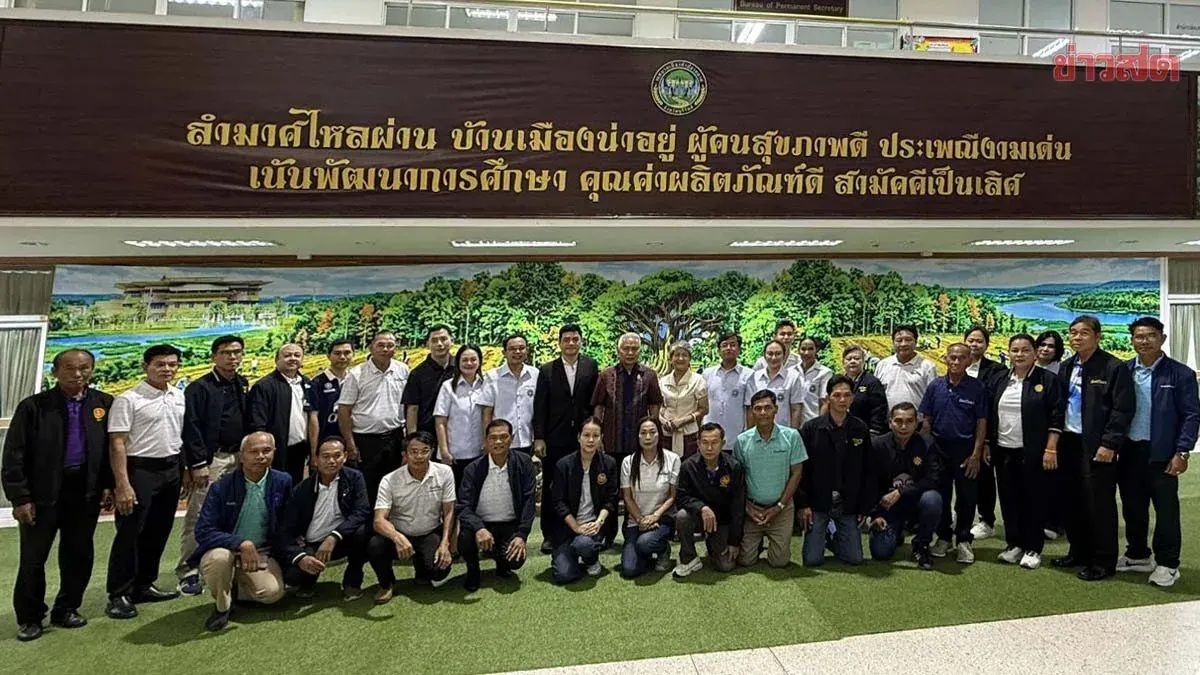
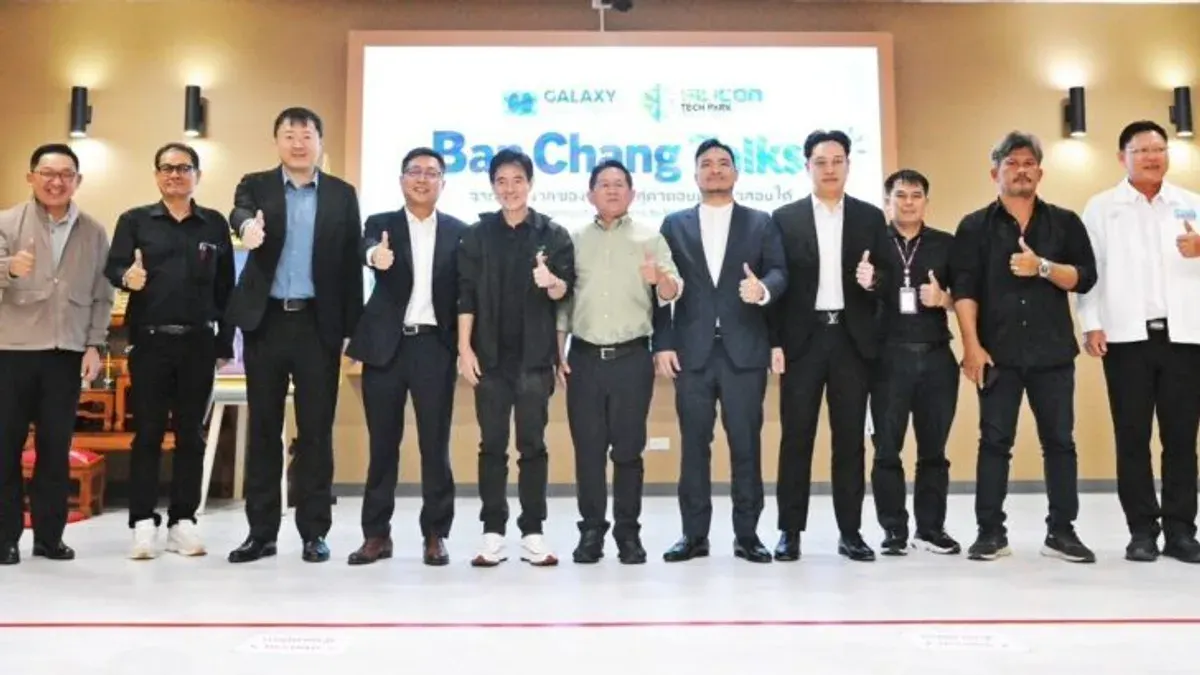
On September 25, Sopon Saramyut, President of Parliament, welcomed and delivered remarks to over 80 public health officials from five southern provinces—Pattani, Yala, Narathiwat, Satun, and Songkhla—who visited Lamplaimat District in Buriram to study a comprehensive drug addiction treatment program.
The program covers rehabilitation, behavioral change, and vocational skill development before people return to society, enabling them to live quality lives and avoid relapse into drug use. It also serves as a model for implementing the government's one-district, one-treatment-center policy. After studying several locations, officials selected Buriram to observe the work.
Sopon said the visiting group consists of provincial health officials and hospital directors studying drug treatment under the "United Strength, Sacred Faith: Integrated Drug Problem Solutions" project in Lamplaimat District and five other districts—Nong Hong, Khue Mueang, Phuthai Song, Na Phon, and Ban Mai Chai Phot—which have been piloting the model for over two years.
The project is considered a success model because it operates comprehensively end-to-end, serving as a national template. Treatment participants include children as young as 13 or 14 whose addiction stems from family breakdown and parental divorce, requiring systemic solutions.
Sopon added that Parliament is preparing comprehensive drug legislation to present in the current session, as drug addiction is a critical problem. He noted that legislators from many areas bring the issue to Parliament for discussion almost daily.
Dr. Anurak Saraphap, Pattani Provincial Public Health Officer, stated that while many drug treatment models exist, it remains unclear which approaches truly succeed until seeing them firsthand. After visiting Lamplaimat, he observed genuine commitment from leadership, including the Parliament President's desire to protect youth from drugs through treatment and job promotion. Some graduates have even passed civil service exams.
"Seeing the Lamplaimat approach gives me confidence we can apply this model directly, because it is true integration, not just paperwork," Dr. Anurak said. "As for budget, I am confident there is no issue—it depends only on whether each province commits to implementing it."