Surin Islands Park Shows Richelieu Rock Dive Site Before Oct 15 Opening
Surin Islands National Park has released images of the Richelieu Rock dive site, confirming its healthy coral reefs and abundant marine life ahead of the October 15 tourism opening. Officials inspected the site, located 14 km east of the islands, and found vibrant soft corals and rare species such as whale sharks and manta rays. The park urged visitors to practice responsible diving to protect the underwater environment.
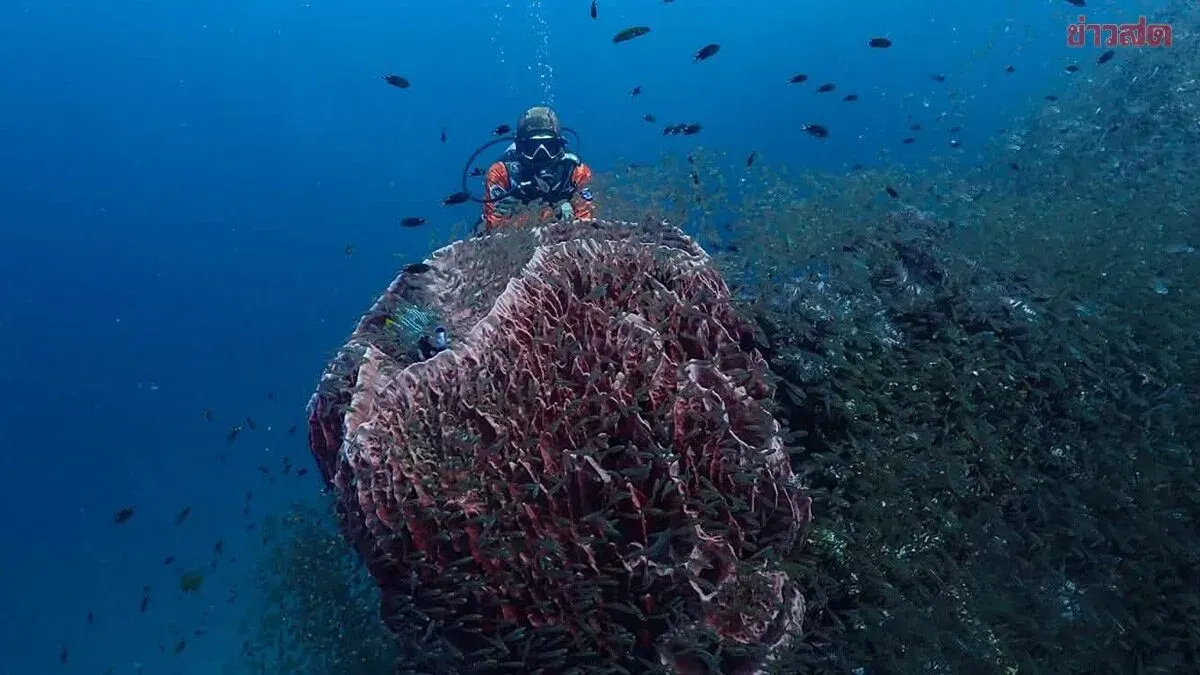
Surin Islands National Park released stunning images of the Richelieu Rock dive site, highlighting its rich coral reefs and diverse marine life as it prepares to open the tourism season on October 15. On October 9, 2026, Surin Islands National Park in Phang Nga Province, under the Office of Conservation Area Management 5 (Nakhon Si Thammarat) of the Department of National Parks, Wildlife and Plant Conservation, unveiled the beauty of the Richelieu Rock dive site in the Surin Islands, renowned for its abundant coral reefs and myriad marine organisms, earning it acclaim as a diver’s paradise worldwide. The pristine underwater nature and high biodiversity continue to attract large numbers of tourists each year who come to experience and admire the wonders of the sea.
The park has been preparing for the 2026 tourism season. Diving officers from Surin Islands National Park conducted a readiness assessment at Richelieu Rock, an underwater mountain located roughly 14 kilometers east of the islands, which is regarded as a world‑class deep‑dive site. Surveys were carried out at depths of approximately 7 to 26 meters to check marine conditions, levels of lingering debris, and the stability of mooring buoy ropes. Findings showed the ecosystem remains highly intact, covered with colorful soft corals and serving as a habitat for rare marine creatures such as whale sharks, manta rays, and sea turtles. The tourism season is set to commence on October 15, 2026.
Maintaining the beauty and balance of the marine ecosystem sustainably requires cooperation from all tourists to strictly follow national park regulations, especially responsible diving—avoiding touching, grabbing, or stepping on corals, disturbing marine life, or littering in the sea—to jointly protect the home of marine life and preserve this valuable underwater scenery for the future.