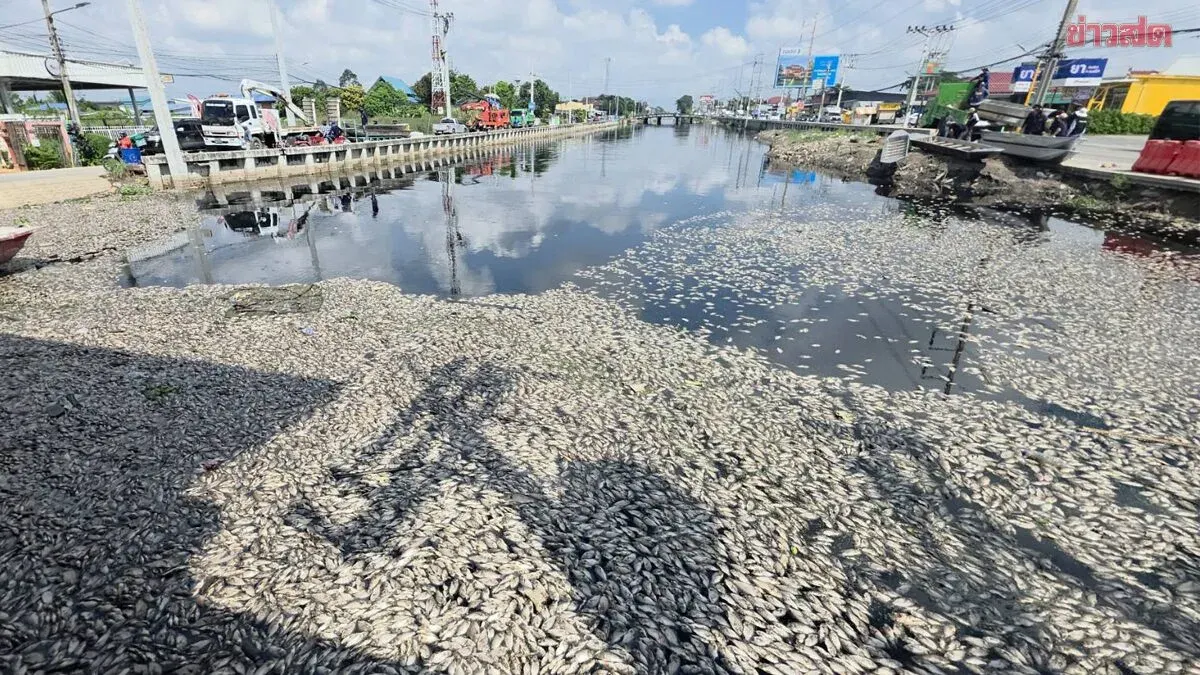
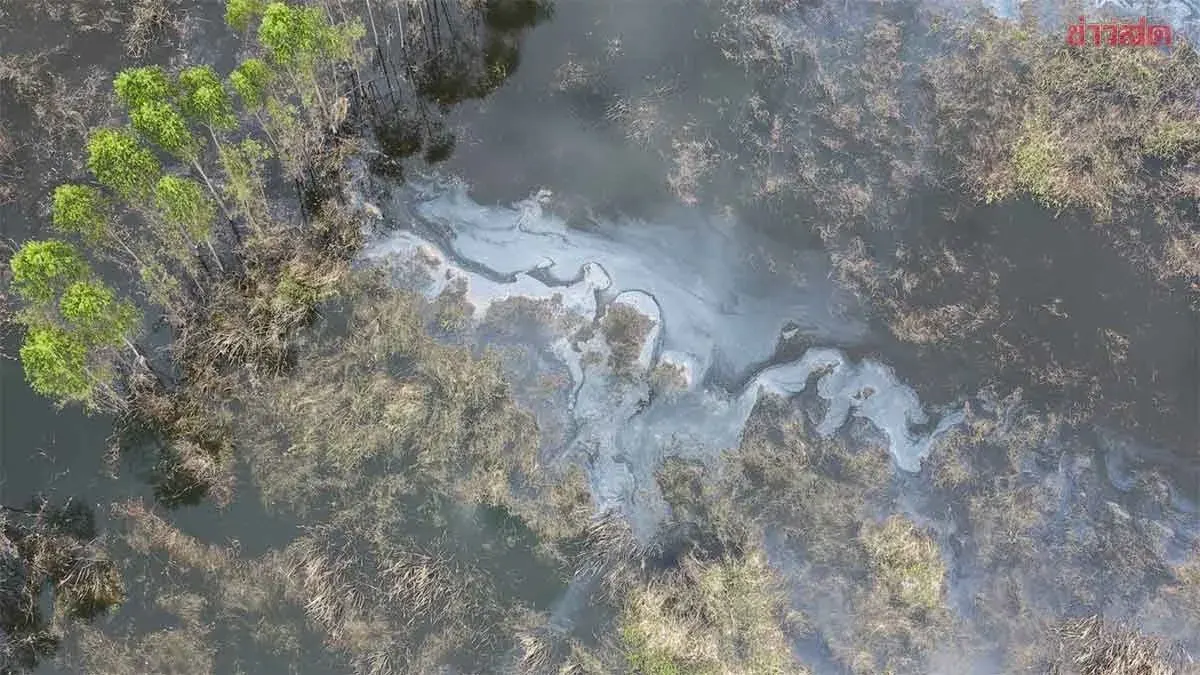
Two rocks off Koh Lanta rank among Thailand's best dives, and the national park shuts them for six months a year
Hin Daeng and Hin Muang, Red Rock and Purple Rock, lie about 80 to 90 minutes by boat from Koh Lanta inside Mu Ko Lanta National Park, which closes them from 16 May to 15 November. Operators quote depths from 5 to 70 metres and disagree on the manta and whale shark season.
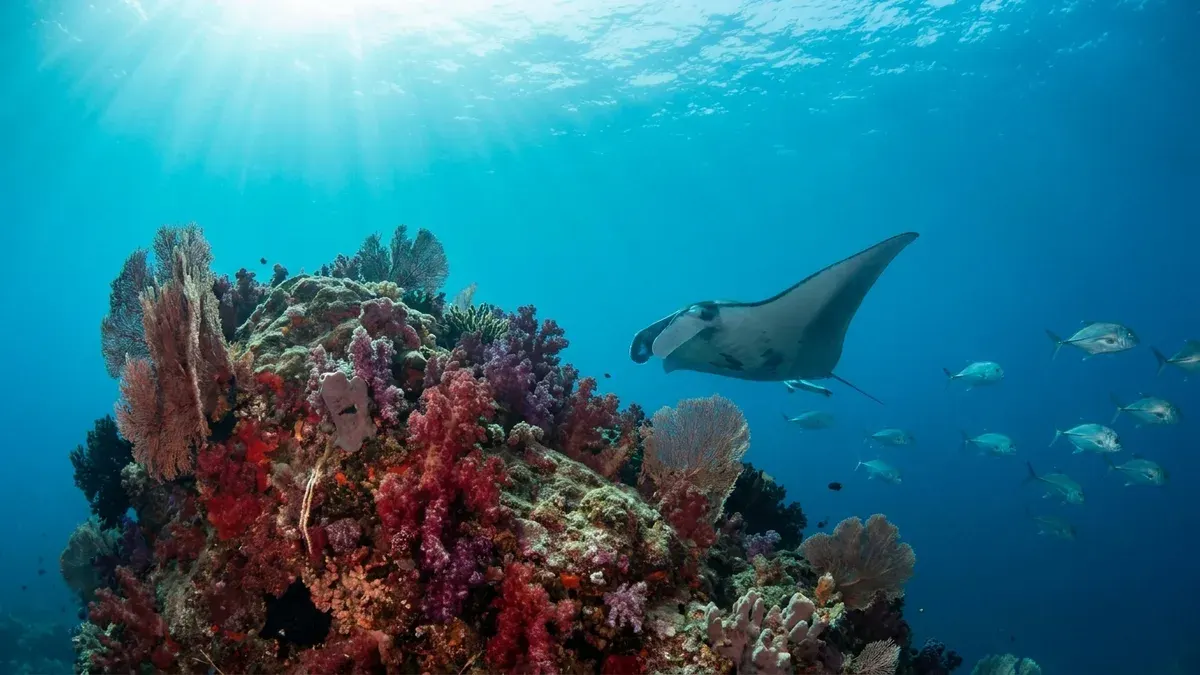
Photo: Illustration generated for Lanta News
Two rocks 80 to 90 minutes by boat from Koh Lanta are on the short list of the best dive sites in Thailand, and for six months of every year nobody is allowed to dive them.
They are called Hin Daeng and Hin Muang, Red Rock and Purple Rock, and they sit inside Mu Ko Lanta National Park. The park's own page, from the Department of National Parks, says the park closes to tourism every year from 16 May to 15 November, and names these two rocks and the Ko Rok islands as the places that closure applies to. They reopen on 16 November, about a month from now.
Two rocks, five hundred metres apart
The names are literal. Hin Daeng is Red Rock, named for the red soft coral and sea fans that cover it. Hin Muang is Purple Rock, for the purple. Dive operators put them roughly 500 metres from each other.
Neither is an island with a beach. They are the tops of rock pinnacles that rise from deep water, so most of what makes them famous is underneath. Snorkelling is not possible at either: operators are consistent on that.
How deep
This is where the sources stop agreeing, so here is the range rather than one tidy number.
Hin Daeng is quoted by operators at 5 to 45 metres, and others give 3 to 50. Hin Muang is quoted at 8 to 70 metres, with the top of the ridge about 10 metres down and walls that drop away beyond 60. One operator calls Hin Muang the highest submerged vertical wall in Thailand. We cannot confirm that, and the park page gives no depths at all, so treat every figure here as an operator's description.
Who they are for
Experienced divers. Operators describe the current as moderate to strong, and say it is hardest around the full and new moons. Visibility is usually quoted at 10 to 30 metres. One operator's certification table is unclear about which level of diver each site suits, so ask the boat you book with rather than assume.
The park says only boats offering deep diving run to these two sites, and that you can hire one from Ban Sala Dan on Koh Lanta or from Hat Pak Meng in Trang province.
What people go to see
Big animals, which is also the thing nobody can promise. The same current that makes the dives demanding carries plankton past the rocks, and that is what operators say draws manta rays and whale sharks.
Timing is where operators disagree. One dive operator says whale sharks can be seen all year but the season is usually high from early February to late April. PADI puts the peak for both mantas and whale sharks at February to April. Others say December to April, and one says mantas are regularly found in December and January while whale sharks appear less often than mantas. Every source is clear that neither animal is a regular sight.
The rocks themselves are full of smaller animals: operators list reef sharks, great barracuda, trevally, moray eels, clownfish, ghost pipefish, nudibranchs and harlequin prawns among them.
What we could not establish
Which province's waters the two rocks sit in. The park page names the park's headquarters in Ko Lanta district, Krabi, and gives no location for the rocks themselves, and the sources we found disagree on whether to place them with Krabi or Trang. We also found no official depth figure, so every number above comes from dive operators, who have a reason to describe their best sites well.
If you plan to go, check the park's opening date and the state of the sea with the operator close to the day. The southwest monsoon is the reason for the closure, and it does not always end on the calendar date.