Wild Elephant Dies From Electric Shock in Rice Field
A wild bull elephant from Phu Luang Wildlife Sanctuary was found dead in a rice field outside the sanctuary, with autopsy results indicating death by electric shock from an illegal fence. Minister Sukchai Chomgling has ordered a criminal investigation and urged locals to stop using electric fences to deter wildlife. Officials have filed charges under the Wildlife Preservation and Protection Act and arranged a ceremonial burial of the carcass.
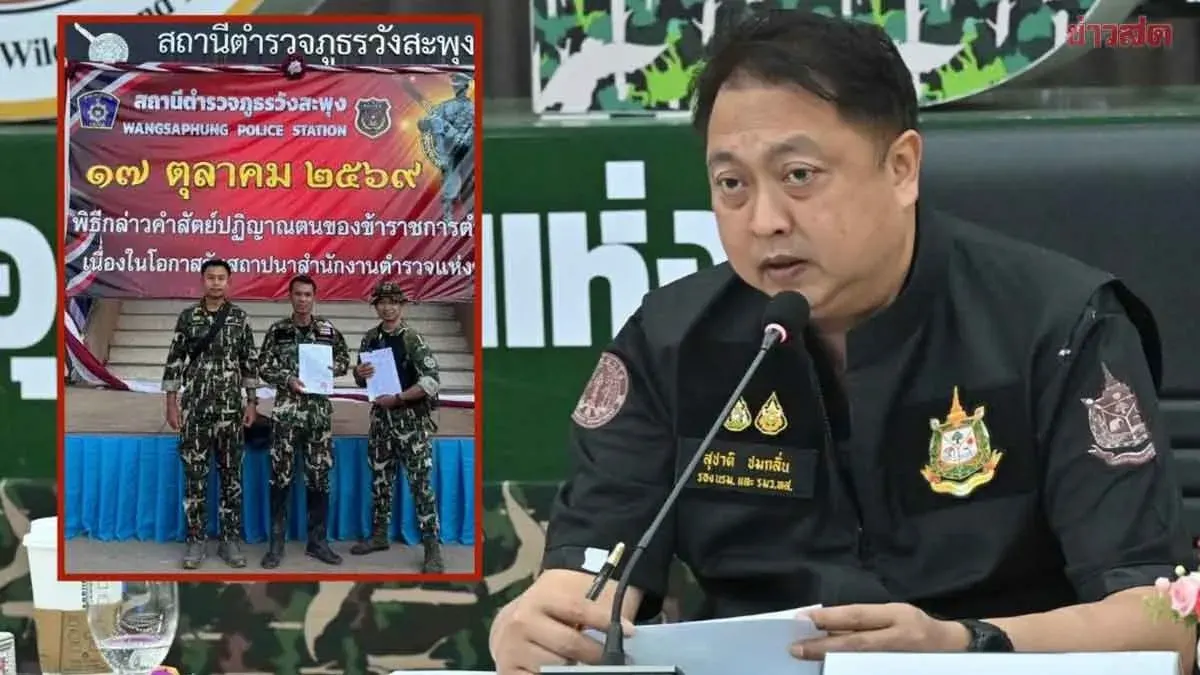
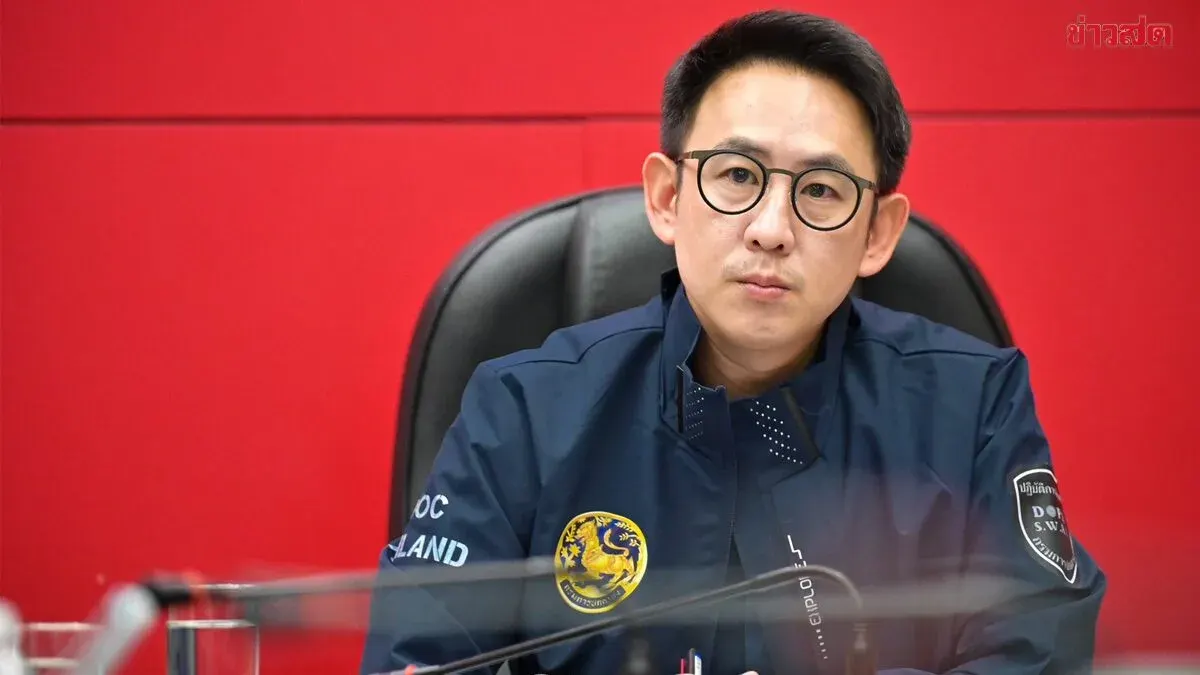
On 16 October 2069, Minister of Natural Resources and Environment Sukchai Chomgling said that the discovery of a male wild elephant's carcass in a villager's rice field outside Phu Luang Wildlife Sanctuary had deeply concerned him. He directed the Department of National Parks, Wildlife and Plant Conservation, together with relevant agencies, to swiftly investigate the cause and prosecute anyone responsible for releasing electricity that killed the elephant. He also urged residents and farmers near the forest boundary to avoid using electric fences to deter wildlife, noting the high risk of harm to both animals and people, and stressed that such action is illegal.
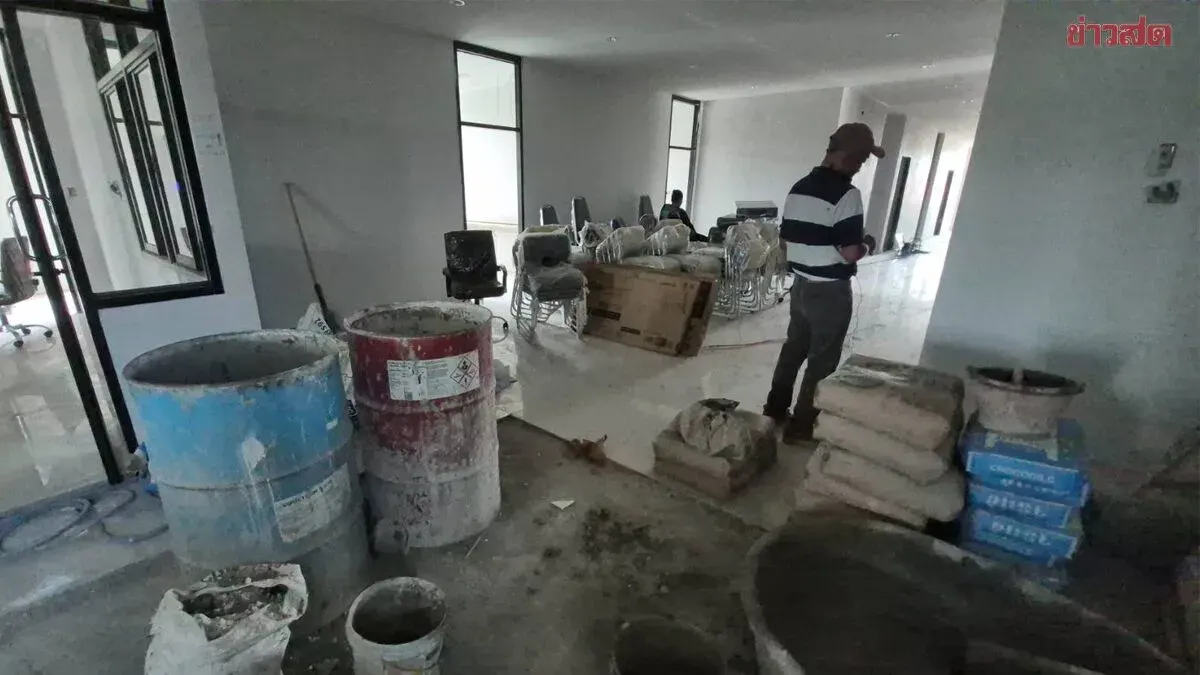
Park Director Yongyuth Nakawirot said he received a report from Wanchan Simmaseang, chief of Phu Luang Wildlife Sanctuary, that a conservation team from the Protected Areas Office Region 8 (Khon Kaen) and a veterinary team led by Dr. Nantita Raksachat, a senior veterinarian, and Dr. Areeya Pomkhok, together with local administrators and Wang Saphung police, had examined the carcass. The team found the adult bull elephant, aged about 11–15 years and weighing roughly 2.5 tonnes, lying on its right side in about 30 cm of flood‑water in a rice field at Ban Yang Dio, Moo 10, Huai Luang subdistrict, Wang Saphung district, Loei province, outside the sanctuary. The elephant’s trunk was coiled around an electric fence wire, rice stalks remained in its mouth, and there were burn marks on the trunk and left forefoot, blistered skin above the eyes and under the throat. Internal organs showed heat damage, with hemorrhages in the heart muscle and gastrointestinal tract, a pale spleen, congested lungs, and subcutaneous and intramuscular bleeding.
Veterinarians preliminarily diagnosed sudden heart and respiratory failure caused by electric shock. Tissue samples (heart muscle, spleen, lung) were sent for histopathological analysis and tail hair for DNA testing. After the post‑mortem, officials filed a complaint with Wang Saphung police under the Wildlife Preservation and Protection Act of 2022 and related laws. Following the procedure, monks were invited to perform a religious rite before the carcass was covered with lime and buried according to academic protocol.