Nearly half of gold investors expect prices to rise this week amid monitoring of Federal Reserve policy, U.S. inflation data, and escalating Middle East tensions that could boost safe-haven demand.
The Gold Research Center released results from its GRC Gold Survey on gold price direction for July 13-17, 2026. Among 13 market experts surveyed, 6 (46%) expect prices to move similarly to the previous week, while 4 (31%) predict a price increase and 3 (23%) forecast a decline. In a separate survey of 319 gold investors, 155 (49%) expect domestic gold prices to rise next week, 103 (32%) expect a decline, and 61 (19%) anticipate movement similar to the previous week.
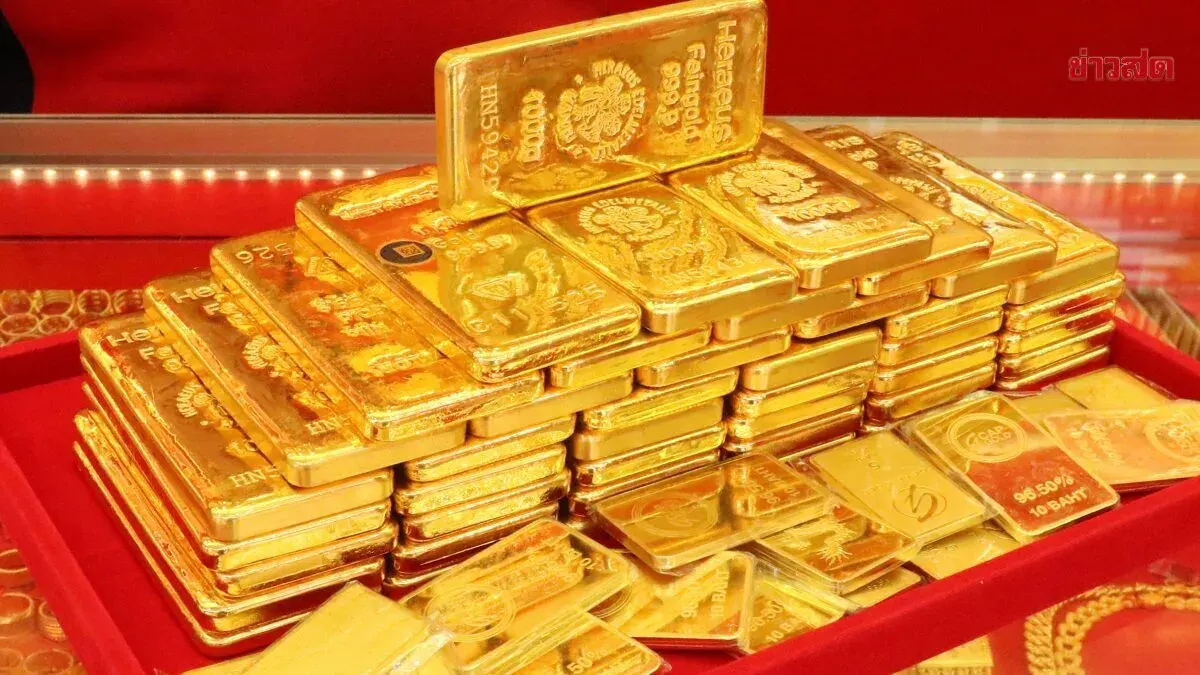
During the past week, 96.5% gold bars traded between 64,250-65,750 baht per baht-weight, closing at 65,000 baht—down 550 baht from the prior week's close of 65,550 baht. The research center identified key factors to monitor this week, including the Federal Reserve's monetary policy direction following its June 16-17 meeting minutes, which showed continued concern about inflation risks, particularly from elevated energy prices. Markets expect the Fed may raise interest rates at least once more this year.
Investors are also tracking U.S. inflation figures and statements from Fed Chair Powell to assess monetary policy direction. Another concern is escalating U.S.-Iran tensions, which could threaten Middle East stability and impact global oil supply. Prolonged conflict could push oil prices and inflation higher, increasing demand for gold as a safe-haven asset.
Markets await key U.S. economic data including Consumer Price Index (CPI), Producer Price Index (PPI), Federal Reserve manufacturing surveys, Philadelphia Fed business outlook, preliminary consumer confidence, the Beige Book economic summary, and weekly jobless claims—all critical factors for gold price movement ahead.
Pattarin Wachirakanpan, Chief Operating Officer of Leng Hongsa Commodities, noted the gold market between July 13-17 remains in a "stuffy" state as investors track Middle East tensions. Although ceasefire negotiations occur periodically, their success remains unclear. However, markets are becoming more accustomed to war-related factors as the situation drags on.