Thai Airways Slashes Flights 40% to Clear 5,600 Bags in 72 Hours
Thai Airways cut flights by over 30 daily from Bangkok due to flooding-related staff shortages, deploying military personnel to help clear 5,600 stranded bags within 72 hours and restore operations.
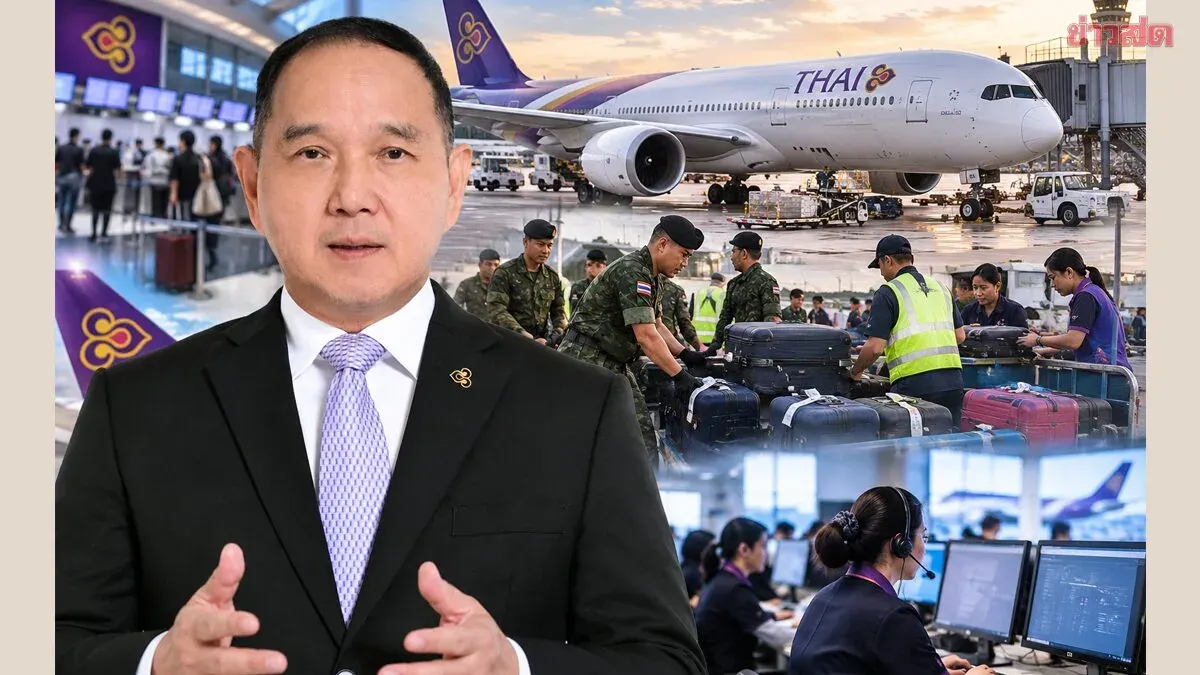
Chai Eamsiri, Chief Executive Officer of Thai Airways Public Company Limited, acknowledged that flights over the past two days have been nearly 100 percent disrupted by staffing shortages, particularly specialized workers. The airline is urgently reducing flight capacity by more than 30 flights daily from Bangkok and mobilizing military personnel, back-office staff, and external contractors to clear over 5,600 stranded bags within 72 hours and reset operations.
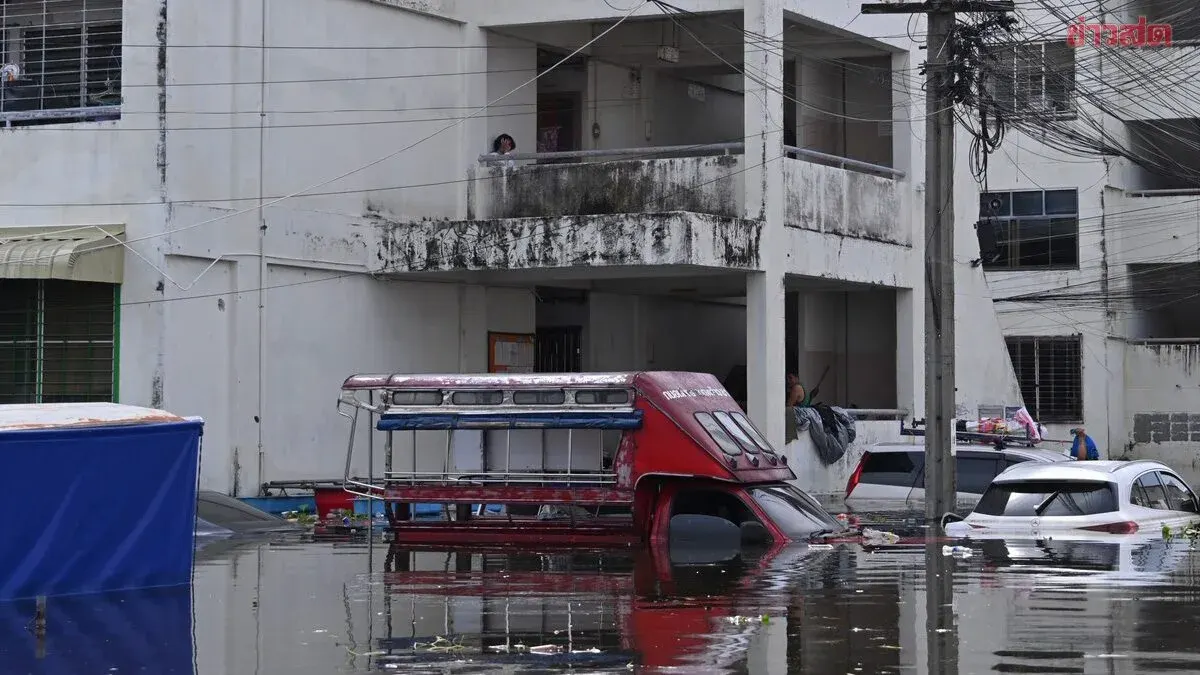
At 11:30 a.m. on September 29, 2025, at Suvarnabhumi Airport, Chai Eamsiri, President and Chief Executive Officer of Thai Airways Public Company Limited, held a press briefing updating the situation on flights and stranded baggage. He acknowledged the impact of recent flooding in Bangkok and surrounding areas over the past three days and apologized to affected passengers and customers. He also admitted that the impact on Thai Airways operations was greater than initially assessed, particularly due to workforce issues preventing staff from reaching work.
Chai stated that prior to the incident, management had held meetings and prepared contingency plans for the flooding impact, including readying personnel as anticipated. However, the affected workforce comprised two groups: general laborers and specialized workers with specific qualifications or licenses, most of whom live in areas around the airport and were severely impacted by the flooding, unable to travel to work.
"This situation is bigger than we predicted. We didn't expect external workers to be this severely affected," Chai said.
For emergency response measures, Thai Airways coordinated with the Royal Thai Air Force and the Ministry of Defence, deploying GMC vehicles to collect specialized and licensed workers from their homes and bring them to work. General laborers received support from military and relevant agencies.
Chai noted that the critical challenge was not merely the number of general laborers but specialized workers who cannot be easily replaced, such as loadmasters or baggage handlers who supervise cargo loading near aircraft. The airline normally requires about 45 such personnel but currently has only about 20 available.
"Without people to move cargo, cargo doesn't come. Workers are idle with nothing to handle. We need people to move cargo and start engines," Chai said, adding that management with licenses must also work on the tarmac to oversee operations.
Regarding flight reductions and operations reset, Chai stated that over the past two days, Thai Airways flights have been delayed nearly 100 percent, with on-time performance below 30 percent of initial estimates. He acknowledged that current production capacity cannot operate normally.
Starting last night, the airline ordered a reduction in capacity through combined flights, cancellations, and passenger transfers to other airlines, enabling remaining services to operate more efficiently. From approximately 110 flights daily departing Bangkok, Thai Airways is targeting a reduction of about 30 flights, or approximately 30 to 40 percent of production capacity, to "re-ramp" operations and improve punctuality for remaining flights.
"We must accept reality by reducing our own capacity so that current flights survive and run more on time," Chai said.
Additionally, for ground and ramp services, Thai Airways decided to engage other contractors to share the workload, particularly for servicing customer airlines that Thai Airways normally handles, as current capacity is insufficient.