Thai Men's Takraw Rebounds to Win Asian Games Gold
Thailand's men's singles takraw team rebounded from losing team competition silver to Malaysia by claiming gold at the 2026 Asian Games, with coach Kamoln Tankimhong crediting mental adjustment and athlete fitness as decisive factors.
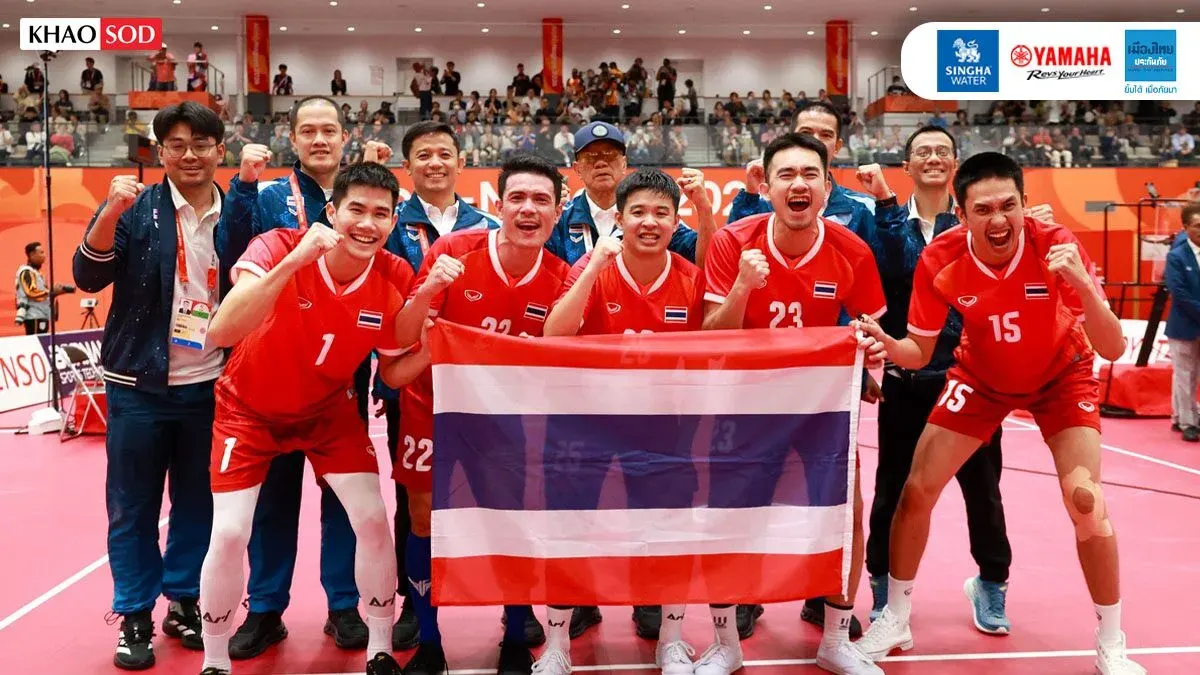
Team manager Kamoln Tankimhong revealed how Thailand's men's singles takraw team bounced back into peak form to claim their seventh Asian Games 2026 gold medal, after the men's team competition lost to Malaysia 0-2 and settled for silver, ending a 28-year seven-title reign. The singles team then defeated Malaysia 2-0 sets to reclaim gold for the seventh time.
After the match, Kamoln said that during training, the focus was on who could perform best. Malaysia had reached their peak the previous day, but Thailand adjusted their mental state, controlled the opening set without giving up points, and prevented Malaysia from taking the lead. He believed all athletes played at full capacity and showed dedication. He thanked them for their commitment and for keeping the singles gold medal.
When asked whether he believed Thai takraw was superior to Malaysia's, Kamoln replied: "I view athlete readiness and fitness as crucial. Thai athletes need proper care from physiotherapists, doctors, and technical support. Right now we're at the same level. Whoever is more ready and complete will win. I believe it comes down to that."
Kamoln stated that after the team competition, all Thai athletes said they had to get revenge—and they did. The key was having them train after recovery. The Thai team had only just become complete and not at 100 percent, having trained for just one month following injuries from the Kings Cup. Forming a team is difficult. The priority is athlete welfare, especially when other nations are fully prepared.
"We have facilities and training grounds, but if we don't have athletes to train, we don't know how to develop them. This is something I'm taking back as a recommendation and plan," Kamoln said. He noted that in this match, athletes played only 2-3 points before needing breaks. While the results are good, physical condition needs monitoring.
When asked what message he had for takraw fans, Kamoln said: "In takraw, we used to believe that if we were complete and ready, we would win. Today I saw that our opponents are complete too. So from now on, we must approach the sport scientifically and artfully when cheering, because we cannot think we will win automatically. That puts pressure on the athletes."