Thai Amulet Guide Highlights Historic Sacred Coins
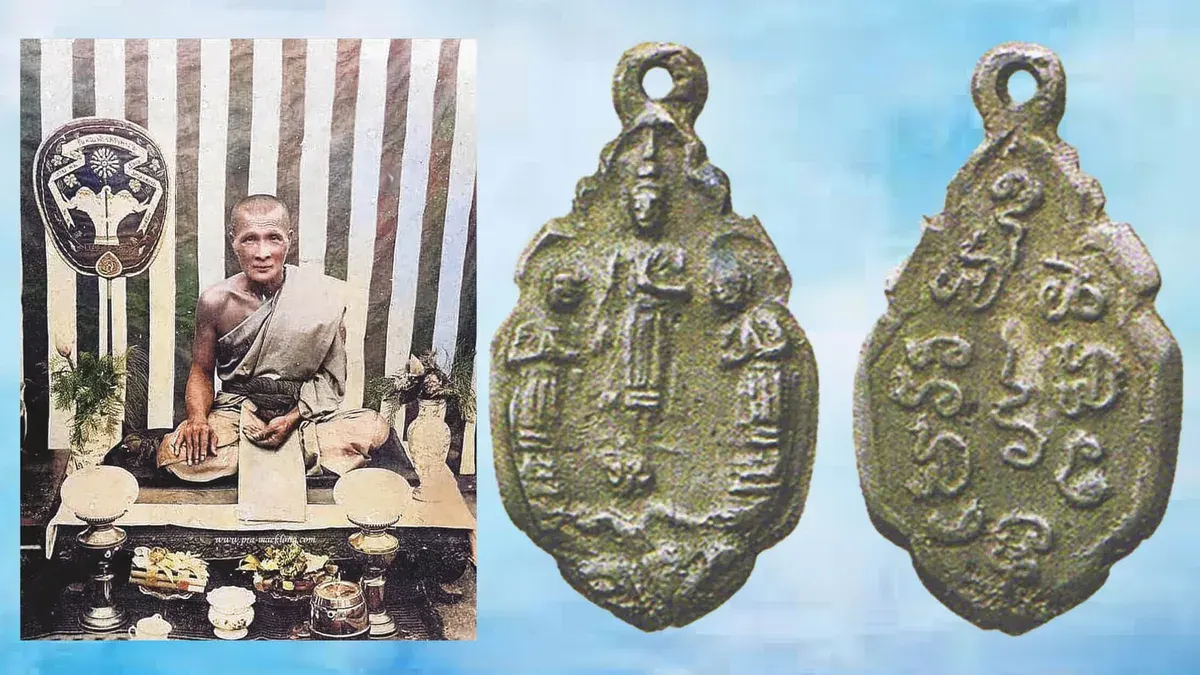
A Thai amulet expert profiles four historic Buddhist coins: the Maha Prab Luang Pu Suk from Chai Nat (2012), the Chao Khun Nor amulet linked to King Vajiravudh's royal page (1967), the Luang Pu Chum coin from Ratchaburi (1920), and the rare Luang Pu Doem short-neck bronze edition limited to 1,000 pieces. Each amulet's design, materials, and significance among collectors are detailed.
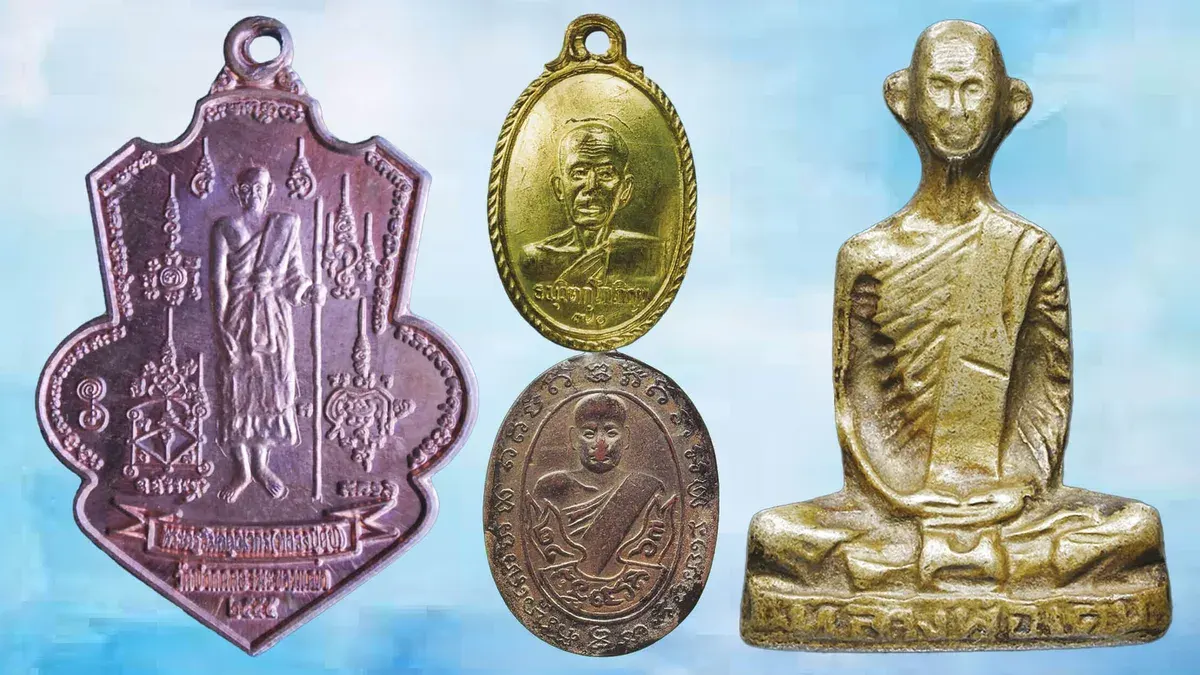
The article also profiles the Chao Khun Nor amulet. Phra Thammavithakko, also known as Phra Yanaratanarajamanit, respectfully called Chao Khun Nor by amulet collectors, was a royal page to King Vajiravudh. After the king passed away, he ordained for life as a royal merit. The first edition of his likeness amulet was created in 1967 (BE 2510) for his 70th birthday celebration. The turtle-back shaped amulet with ears features a half-body portrait facing forward with distinct cat-whisker lines in the ears, clear eyes, and cutting marks on the edge. Below the portrait reads Thammavithakko Bhikkhu 70. The reverse has no border, displaying a clear yantra in two variants: movable block and fixed block. Today, this first edition is highly sought after by collectors.
The Luang Pu Chum amulet originates from Luang Pu Chum Chanthachot, former first abbot of Wat Uthumphon Tharam (Wat Tha Madeua) in Suan Kluay, Ban Pong, Ratchaburi. A monk of profound Buddhist knowledge and legendary exorcist, his first amulet edition was created in 1920 (BE 2463) in an egg shape. The obverse shows a half-body portrait of Luang Pu Chum within two concentric circles, the inner lower circle decorated with a stupa and marked BE 2463. The obverse border bears Khom script encircling the design, with a suspension loop at top. The reverse is inscribed with script, the lower portion reading kept as a memento. This amulet gained wide recognition and popularity among collectors and Ratchaburi locals.
Finally, the Luang Pu Doem Pum Short Neck amulet. Luang Pu Doem Buddhasaro, a renowned central-region monk, created this full-body seated meditation image on a tiered base. Naturalistic features include a large head and torso, thick neck with two distinct ridges connecting to the chin, giving the face a prominent appearance. The defining characteristic is the short neck, source of the edition name. The base bears Thai script Luang Pu Doem. Two sub-varieties exist: short-tailed ngo character (close-robed) and long-tailed ngo (spaced robes). The reverse and lower robe areas show decorative punch marks, including at the elbows.