Thai Durian Prices Plunge as China Slows Imports
Southern Thailand's durian harvest surged 30% to 752,000 tons in 2025, but prices have plummeted due to China's reduced imports, quality issues with underripe fruit, and competition from other Thai regions. The Commerce Ministry is launchin
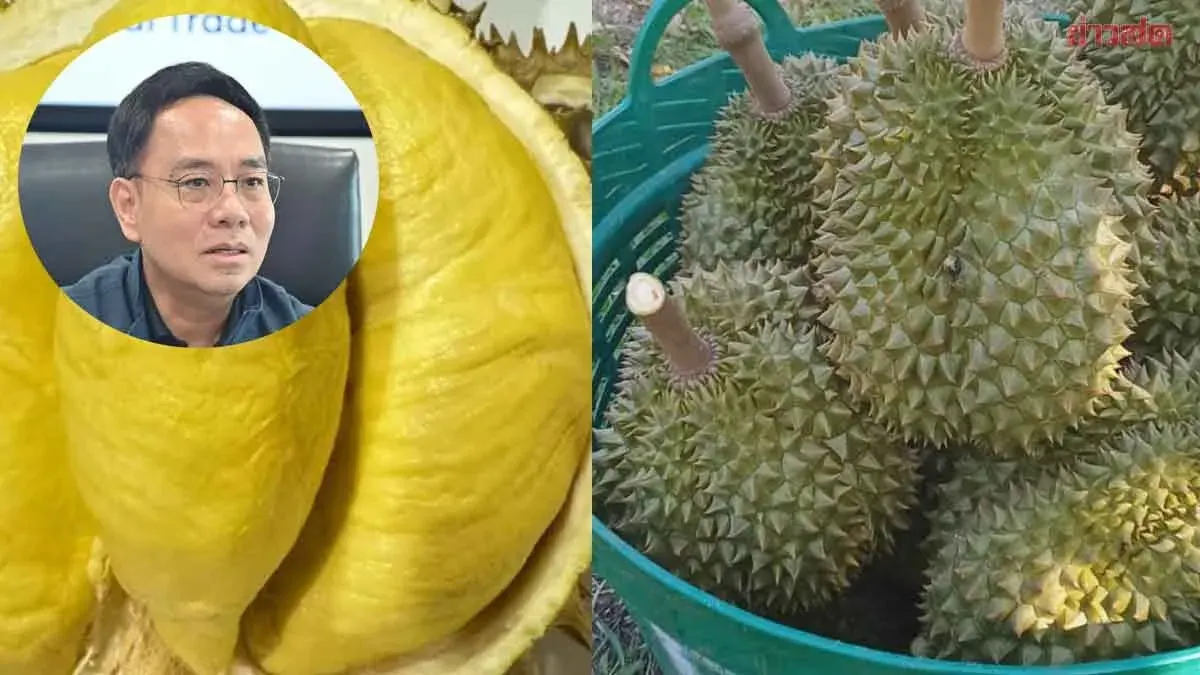
Witthayakorn Maninetr, director-general of the Internal Trade Department, revealed that southern Thailand's 2025 durian harvest reached approximately 752,000 tons, a 30% increase from the previous year. Currently, about 35% or 260,000 tons have reached market, leaving 490,000 tons to be managed in coming months.
Southern durian prices have fallen due to multiple factors: China's market slowdown, increased domestic fruit availability in China, competition from rival exporters, and durian shipments from other Thai growing regions like Uttaradit, Sisaket, and Nakhon Ratchasima. A critical issue is quality: some batches shipped to China proved underripe, causing Chinese buyers to pause orders. The ministry emphasizes quality control from orchard to export, particularly the starch content standard of 32%, noting that fruit harvested at 34-36% starch reaches consumers in better condition and commands higher prices. Major production areas in the south include Chumphon, Nakhon Si Thammarat, and Yala, with Chumphon alone producing over 300,000 tons.
The Commerce Ministry plans to manage and absorb approximately 300,000 tons of southern fruit including durian, mangosteen, rambutan, and longkong. Previous forward-purchase contracts covered over 3,700 tons, with live-commerce and promotional activities targeting 9,000 tons. Distribution will extend through fresh markets, wholesale centers, modern retail chains, and local shops nationwide, aiming to move over 200,000 tons. The ministry coordinated with Talad Morakot, a major wholesale market, to encourage mid-size and small retailers to buy durian directly.
For lower-quality fruit damaged by heavy rain, poor care, or surface defects, the ministry partnered with large cold-storage facilities and processing plants to absorb at least 15,000 tons of whole fruit or 5,000 tons of pulp. Externally blemished but internally sound durian will be promoted for consumption and processing, encouraging consumers to prioritize internal quality over appearance. The ministry is also organizing promotional events for southern durian targeting tourists and buyers from the Middle East and Central Asia, with visits planned to Surat Thani and Nakhon Si Thammarat provinces for product trials.