Thai Garment Industry Unfazed by U.S. Tariffs, Urged to Expand FTA Markets
Thai garment makers say they can absorb new U.S. tariffs if competitors face similar duties, but should diversify exports to Japan and EU markets where free trade deals offer access to over 450 million consumers.
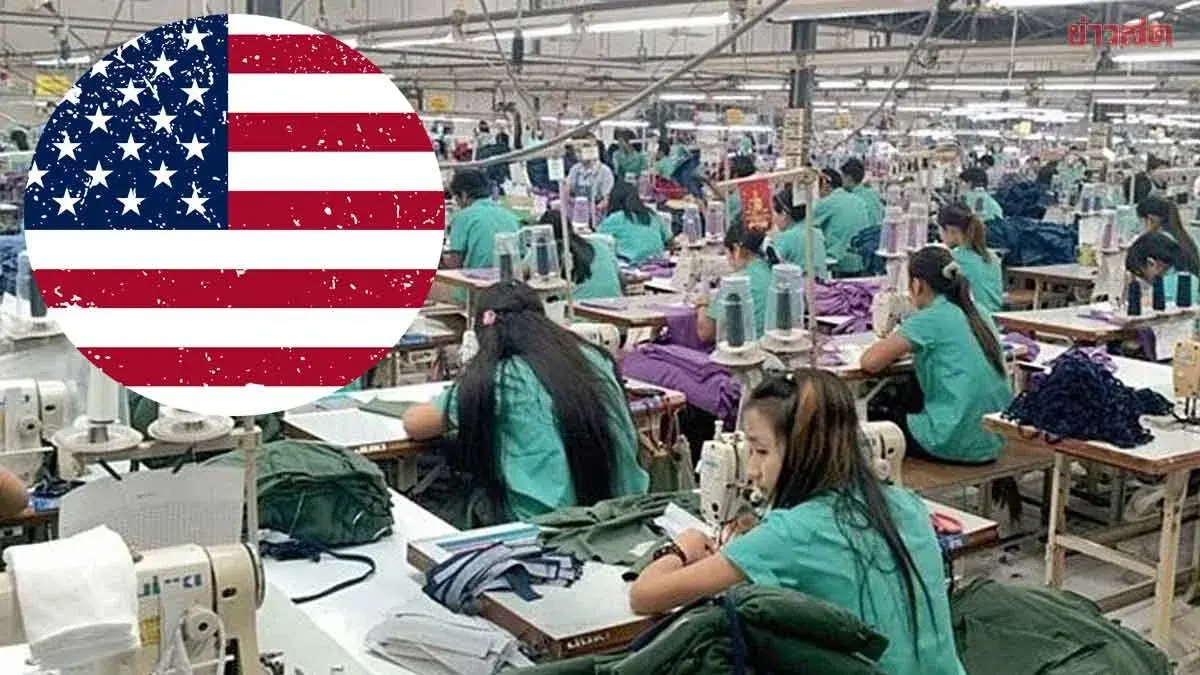
Thailand's garment industry leadership expressed confidence in weathering new U.S. tariffs announced under Section 301, which impose a 12.5% duty on Thai and 37 other countries' exports. Chalumpol Lotarakchapong, chairman of the Thai Garment Manufacturers Association, said the U.S. government's intent to reduce its trade deficit through tariffs is clear and will likely persist. However, he noted that the critical factor for Thai competitiveness is not the absolute tariff rate but how it compares to rival nations; as long as competitors face similar duties, Thai exporters can remain competitive.
With the U.S. accounting for 39% of Thailand's garment exports but 61% of sales going to other global markets, industry officials urged manufacturers to maintain American business while aggressively pursuing opportunities in free trade agreement partners, particularly Japan under the Thailand-Japan Economic Partnership Agreement (JTEPA). Lotarakchapong advised manufacturers to monitor global trade trends without panic and called for joint government-private sector measures to mitigate export impacts and diversify market risk.
Progress on pending free trade deals between Thailand and EFTA and between Thailand and the European Union presents significant opportunity, potentially opening markets of over 450 million consumers and reducing reliance on U.S. buyers. Beyond U.S. tariffs, the industry must also closely track global economic conditions, currency fluctuations, raw material costs, and increasingly stringent sustainability and environmental regulations—all critical factors for long-term competitiveness.