Thai Hotels Warn ASEAN Visitors May Fall 20% Amid Floods
BANGKOK — Thailand’s hotel industry is warning of a weaker-than-expected high season, with visitors from ASEAN markets down about 20% amid lingering flood impacts, while opposing proposed travel taxes that could add thousands of baht to the cost of flying. Thienprasith Chaiyapatranun, president of the Thai Hotels Association (THA), said tourism in the fourth quarter […]
BANGKOK — Thailand’s hotel industry is warning of a weaker-than-expected high season, with visitors from ASEAN markets down about 20% amid lingering flood impacts, while opposing proposed travel taxes that could add thousands of baht to the cost of flying.
Thienprasith Chaiyapatranun, president of the Thai Hotels Association (THA), said tourism in the fourth quarter of 2026 was expected to remain broadly flat compared with the same period last year. Long-haul markets could perform better, while short-haul markets were likely to lag.
Advance bookings have been relatively encouraging for four- and five-star hotels, but lower-rated properties — which account for much of the country’s hotel supply — have yet to see a strong recovery. ASEAN visitors, who tend to be more sensitive to travel costs, have declined by around 20%.
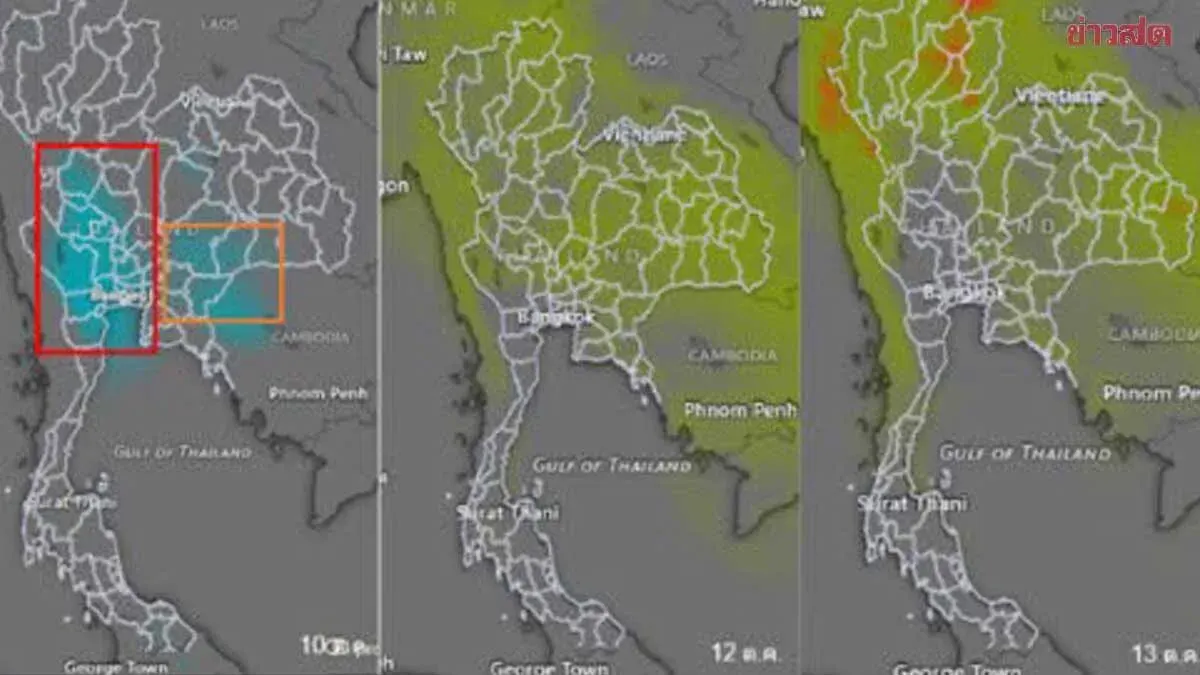
Flooding in several areas has also undermined travel confidence, although conditions in major tourist destinations have improved. Domestic tourism by Thai travellers has slowed as households set aside money to repair flood-damaged homes and vehicles.
With the high season approaching, Thienprasith said it was probably too late to launch a major tourism stimulus campaign. He urged authorities to improve coordination among airports, immigration officials and baggage-handling services to prevent travellers from being stranded at airports during peak periods.
The association’s immediate concern is a proposed 450-baht tourism fee for foreign visitors arriving by air, alongside a separate proposed departure tax of 1,000 baht per trip that would apply to travellers of all nationalities.
Thienprasith warned that, combined with increased airport passenger service charges, these measures could push the total travel-related charges for foreign visitors to between 2,570 and 3,000 baht per person, making Thailand less competitive with destinations such as Vietnam and Hong Kong.
He said international visitors were already complaining that travel in Thailand was expensive. Additional charges could persuade them to choose other destinations. A decline in Thai outbound travel could also prompt airlines to reduce flight frequencies, potentially limiting air connections for foreign tourists and weakening what the industry calls “two-way tourism.”
The association also questioned the rationale for the proposed 450-baht tourism fee. The Ministry of Public Health has cited unpaid medical bills incurred by foreign nationals in Thailand, estimated at around 7 billion baht annually. However, Thienprasith said the three nationalities most frequently cited — Myanmar, Cambodian and Lao nationals — were largely migrant workers rather than short-term tourists.
He argued that migrant workers should generally be covered by the social security system and said the unpaid medical bill figures should not automatically be used to justify collecting tourism fees from foreign visitors. He also questioned a proposal to direct the estimated 8 billion to 10 billion baht in