Thai Official: Deportation Just One Tool Against Problematic Foreigners
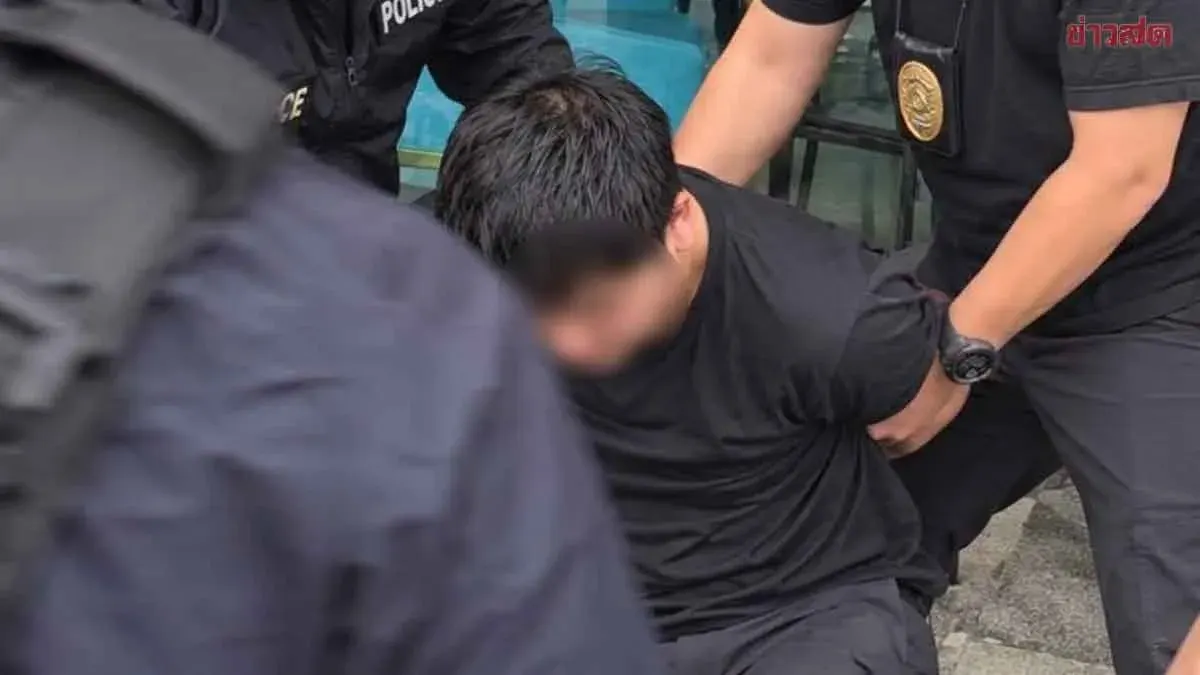
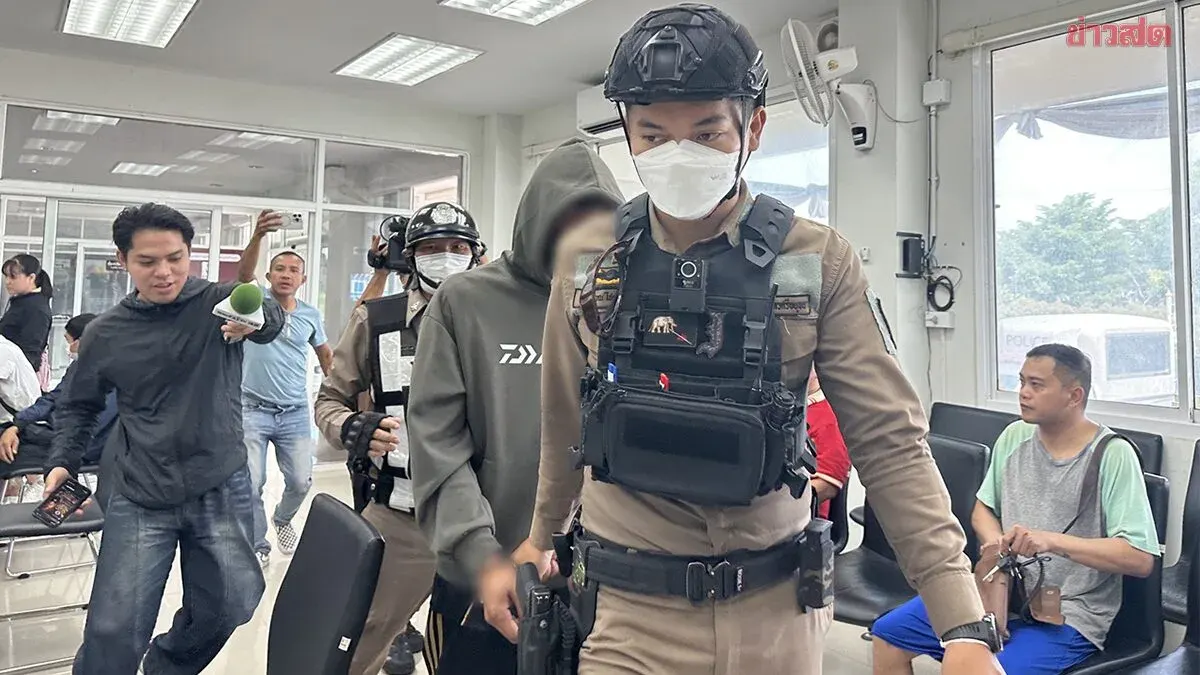
Thai authorities say deportation is one of several legal tools available to address problematic foreign behavior, with officials emphasizing most foreigners comply with laws and live peacefully in Thailand.
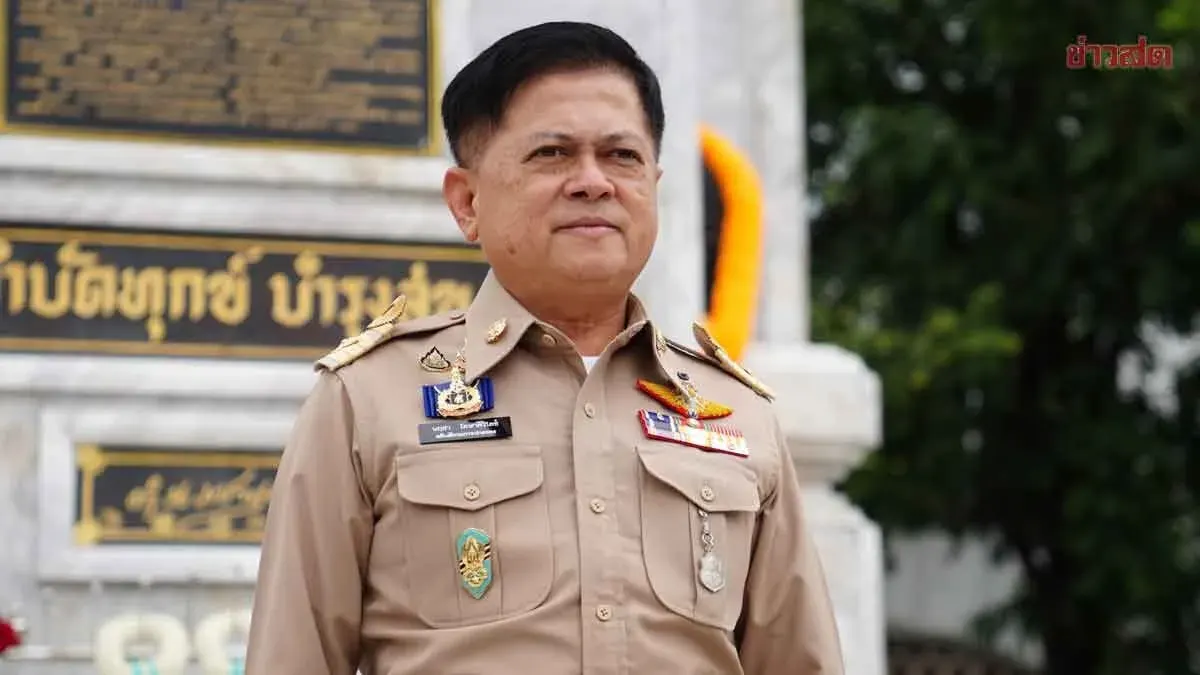
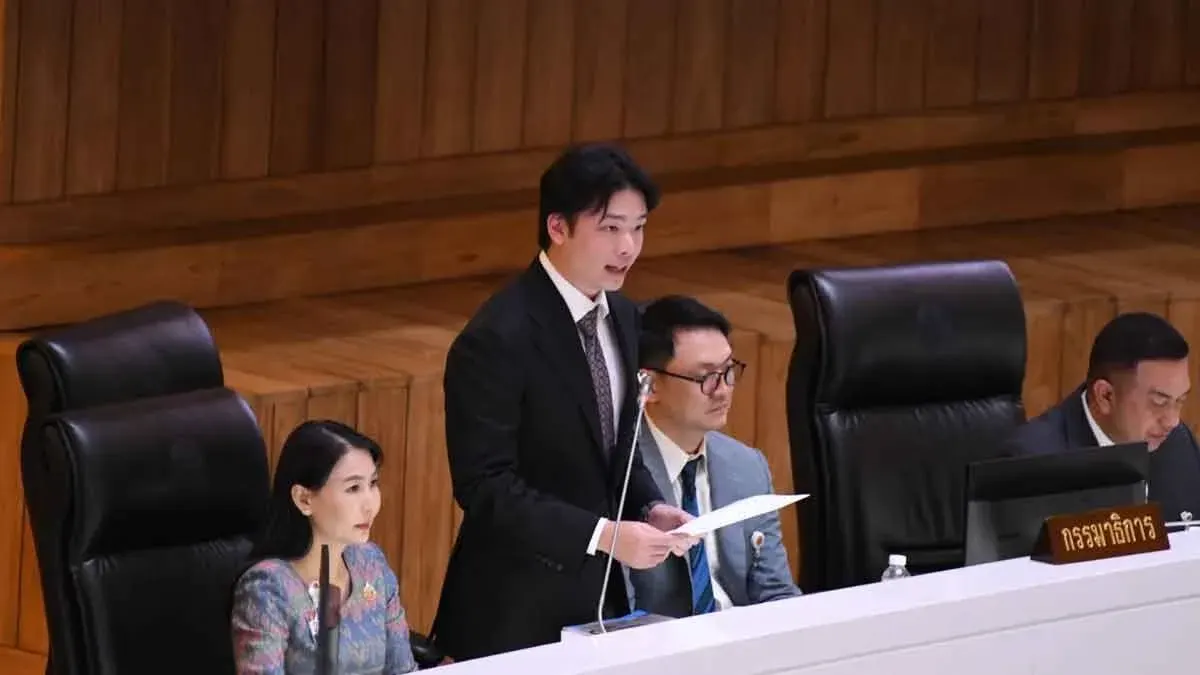
On September 9 at parliament, Narucha Korthsavalaiz, director-general of the Department of Provincial Administration, addressed the prime minister's order to deport foreigners causing problems in Thailand, saying it follows the Prime Minister's Office Regulation on Deportation, B.E. 2569.
"We try to welcome everyone entering Thailand, but once they arrive, they must follow Thai law," Narucha said. "If anyone behaves in ways that trouble society or threaten public peace, we will take legal action."
When asked if deportation would be the only method used against troublemaking foreigners, Narucha said many offenses exist under law and authorities have multiple options available. On whether large numbers of foreigners are causing unrest, he stated no widespread reports have been received, though some isolated cases are known.
Regarding Israeli citizens entering Thailand, Narucha said many foreigners live peacefully here and must be assessed individually. "We look at the overall picture. Most are living normally," he explained. "The issue may arise during their activities—we need to communicate to society how these will be conducted to avoid problems. Some areas see them coexisting peacefully with Thai people with no issues."
Narucha confirmed that surveillance is already in place across all areas and emphasized the importance of public understanding. "This is not about creating negative narratives. There are positive aspects too," he said, calling the deportation regulation an effective and clear measure for maintaining order.
When asked if deportation was the harshest measure available, Narucha replied: "There are laws much more severe. Deportation is just one measure to keep society peaceful."
On the Jewish cemetery established in Chachoengsao Province, Narucha said the owners obtained proper legal permission under the Cemetery and Funeral Rites Act, B.E. 2528, which they have followed throughout. Regarding the Chachoengsao governor's staff attempting to retrieve documents from the cemetery but finding no land owner present, Narucha said authorization must trace back to the original permit-granting authority—either the local municipality or subdistrict administration. "If no land owner can be found in Chachoengsao, one must be located. An owner with no presence makes things impossible. Officials will likely use land registry methods and government documents to resolve this."