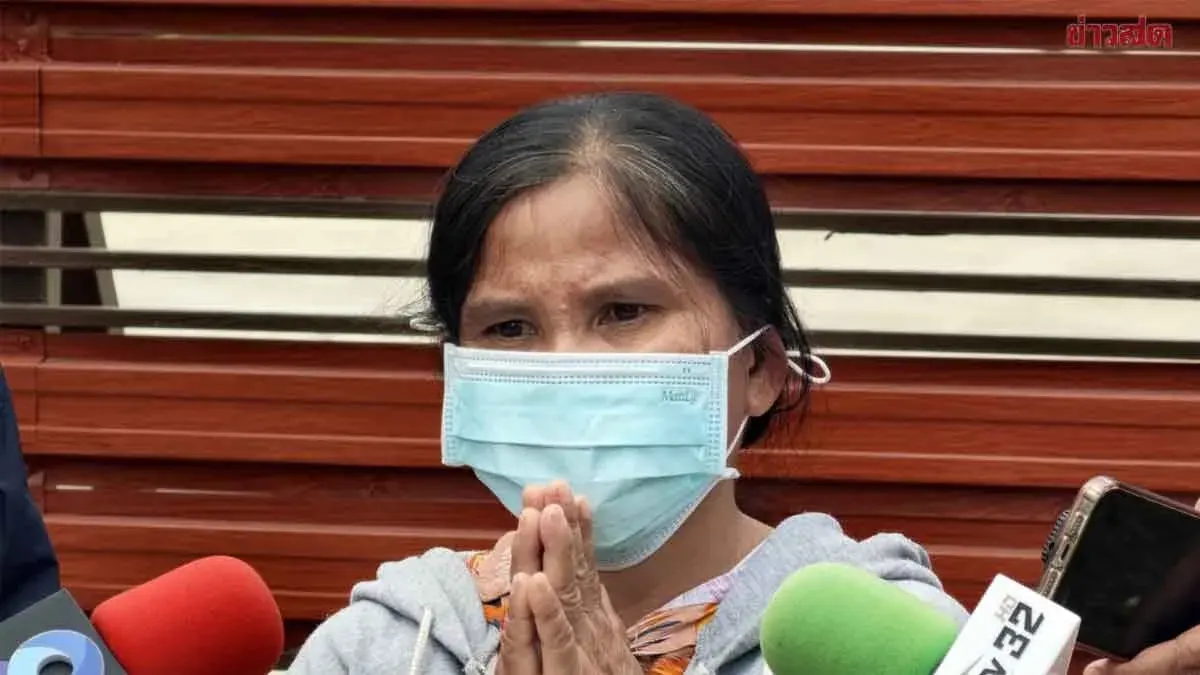
Thai Politician Demands Fair Student Loan Debt Cancellation
Thai MP Thavee Sodsong called for the fair cancellation of student loan debt to restore education rights, urging a shift from a loan‑for‑the‑poor fund to a state welfare investment. He highlighted that over 7.4 million Thais owe more than 146 billion baht, with many struggling to repay due to low income, and warned that educational debt is trapping families in poverty. He also noted low uptake of debt‑restructuring options and demanded greater transparency from the Student Loan Fund.

Thavee Sodsong, a Member of Parliament from the Prachachat Party, posted on Facebook on October 14, 2026, calling for the fair cancellation of Student Loan Fund (GYSF) debt to restore education rights. He urged transforming the fund from a loan scheme for the poor into a state welfare program that invests in people. The GYSF has operated for roughly 30 years, with over 7.4 million borrowers accumulated. The debt burden affects not only borrowers but also household incomes, savings, and the future of Thai families broadly. Thavee questioned when the state will stop harming Thai futures with policies that turn poverty into educational debt, noting the constitution obliges the state to provide education, support the underprivileged, and reduce inequality. He argued that the state should not shift education costs onto those born poor, turning poverty into the start of lifelong debt.
Under the GYSF Act, tuition and related educational costs are paid directly to institutions, while living expenses are paid to borrowers, yet both portions become debt that borrowers must repay by law and contract. Although schools receive tuition and society benefits from a more skilled workforce, if graduates cannot find work or earn enough, the repayment risk falls on borrowers and their families.
Data from 2026 shows that among borrowers who became eligible to repay two years after graduation, 207,799 accounts began repayment that year. Of these, 82,240 accounts (39.58%) had salaries deducted through employers and the Comptroller General’s Department, while 125,559 accounts (60.42%) did not. This does not equal unemployment, as some may be self‑employed or have other income, but it raises the question of how many graduates truly have jobs, income, and the ability to repay.
As of December 31, 2025, borrowers aged 35 and over with outstanding GYSF loans numbered 1,126,005, with total debt exceeding 146.651 billion baht. Many are in the stage of building families, raising children, and caring for parents, yet still carry education debt that follows them through life. Thavee warned that parents’ educational debt should not become an obstacle for their children’s future.
Meanwhile, 3,492,449 borrower accounts qualified for debt restructuring, but only 823,087 (23.57%) have actually signed agreements, leaving 2,669,362 (76.43%) still unsigned. He said this does not mean all were denied relief, but the government must explain why so many eligible borrowers have not entered the assistance process.
The amended GYSF Act of 2023, in effect since March 20, 2023, sets borrower‑friendly terms: interest capped at 1% per year, late‑payment penalties at no more than 0.5% per year, and repayment order changed to pay off matured principal first. Yet complaints persist about loan amounts, interest, penalties, and restructuring.
Thavee urged the GYSF to disclose how many debt recalculations have been correct, how much overpayment has been made, how much has been refunded, and how many complaints remain unresolved.