Thai Minister Orders Forestry Dept to Explain Ginger Farm Removal
Thailand’s Minister of Natural Resources and Environment ordered the Forestry Department to clarify the removal of 258 rai of ginger plantations in Chai Prakan, Chiang Mai, and to pursue legal action against forest encroachers while restoring the area. The operation, conducted under the Forest Reserve Act, follows public concern over land clearing and allegations of illegal logging and outside capital involvement. Officials will examine each plot’s status, protect local farmers’ livelihoods, and coordinate with security and environmental crime units to expand the investigation.
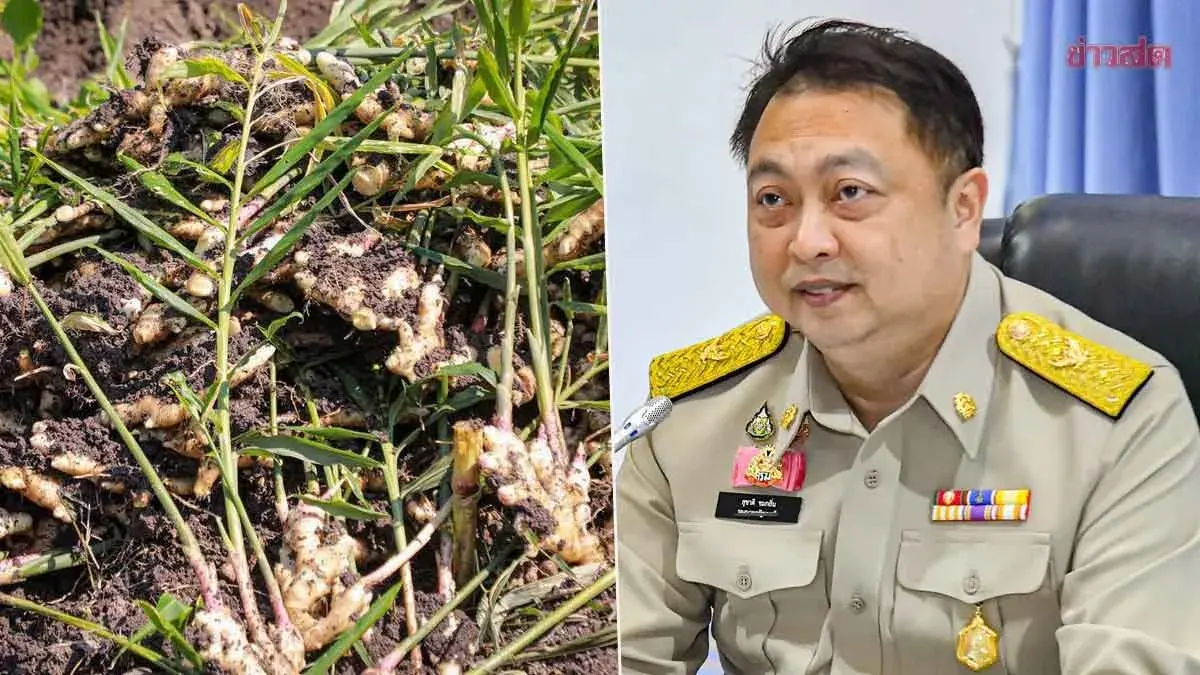
On 14 October 2069, Minister Suchat Chomglin of the Ministry of Natural Resources and Environment instructed the Forestry Department to investigate and explain the removal of ginger plantations in Chai Prakan, Chiang Mai, under operation 'Protect Chai Prakan'. The operation cleared 258 rai of ginger fields in Mae Talap Subdistrict after receiving public queries on social media about land conditions and the conduct of state officials. The minister stressed the need for transparency, adherence to facts and the law, and decisive action against forest encroachment while considering the impact on local residents.
He noted that encroachment in Chai Prakan forest is a long‑standing problem that must be resolved to protect natural resources and watershed areas. He assigned Forestry Department Director‑General Nigan Sirorojananon to verify facts, inform the public clearly, monitor officials’ compliance with legal procedures, and expand action against all parties involved in forest encroachment.
According to the Forestry Department, the Chai Prakan forest plantation is Project 4 of the Forest Industry Organization (FIO), which has managed the area under a 1989 agreement. Of the approximately 10,000 rai total, only about 3,000 rai (30 %) remain as intact forest or plantation; the rest has been degraded by encroachment and converted to farmland. To date, the department, together with other agencies, has gathered evidence leading to eight legal cases covering over 6,147 rai. The removal of the 258‑rai ginger plot on 9 October 2069 was carried out under Section 25 of the Forest Reserve Act of 1964, following the required administrative procedures.
Deputy Director‑General Phatphong Samittipat said inspections revealed tree stumps and logs discarded in a creek, indicating illegal logging to prepare land for ginger cultivation. Although the FIO conducts regular patrols, limited staffing prevents full coverage, creating opportunities for agricultural encroachment.
Authorities will examine each plot’s factual and legal status. For rice and corn fields worked by local residents, they will consider livelihood impacts and may allow harvesting according to agency guidelines. Ginger plots suspected of links to outside capital will be prioritized for evidence collection to prosecute those involved under the law.
Additional issues to be investigated include reports of fungus found in ginger fields, provided by the Chai Prakan district agriculture office, and suspicions that state officials or local individuals facilitated outside capital’s entry to encroach on forest land.
The Forest Industry Organization has formed a fact‑finding committee and is coordinating with the Internal Security Operations Command and the Environmental Crime Suppression Division (BCSD) to broaden the investigation. If wrongdoing or negligence by officials is established, legal and disciplinary measures will be applied strictly.