Thailand Approves Seven Measures to Cut Electricity Bills
Thailand's cabinet approved seven measures to reduce household electricity bills, including lower residential rates and surcharges on data centers and large industries to fund public electricity costs.
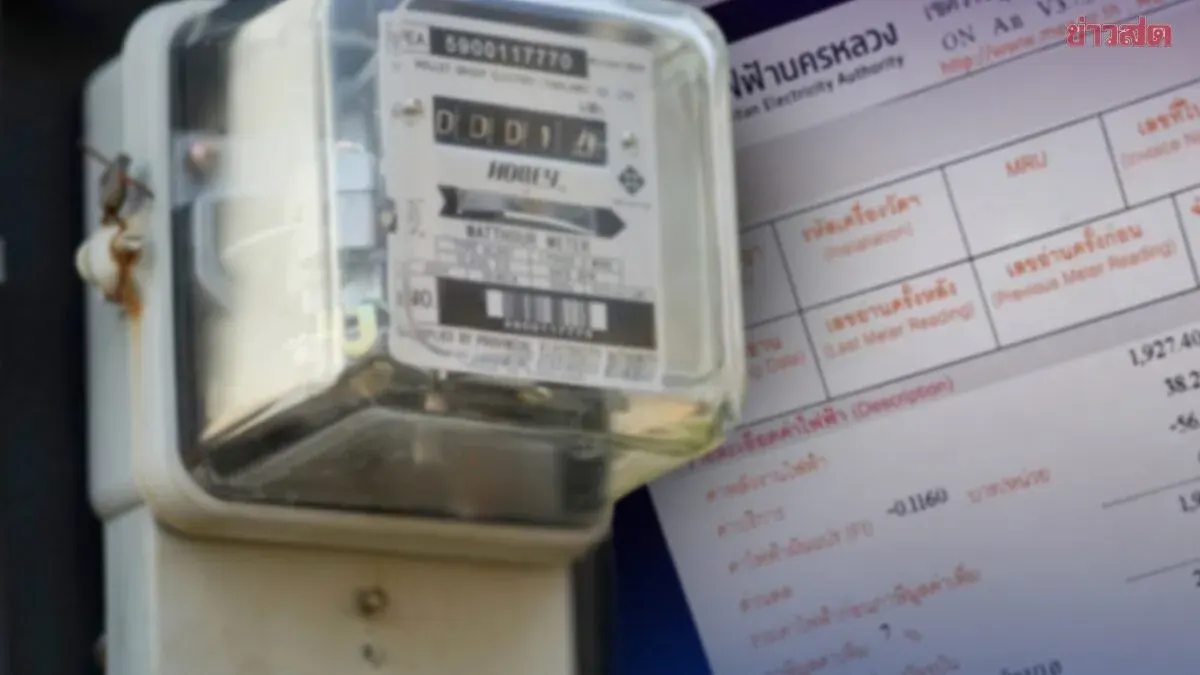
Thailand's National Energy Policy Committee (NEPC) has approved seven electricity measures aimed at reducing consumer costs while ensuring data centers and industries bear their fair share. The main points include: separating public electricity costs (such as street lighting) from household bills and establishing a new rate, funded partly by surcharges on data centers and large industrial users; reducing residential electricity rates to 3 baht per unit for the first 200 units while maintaining higher rates for additional consumption; extending the reduced rate to rental properties including rental homes, dormitories, and apartments previously charged temporary rates; expanding direct power purchase agreements (Direct PPA) for clean energy to industrial sectors beyond data centers through third-party access to the grid; setting separate electricity rates for data centers to reflect their actual infrastructure costs; and requiring large data center operators to post performance bonds on grid usage. The reforms aim to lower costs for ordinary consumers, promote clean energy adoption, and transition toward a competitive market while preventing large users from shifting their costs to the general public.