Thailand Shelves 40-Baht Rice Curry Price Support Program
Thailand has suspended a subsidy program aimed at capping curry prices at 40 baht per plate after widespread opposition from restaurant operators who argued the measure ignored broader cost pressures like rent, utilities, and labor.
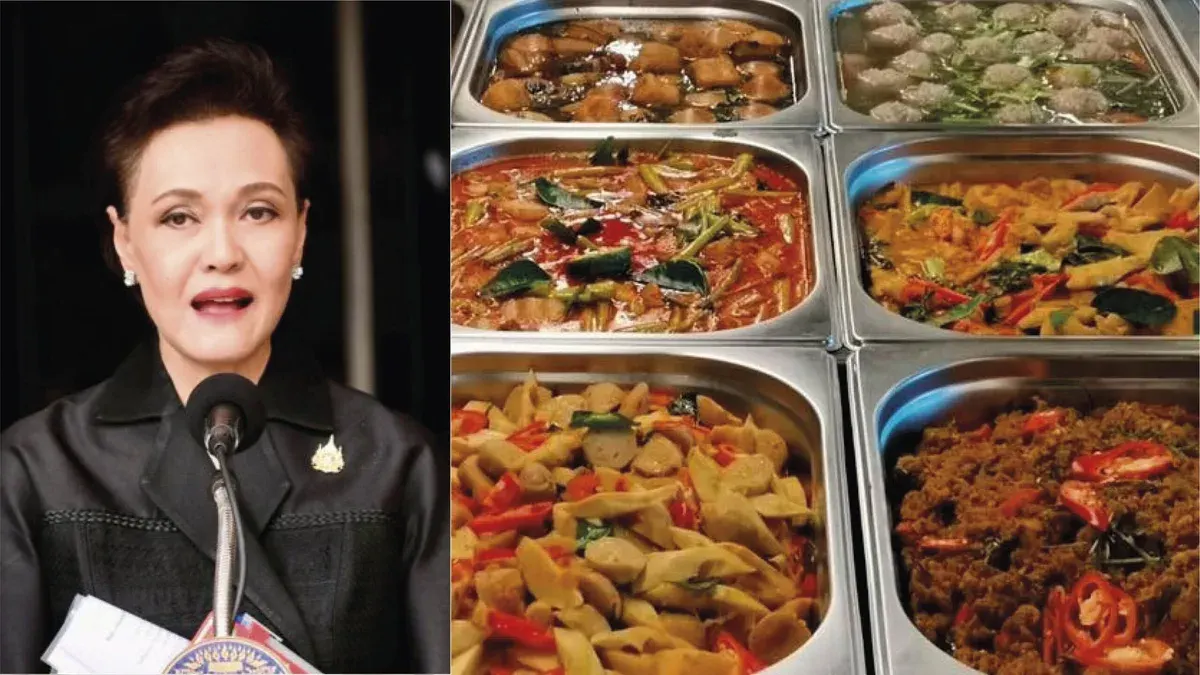
The Commerce Ministry's "Thai Rice Curry Helps Thailand" initiative, or 40-baht curry program, was designed to ease the public's cost of living as curry prices climbed past 50 baht per plate. The program targeted 100,000 restaurant sign-ups nationwide, offering ingredient subsidies of 3,000–10,000 baht per establishment for at least three months. Despite good intentions, the plan sparked opposition from restaurant operators and vendors countrywide. Ultimately, Deputy Prime Minister Supachai Suthammaphanth and the Commerce Minister suspended the program to review it and hear new perspectives. Critics contend the measure addresses the wrong problem, as restaurant costs involve far more than the price of pork, chicken, and vegetables—they also include gas, electricity, labor, rent, and rising transport costs. Short-term subsidies may provide temporary relief, but once the program ends, restaurants must shoulder their original costs while consumers expect prices to stay at the subsidized level. Moreover, a uniform nationwide price ignores regional cost variations; restaurants in high-rent urban and commercial zones would find it hard to compete if forced to sell at 40 baht. Many establishments might cut portion sizes or food quality, ultimately hurting consumers. The right approach is for the government to tackle root causes—controlling energy prices, raw material costs, and transport expenses—because if costs fall, curry prices will naturally decline through market forces. Currently, 30–40 baht curry already exists in many areas: community markets, hospitals, schools, and welfare shops. Although the 40-baht program never launched, stepping back demonstrates the government listens to all sides. The Commerce Minister, working closely with people's livelihood concerns, shows wisdom by remaining open to criticism and refining proposals before deciding—a path that reduces conflict and helps state policy address problems more effectively.