Thailand Restructures Electricity Pricing, Cuts First 200 Units to 3 Baht
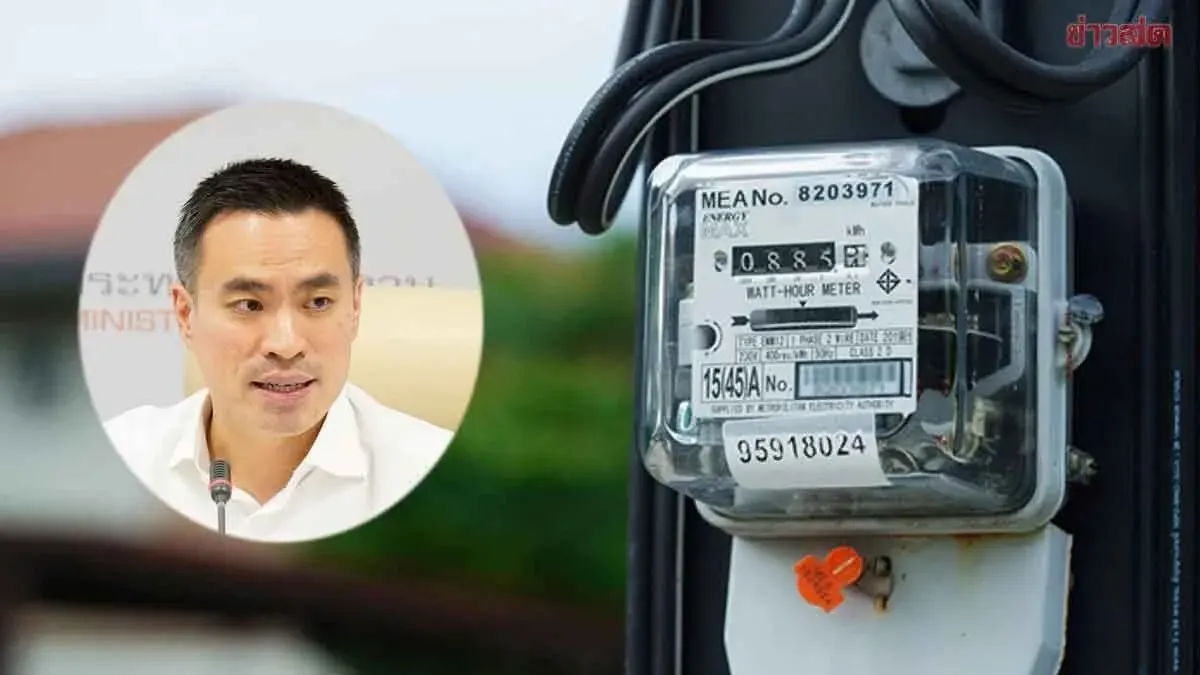
Thailand's government capped residential electricity rates at 3 baht per unit for the first 200 units consumed, benefiting over 23 million households starting in August's billing cycle. The restructuring also opens renewable energy markets
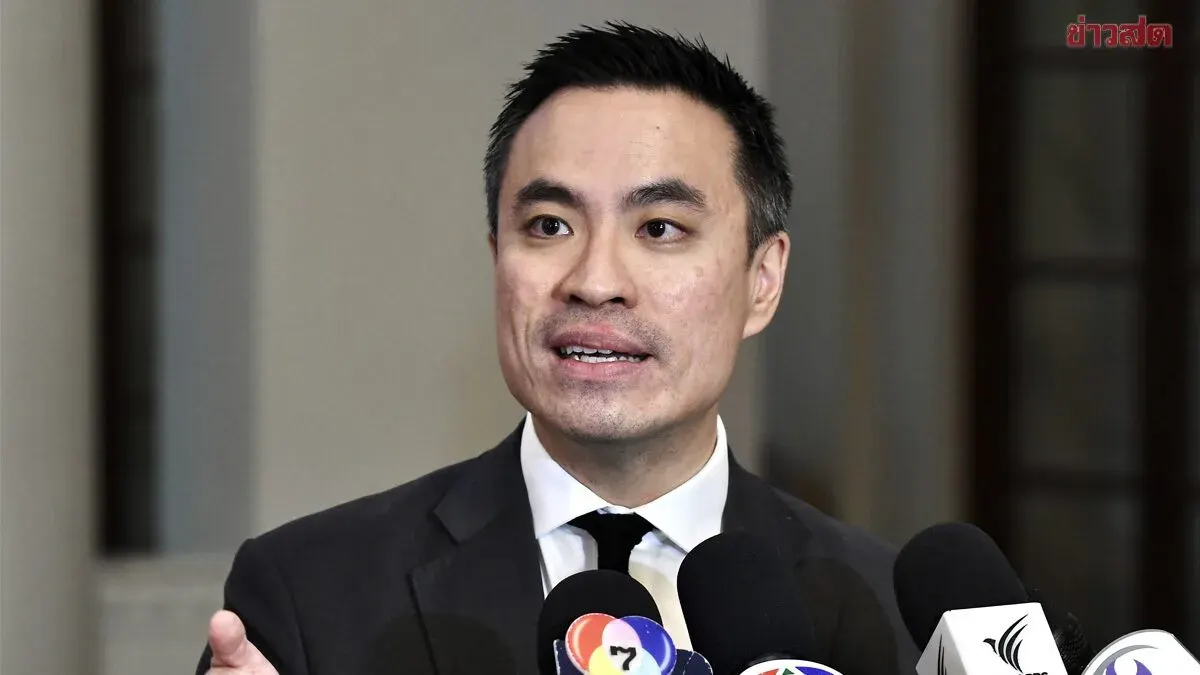
Energy Minister Eknath Prommaphand unveiled Thailand's sweeping electricity restructuring plan on July 15, 2025, at Government House, following a National Energy Policy Committee (NEPC) meeting presided over by Prime Minister Anutin Charnvirakul. The committee approved a major price reduction measure for all residential households, capping the electricity rate at no more than 3 baht per unit for the first 200 units consumed. This initiative will reach over 23 million households, including renters and temporary residents, with implementation expected in August's billing cycle pending regulatory approval.
"We are not merely adjusting the FT rate quarterly, but completely restructuring the base electricity tariff," Prommaphand explained. "We are separating public electricity charges from the baseline rates to redirect the difference as a discount to consumers." The government also approved a new renewable energy policy by removing the previous 2,000-megawatt cap and industry restrictions on Direct PPA contracts, allowing all sectors to purchase clean electricity directly based on market competition rather than through traditional monopoly channels.
The ministry is redesigning Thailand's electricity system to limit state utilities to grid management only, while buyers and sellers negotiate directly according to market mechanisms. For data center operators—who consume significant power—the government is creating a separate classification to ensure electricity pricing reflects actual LNG import fuel costs without burdening residential users. Data center rates will be monitored to comply with environmental and water resource standards.
When asked whether data center electricity rates would reach 5–6 baht per unit, the energy minister noted that rates would reflect real LNG import costs under current market conditions and could fluctuate with global LNG price movements. The Energy Regulatory Commission will study the tariff structure for data centers, which is expected to be higher than other industrial and residential rates due to their high consumption. The committee also approved measures to address long-standing issues with private power purchase agreements, including reviewing the power purchase premium (Adder) previously set at 6.50–8 baht per unit.