Thailand Eyes Higher Power Rates For Data Centers
Thailand's energy ministry plans to create a new electricity rate category specifically for data centers, charging them 5–6 baht per unit higher than standard rates to recover costs from expensive imported power generation. Revenue from the
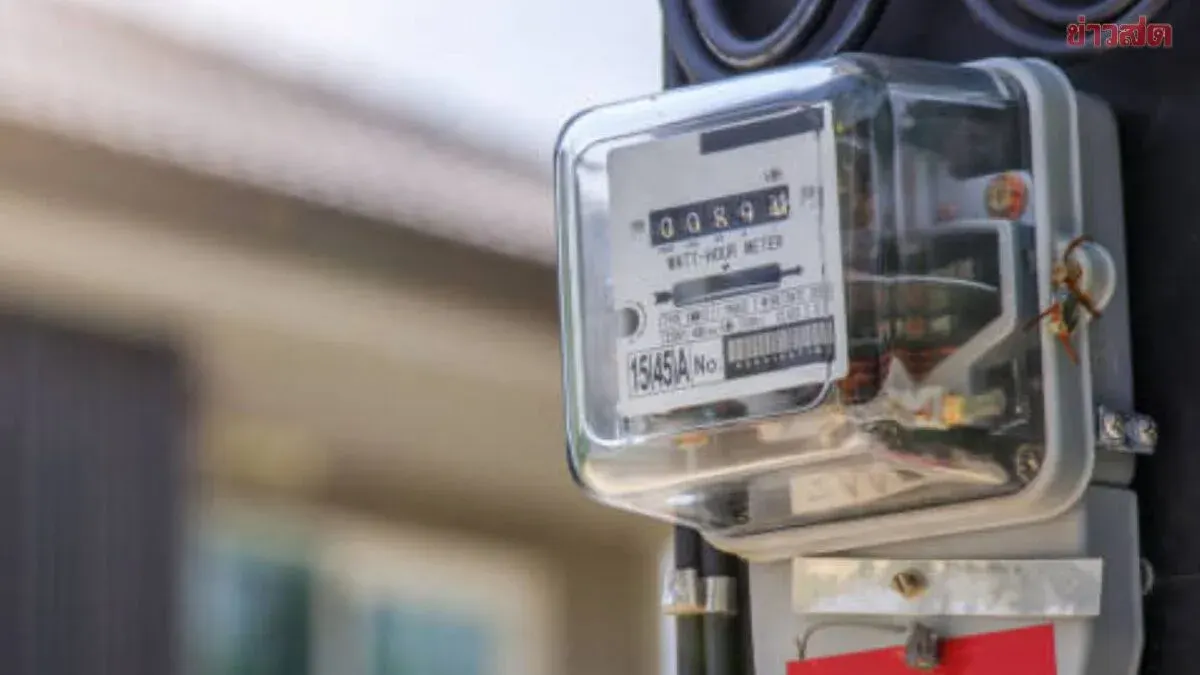
Thailand's energy ministry is preparing to overhaul the country's electricity user classification system, according to sources from the Energy Ministry. At a meeting of the National Energy Policy Committee (NEPC) on July 15, 2569, chaired by Prime Minister Anuthín Charnweerakul, Energy Minister Eknath Prom Phan will propose restructuring electricity user categories from eight to ten types. The key change is creating a new ninth category specifically for data centers, with electricity rates set 5–6 baht per unit higher than standard rates to reflect true generation costs.
Data centers, particularly large AI processing facilities and servers, consume high volumes of electricity continuously 24 hours a day, forcing the power system to rely on expensive imported liquefied natural gas (LNG) rather than domestic gas. Under the current uniform rate structure, these extra costs are averaged into the national tariff, creating an invisible burden on ordinary households. By charging data centers separately and at higher rates, the ministry aims to extract approximately 17 billion baht annually in previously hidden charges from public bills.
The ministry plans to use revenue from data center charges to reduce electricity costs for vulnerable households and potentially support small and medium enterprises. A tenth user category, labeled "public electricity costs," would also be created to transparently separate public infrastructure expenses currently bundled into household bills. The restructuring seeks to ensure each user group bears the actual cost of their electricity consumption while reducing cross-subsidies and increasing transparency in Thailand's power pricing system.