Thailand Cuts Residential Power Rates, Separates Street Lighting Costs
Thailand's government will cut residential power rates and separate street lighting costs from household electricity bills, with the first 200 units reduced to 3 baht per unit. The Energy Ministry also expanded the policy to include rental
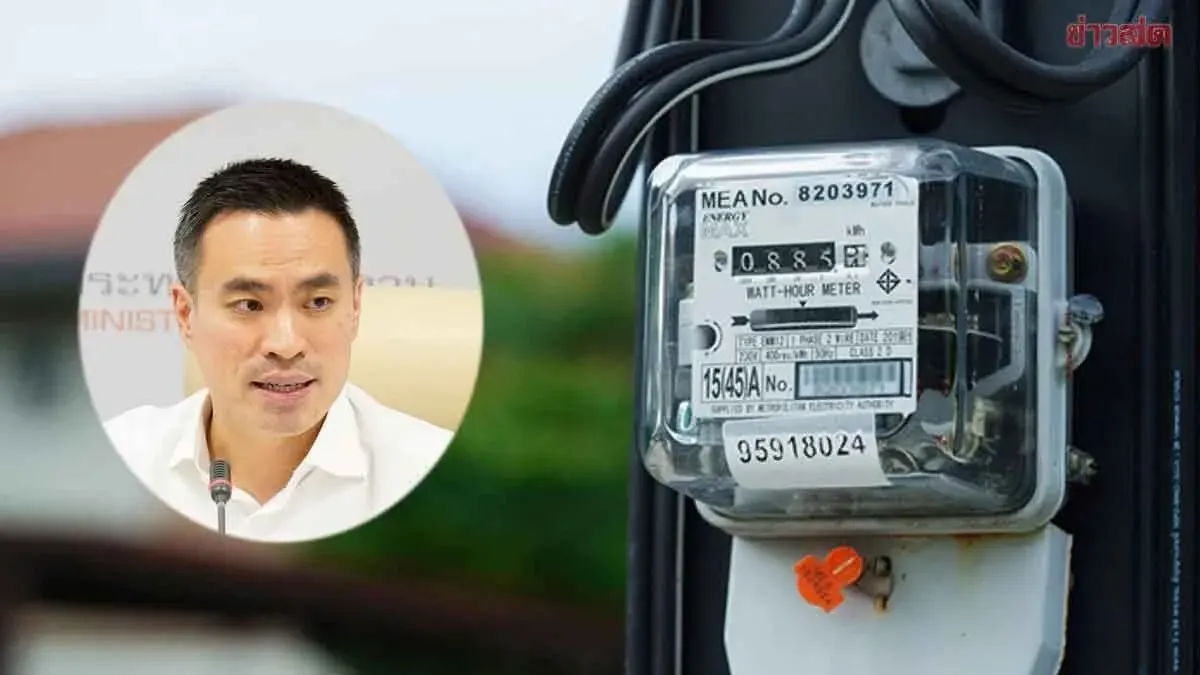
Energy Minister Eknath Phromphanthu announced that the National Energy Policy Committee has approved separating public electricity costs such as street lighting from charges to ordinary consumers and setting them at a new dedicated rate to reduce the electricity burden on the public. The committee also tasked the Energy Regulatory Commission with amending laws and regulations for the electricity development fund to collect revenues from new sources including data center users, direct power purchase agreement holders, savings from reduced renewable energy adders, and community solar projects.
"These funds will be used to reduce public electricity costs and continue lowering residential electricity burdens as part of a stable energy transition toward clean energy, restructuring toward fair competition and just pricing," the minister said. The committee also approved reducing residential electricity rates by implementing a progressive tariff for residential users, with the first 200 units reduced to 3 baht per unit, while units 201-400 and above 401 remain unchanged. By removing public electricity costs from residential bills, all consumption levels benefit from the restructuring.
The committee also expanded the definition of residential electricity users to include rental housing businesses such as rental homes, dormitories, and apartments, as well as homes without house registration currently required to use higher-rate temporary electricity. This helps ease the burden on renters, mostly students and workers. For data centers, the committee approved setting separate electricity rates reflecting true costs of power supply and network expansion investments including imported liquefied natural gas and infrastructure upgrades requiring special reliability, preventing these costs from burdening ordinary consumers.