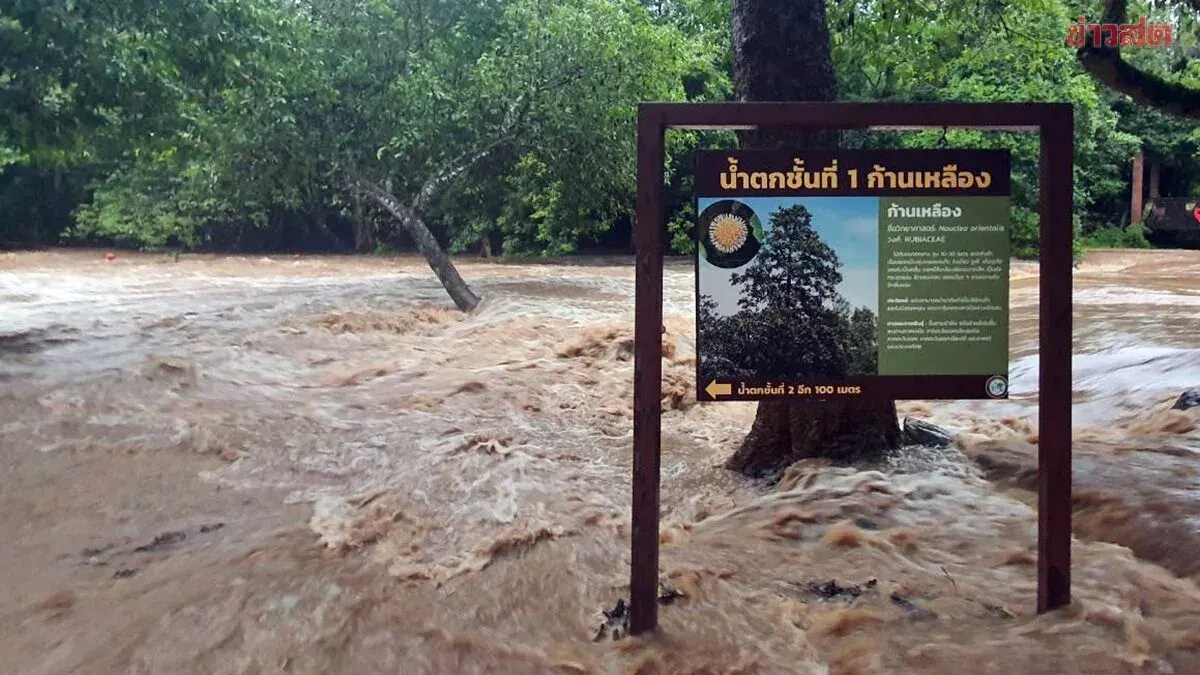
Thailand Braces for Dual Climate Crisis in 2027
Thailand faces a dual climate crisis in 2027 as a supersized El Niño gives way to potential La Niña flooding, threatening 127.1 billion baht in economic damage and a 0.65 percent drag on GDP growth through agricultural devastation and suppl

Thailand has endured drought since 2026, and both the World Meteorological Organization and the U.S. National Oceanic and Atmospheric Administration warn that 2027 could present extreme two-sided weather conditions—severe early-year drought followed by heavy late-year flooding driven by rapid atmospheric shifts. The United Nations has issued an international climate alert citing a supersized El Niño phenomenon intensifying rapidly, posing risks of flooding, drought, and extreme heat waves across most of the globe through February 2027.
Economic damage in the billions
Bangkok-based research centers estimate that during the first half of 2027, Thailand will still face the impacts of the supersized El Niño or drought conditions. By mid-year, the shift into a La Niña risk phase could trigger flooding across 5.2 million rai of land, potentially causing total economic damage of 127.1 billion baht and dragging Thai GDP growth down by 0.65 percent. Major crop damage includes a 12 percent fall in rice output, a 16 percent drop in sugarcane, an 8.5 percent decline in palm oil, along with damage to cassava and rubber. Agricultural household incomes are projected to fall by 2 percent.
Deep analysis by InnovestX Securities, part of Thai Commercial Bank, indicates that crop damage will worsen household debt quality and shrink private consumption to 2.0 percent growth. The government may need to increase emergency relief budgets by 4.0 percent and water management investment by 4.5 percent, potentially pushing Thailand into mini-stagflation—slow growth combined with inflation climbing as high as 2.5 percent due to rising fresh food prices from supply shortages. Separately, SCB EIC warns the crisis will cut Thai farm incomes by 2 percent.
Beyond crop damage, impacts will ripple through households, industry, and services. Direct hits on living costs will come from rising prices on fresh goods like pork, chicken, eggs, and prepared foods such as rice and curries as agricultural raw material supplies tighten. Shocks will spread to food and beverage processing industries, then to food trade, restaurants, and hotels forced to absorb higher food and processed agricultural commodity costs, as well as to chemical, petroleum, and pharmaceutical sectors.
Investment confidence under threat
If drought or flooding strikes the EEC (Eastern Economic Corridor), Thailand's strategic investment zone, it risks shaking both local and foreign investor confidence, potentially slowing new investment or, in the worst case, prompting manufacturers to relocate to countries with more stable water supplies and stronger infrastructure. This could undermine the Thailand FastPass initiative to accelerate foreign direct investment.
Government response measures
Prime Minister Anuthea Chai-veera has instructed all relevant agencies to proactively manage water using advance forecasting data, plan adequate water allocation, and not wait for water shortages to occur before intervening. Priority is placed on protecting the public and safeguarding the EEC as the nation's strategic investment zone.
State management plan
Deputy Prime Minister Ekkhani Niti-thandprasap and Finance Minister stated that the 2027 budget includes measures to increase water storage capacity by 83.35 million cubic meters and secure backup water sources for the water supply system.