Thailand Monitors European Supermarket Freezer Cyberattack Impact on Food Exports
Thailand's Department of International Trade Promotion is monitoring a cyberattack that disabled supermarket freezer systems across 11 European countries, assessing potential impacts on Thai food exports. Hackers infiltrated IoT-controlled freezers, raising temperatures to 50 degrees Celsius and damaging fresh and frozen goods, with frozen seafood and processed chicken exports considered most vulnerable due to cold chain dependencies. No Thai order cancellations have been reported yet, but exporters are advised to prepare for potential demand surges once systems are restored.
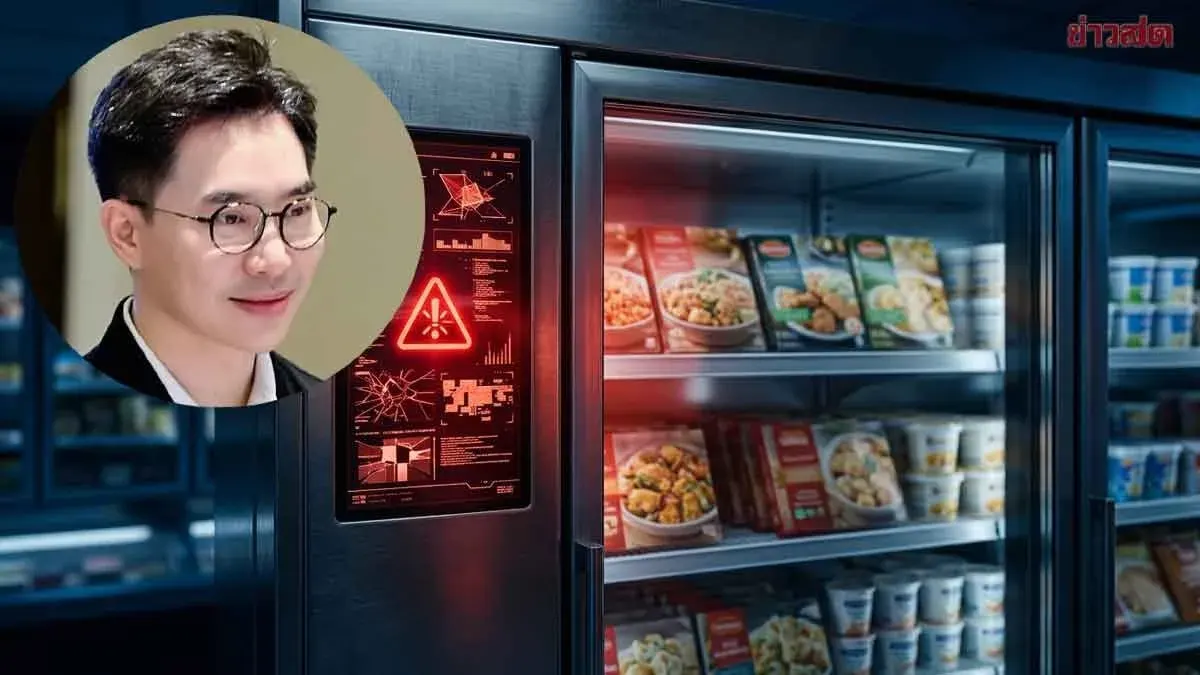
DITP Director-General Warawut Samwangprasert revealed that the department is tracking the cyberattack on remote-controlled freezer systems in European supermarkets and coordinating with trade offices in Europe to monitor effects on Thai food export orders. This follows Deputy Prime Minister and Commerce Minister Supachai Sutthamphanthu's policy to maintain existing export markets while expanding trade value and strengthening Thai entrepreneurs' competitiveness.
The attack originated from hackers breaching IoT control systems for freezer units, commanding them to switch from freezing to defrost mode and rapidly increasing temperatures to 50 degrees Celsius, damaging fresh and frozen foods. As of November 5, 2026, the attack had expanded from France, where about 700 locations were affected, to at least 11 other countries.
Warawut stated this differs from typical ransomware attacks as no ransom was demanded for system unlocking. It is assessed as potentially aimed at creating instability in food supply chains and causing economic losses, which could affect supermarket operations, product distribution, and goods receipt from trading partners including Thailand.
The DITP has instructed European trade offices to closely monitor the situation and coordinate with Thai importers and entrepreneurs to assess impacts on orders and deliveries. Frozen seafood and processed chicken are considered high-risk groups due to their reliance on cold chain systems for storage and distribution. If destination freezer systems stall, restocking orders may slow down. Chilled foods, vegetables, and fresh fruits with limited shelf life face risks of delayed receipt or order cancellations if retail space and cooling systems are not ready. However, European trade offices have not yet received reports of Thai product order cancellations.
Canned ready-to-eat foods and dry food products, which do not require cold storage, are expected to see limited impact and may gain sales channels while supermarkets adjust storage and display space.
Warawut advised Thai exporters to closely monitor the situation and prepare production capacity, raw materials, and logistics. Once supermarkets restore systems and resume normal operations, there may be a surge in new frozen food orders to replace damaged goods and replenish stock.
Additionally, entrepreneurs should accelerate upgrades to cold chain management systems to ensure security and cyber resilience, using technology to monitor and track...