Thailand's 94-Year Cycle of Power and Patronage Traps Independent Agencies
Thailand's cycle of power grabs and constitutional reforms over 94 years has trapped independent agencies into serving political elites rather than the public, according to a former deputy PM who argues that patronage systems convert watchd

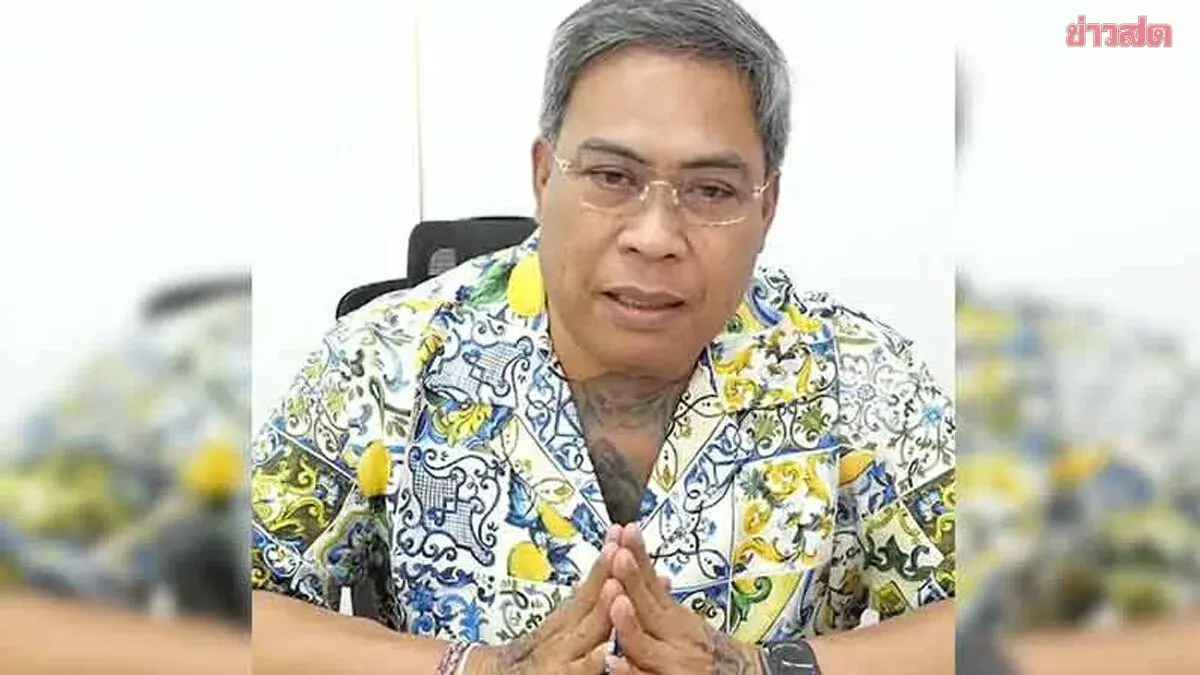
At a parliamentary committee seminar on September 12 titled "Monitoring the Role of Independent Agencies in Thailand's Political Crisis," former deputy prime minister and ex-speaker Phockin Polkul said the core problem stems from constitutional language requiring independent agency appointees to uphold justice and good governance—ideals that are purely rhetorical. Over 94 years, he explained, Thailand has cycled endlessly through power grabs, new constitutions, elections, and more power grabs, all within a system of authoritarianism and patronage where the bureaucracy serves as a mutual support mechanism rather than the public.
Phockin argued that independent agencies function like other state agencies because they ultimately remain subordinate to the executive branch. While their structure has changed over time, these reforms have not addressed root causes but merely replaced one group's dominance with another's. He characterized the 2017 constitution as a "anti-corruption" charter in name only, calling it instead a vehicle for power succession dressed in fine language. Regardless of how eloquently constitutions or economic plans are written, he said, those in power do not follow them because they operate within a system of authoritarianism and patronage that uses the bureaucracy to prop up their rule.
Phockin noted that when those in power fear oversight, they move to control the watchdog agencies themselves, converting them into tools. He said this pattern has defined all 94 years: corruption now pervades politics at every level, from national to local, with powerful figures doing whatever they wish while citizens can only watch helplessly. The civil service has become an instrument serving political elites, monopoly businesses, party-affiliated enterprises, and even criminal networks, generating widespread corruption and graft.
Phockin expressed frustration that even the Buddhist clergy—whose ranks are defined by laypeople and who do not seek worldly power but spiritual position—remain trapped by systems of authoritarianism and patronage rather than religious principles. If the clergy cannot escape, he asked, how can laypeople or independent agencies? Both the material and spiritual realms follow the same corrupt path. He noted that independent agencies emerged in the 1997 constitution, but today they fail their function because screening committees nominating candidates to the Senate include members from political parties, and he observed lobbying occurring during the selection process. In the past, he added, the worst practice was attempting to prevent opposition-aligned figures from gaining positions.