Thailand Struggles to Become ASEAN EV Production Hub
Thailand's BEV output is forecast to reach 115,000 units in 2026, but this is only 29% of the capacity announced by automakers. Exports remain limited to about 17% of production due to rising domestic BEV manufacturing in ASEAN countries and protective market measures. As a result, Thailand's ambition to become the ASEAN BEV production hub faces significant challenges.
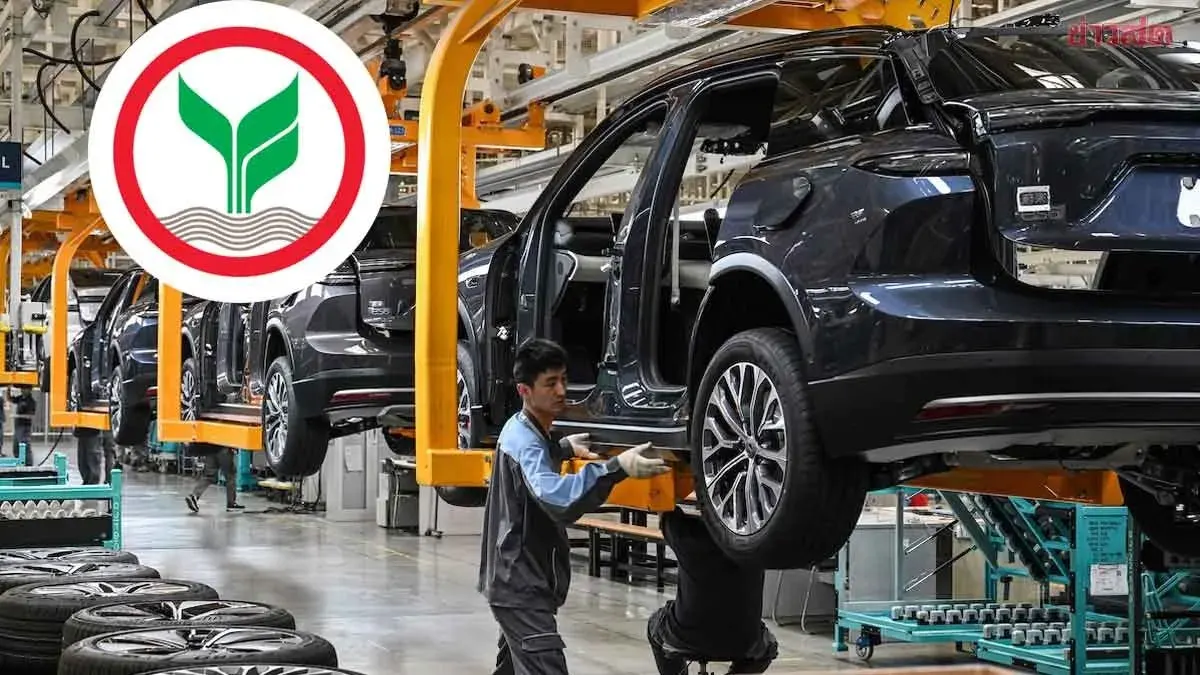
Thailand is expected to produce 115,000 BEVs this year but remains far from becoming ASEAN's main production base, as exports only account for 17% or about 20,000 units, because every country is pushing to produce its own. Kasikorn Research Center forecasts that Thai BEV production in 2026 will reach 115,000 units, up 62% from the previous year. However, this output represents only 29% of the production capacity announced by automakers. Actual BEV production in Thailand remains low compared to investment plans. In addition, Thailand will continue to import large numbers of BEVs for sale in 2026, and BEV production for export remains low, estimated at around 20,000 units, or just 17% of total Thai BEV production in 2026. Competition and each country's market protection measures limit the prospects for Thai BEV exports, especially in ASEAN markets. Beyond competition with Chinese BEVs entering key Thai export markets such as Oceania, opportunities to export Thai BEVs to ASEAN—formerly a primary export target—may fall short of original goals. Although the ASEAN BEV market is growing, the three main BEV markets in ASEAN—Indonesia, Vietnam, and Malaysia—are also promoting domestic BEV production through various policies, which will affect Thailand's BEV import opportunities. BEV‑investing automakers in Thailand are also investing in Indonesia, where Indonesia has tightened requirements for the share of locally produced parts in BEVs sold there, encouraging more BEV production in Indonesia. This raises the chance that Indonesia will become a direct competitor to Thailand as a regional BEV production and export hub. Most of the automakers investing in Indonesia are well‑known BEV brands that also invest in Thailand. Moreover, Indonesia enjoys clear advantages over Thailand in nickel supplies for battery production and a much larger BEV consumer market, making economies of scale easier to achieve there even without heavy reliance on export markets. Vietnam and Malaysia focus on protecting national brands with various measures, increasing domestic BEV production while making BEV imports from other countries more difficult. These measures include complex import procedures that raise costs, and Vietnam’s BEV ecosystem favoring national brands. Malaysia sets minimum BEV import thresholds that restrict small‑ to medium‑sized BEVs made in Thailand, although neither country is seen as a major rival for large‑scale investment.