Thailand Tightens Import Rules for Five Strategic Minerals
Thailand's Department of Primary Industries and Mines is drafting stricter import regulations for tin, lead, copper, gold, and rare earth elements, requiring mine coordinates and certificates of origin. The rules aim to trace supply chains, prevent transboundary pollution in border rivers, and stop Thailand from being used as a transit route for conflict minerals. The regulation is expected to take effect early 2027.
The Department of Primary Industries and Mines (DPIM) is preparing a new ministry announcement to tighten controls on imports of five minerals — tin, lead, copper, gold, and rare earth elements — in border areas to trace the source of transboundary pollution. The regulation is expected to take effect early 2027.
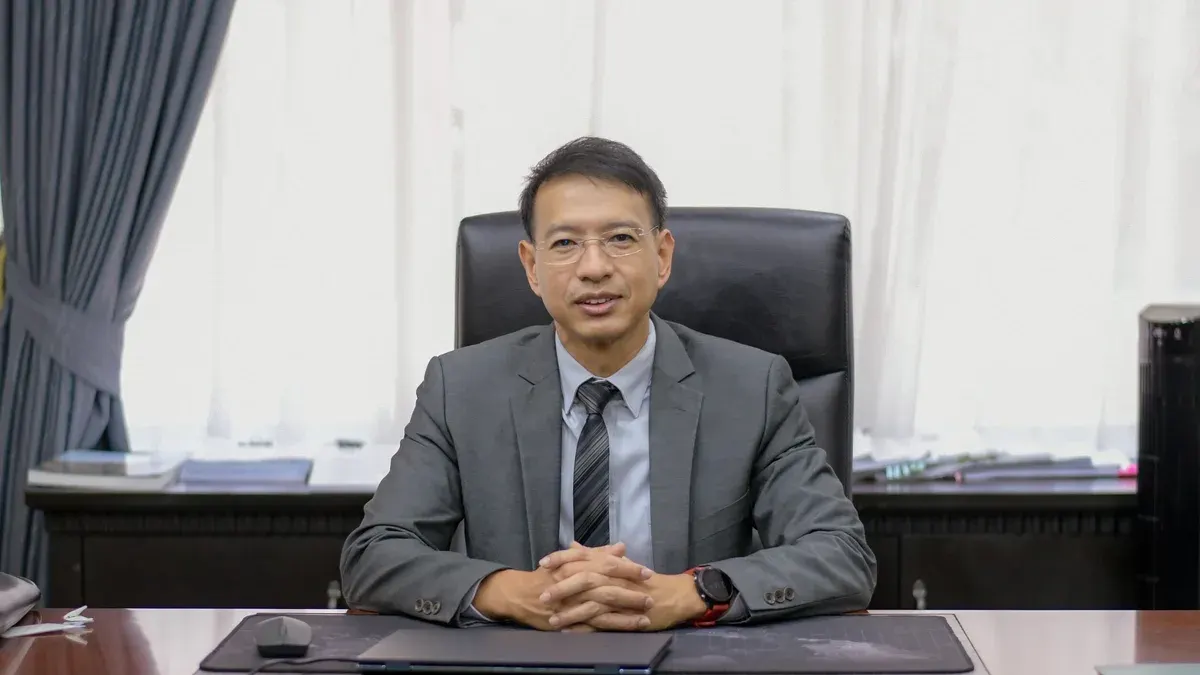
DPIM Director-General Aditat Wasinont revealed that the department has drafted an updated ministry announcement revising the 2017 and 2019 rules on import and export permits for minerals. The proposal adds five minerals that will require import permits: tin, lead, copper, gold, and rare earth elements. This aims to safeguard economic security, the environment, and public safety.
Over the past two to three years, imports of tin, lead, and copper from neighboring countries have increased significantly, while gold and rare earth imports remain low with no abnormalities detected. However, DPIM proposes regulating them preemptively because mining of these two groups may be linked to water contamination.
Applicants for import permits must specify mine coordinates and submit certificates of origin (C/O) along with proof of the consignee's identity or a corporate registration certificate issued by the government of the country of origin. This will allow DPIM to trace back to the production source, verify the consignment's legitimacy, and prevent Thailand from being used as a transit route for minerals from mines causing cross-border impacts.
Aditat said DPIM will use the mine coordinate data to assess links to arsenic and heavy metal contamination in border water sources such as the Sai and Kok Rivers. If clear evidence shows a mine affects Thailand, the information will support further measures. Meanwhile, inspections of chemical exports from Thailand used in mineral processing and metal leaching have found no abnormalities, and no cyanide exports for gold leaching have been detected for several years.
Before drafting the announcement, DPIM consulted with the Pollution Control Department, Customs Department, Ministry of Foreign Affairs, Mining Council, and Federation of Thai Industries to ensure the criteria suit operators. The next step is a public hearing via the central legal portal before submitting to the Minister of Industry for signature, with a goal of enforcement early 2027.