Industry Minister Pushes Quality Investment, Tech Transfer for Thai SMEs
Industry Minister Varavut Silpa-archa outlined a strategy to attract quality investment and integrate Thai SMEs into global supply chains at the Sustainability Expo 2026. The first half of 2026 saw investment applications surge 37% to 1.47 trillion baht, targeting digital, electronics, and agro-processing sectors. The government aims to convert these proposals into actual projects while upskilling over 100,000 workers and promoting green manufacturing to drive higher-value, innovation-led growth.
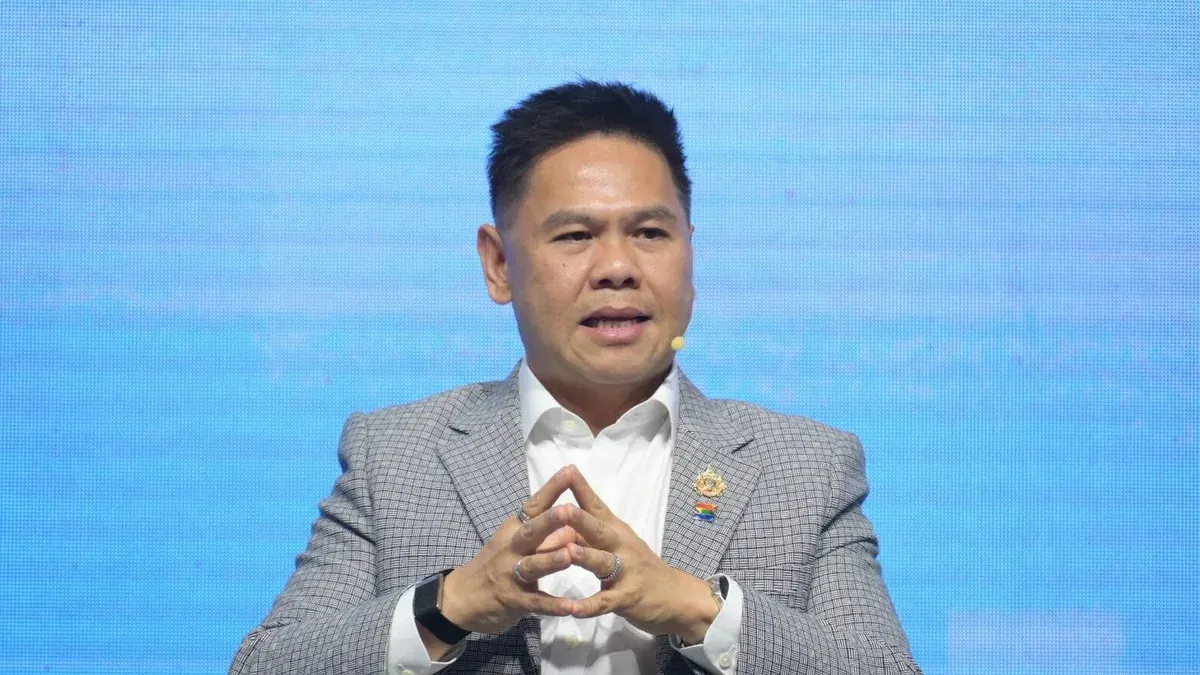
Industry Minister Varavut Silpa-archa, speaking at Spotlight Day 2026 under the Sustainability Expo at the Queen Sirikit National Convention Center, said Thailand should leverage its economic ties with multiple nations to expand market, capital, and technology options while safeguarding sovereignty, economic security, and the right to set its own development path. Thailand boasts strengths in industrial base, manufacturing networks, strategic location linking regional markets, and agricultural and food potential to attract investment. In the first half of 2026, 1,299 investment promotion applications worth about 1.47 trillion baht were submitted, a 37% increase year-on-year, with interest in digital, electronics, and processed agriculture. The next challenge is turning applications into actual investment, alongside driving projects forward. The discussion framework emphasizes investment quality: technology transfer, R&D, workforce upskilling, and opening opportunities for parts manufacturers, SMEs, farmers, and local entrepreneurs to join supply chains, while developing skills for over 100,000 workers to support advanced and AI-driven production.
According to the Board of Investment (BOI), projects approved in the first half of 2026 are expected to create over 82,000 Thai jobs, use domestic raw materials worth about 386 billion baht annually (roughly 42% of total raw material value), and generate over 1.24 trillion baht in annual export value. With about 3.31 million SMEs employing around 13.65 million people in 2025, linking these businesses with investment projects is key to reducing the K-shaped economic growth gap. Project evaluation must weigh economic value added alongside compliance with laws, industrial standards, safety, energy and resource efficiency, and community and environmental impact under clear, transparent, and predictable criteria. Reducing redundant regulations and the Super Licence concept aim to cut time and costs in permitting.
On production, the Industry Ministry is pushing Green Industry and Green Productivity to help factories use resources efficiently, lower costs, and reduce environmental impact. Energy, waste, and greenhouse gas management capabilities affect access to international markets, financing, and supply chains. Varavut said over the next 5-10 years, Thailand should build on its production base to develop its own products, technology, and innovation in high-potential sectors from AI and digital technology to semiconductors, advanced electronics, automation, robotics, and modern vehicles, while leveraging agricultural strengths toward precision agriculture, future food, and health food. Moving to higher-value production requires cooperation among government, private sector, multinational firms, and educational institutions to raise Thai manufacturers' standards and capabilities, alongside preparing infrastructure for energy.