Thailand Tourism Boost Scheme Gets Cabinet Green Light
Thailand's Cabinet will approve a tourism stimulus programme offering accommodation subsidies capped at 2,000 baht per stay plus separate vouchers for other tourism services, with officials implementing price controls to prevent hotels from

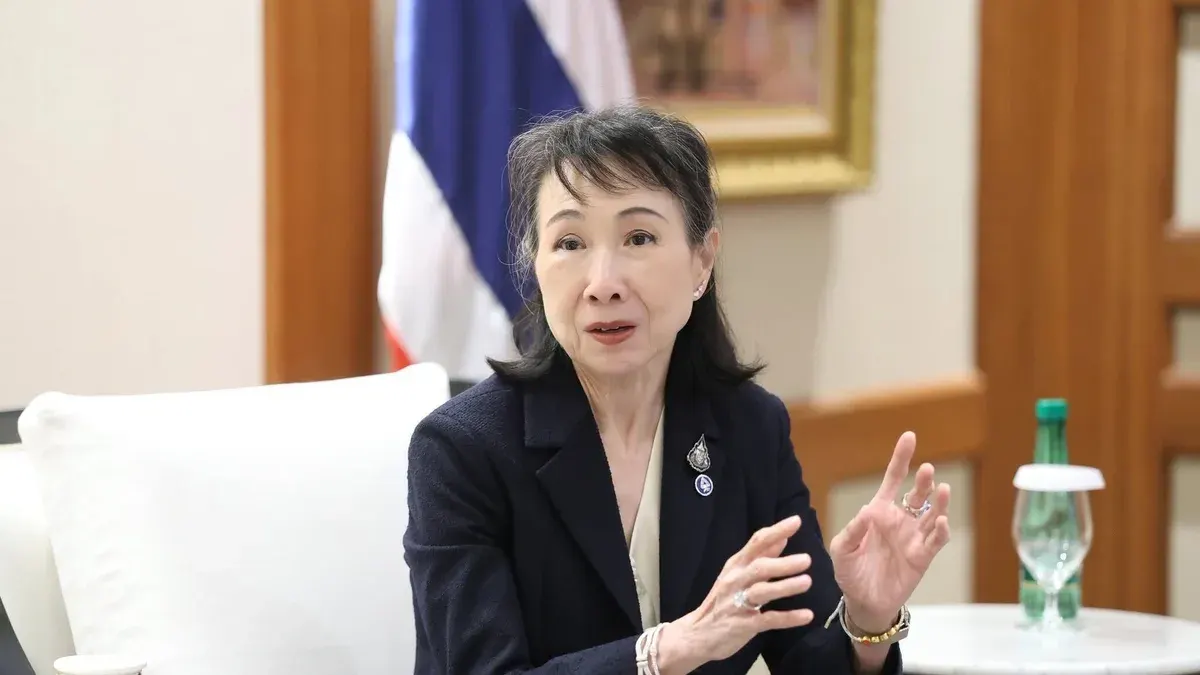
Tourism and Sports Minister Surasak Pancharoenkul announced that the Thailand Tourism Plus programme is scheduled for Cabinet approval on September 22, aiming to stimulate the economy and inject over 20 billion baht into circulation while implementing strict controls against hotels raising accommodation prices.
The scheme will offer accommodation subsidies capped at 2,000 baht per stay at a flat rate—if a room costs more, guests pay the difference themselves; if it costs less, they pay the actual amount. Separate vouchers valued at 1,500 baht in major cities and 2,000 baht in secondary cities will operate on a 50-50 cost-sharing basis similar to the previous subsidy-per-person programme. The vouchers will be usable across a broader range of tourism businesses, including spas, souvenir shops, massage services, and tour packages such as diving and boat trips.
In this phase, one million entitlements will be available, with each citizen eligible to use up to five. Registration opens in October, with vouchers usable from November 2025 through December 15, 2025, then again from January 16, 2026 through February 28, 2026, spanning three months total. The 4-billion-baht loan-funded programme is projected to generate over 20 billion baht in economic circulation.
When asked about safeguards against price gouging, Surasak explained that the Finance Ministry has designed a system to prevent accommodation price hikes. Under previous tourism stimulus schemes, complaints of price inflation were common. This iteration will require accommodation operators to register with price verification documents, and prices must match the previous year's rates—particularly important since November marks the peak season. If price increases are reported, tourism police will investigate. The flat-rate design makes price hikes economically pointless for operators.
Surasak noted that previous similar programmes dating back to General Prayut Chan-o-cha's administration have blacklisted approximately 1,000 operators and tourists for fraud. The most recent phase identified only four violators, suggesting improved compliance. The blacklist prevents participants from ever joining future schemes.