Thailand Transport Ministry Defers 3.6 Billion Baht Building Project
Thailand's Transport Ministry has suspended a 3.6 billion baht office building project, instead leasing an existing facility for 26 million baht total to reduce capital spending under new fiscal discipline guidelines.
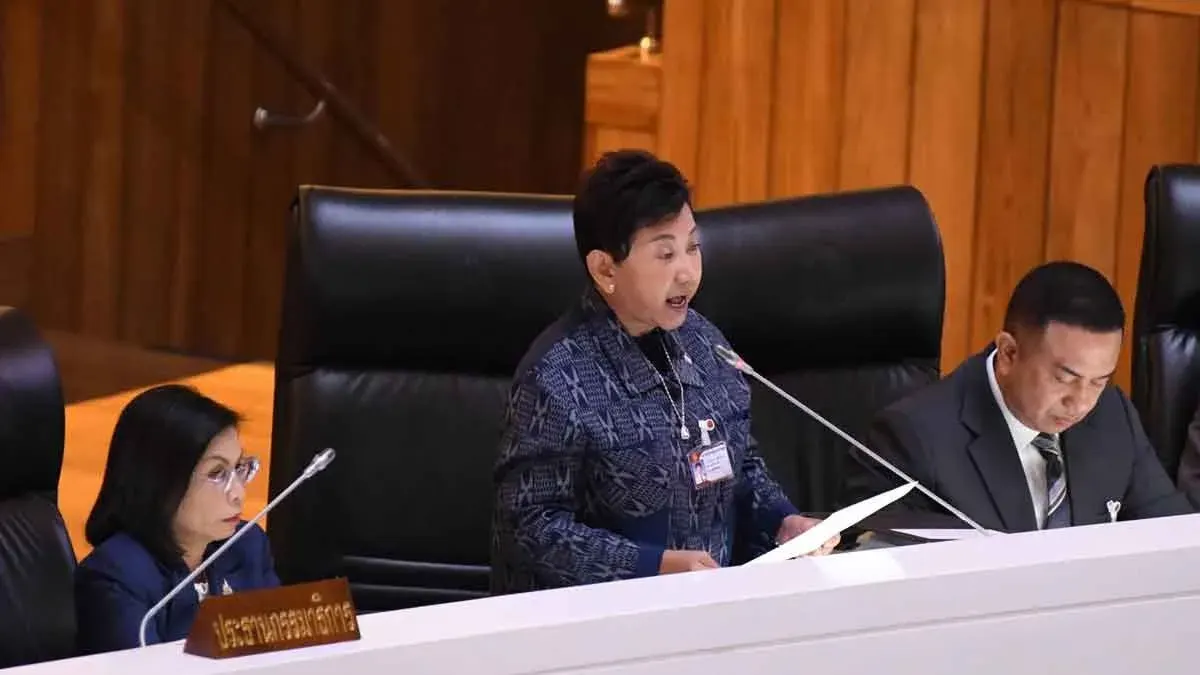
On September 8, 2026, Nanthana Songpracha, Bhumjaithai MP and chair of the Land and Construction Subcommittee, clarified the Transport Ministry's fiscal year 2570 budget spending priorities. The ministry confirmed it is emphasizing actual readiness and value for money within fiscal discipline guidelines.
The ministry is deferring construction of a new departmental office building in line with government policy to delay non-urgent state infrastructure projects. The original commitment of 3.552 billion baht has been suspended, with the ministry instead leasing an existing tourism facility for 6 million baht annually and 20 million baht in renovations to reduce capital burden.
For large projects exceeding 1 billion baht, first-year budget allocation is set at just 10 percent because actual first-year disbursement data averages 4.44 percent—sufficient for a 36-month procurement cycle without disadvantaging other projects. New commitments total 8.01 percent, within the 10 percent legal ceiling.
The ministry also cut 492 million baht from construction budgets based on design availability and delayed project performance. Overall Transport Ministry budget for fiscal year 2570 declined 23.961 billion baht (9.43 percent) from the previous year. The ministry reaffirmed transparent bidding under central accounting office standards with no contractor favoritism.
Separately, the Port Authority's land bridge feasibility study contract of 11 million baht marks the final phase (2567–2570), but because a deputy prime minister found commercial viability low, the authority will review the work scope and reduce funding through legal procedures.
For Port Authority vessel pricing, jet skis, and work vehicles, market comparison is not applicable because they require specialized equipment, safety systems, and training. The subcommittee has already approved appropriate budget reductions.