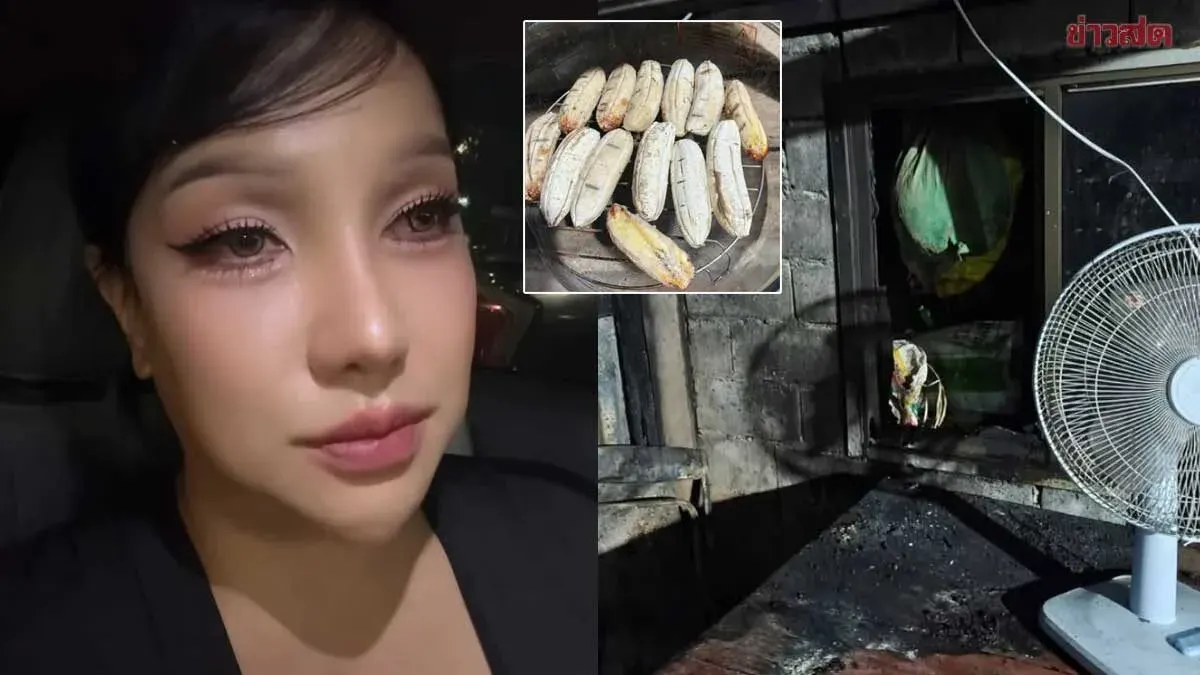
Villagers Serve Contaminated Fish to Cabinet Over River Pollution
Northern Thai villagers served fish from toxin-contaminated rivers to cabinet ministers at Parliament, demanding the government declare pollution from Myanmar mining a national priority. The contamination has devastated agriculture, tourism, and livelihoods across six northern rivers for three years, with villagers reporting health concerns and economic losses exceeding millions of baht annually.
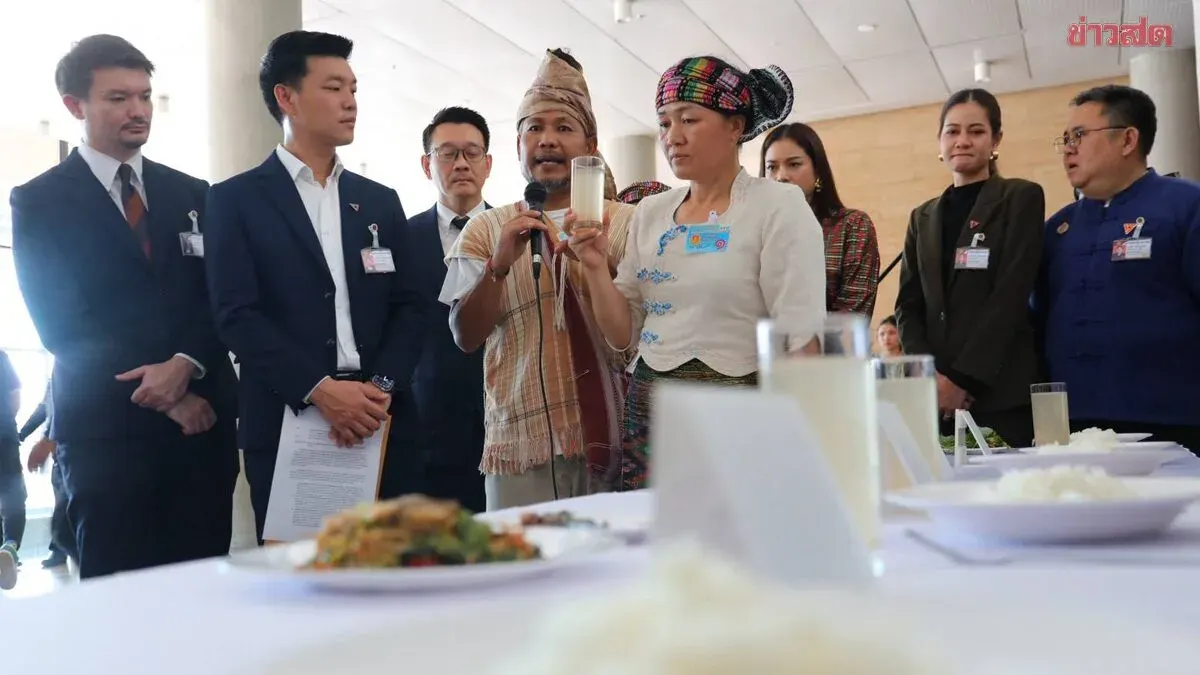
The Northern River Basin People's Network set up a table serving the Cabinet food from rivers contaminated with toxic substances, demanding the problem be addressed as a national agenda item. 'Theng' worries toxins spreading through the Mekong basin are affecting fisheries, urging the state to fix the problem at its source, not just monitor water quality.
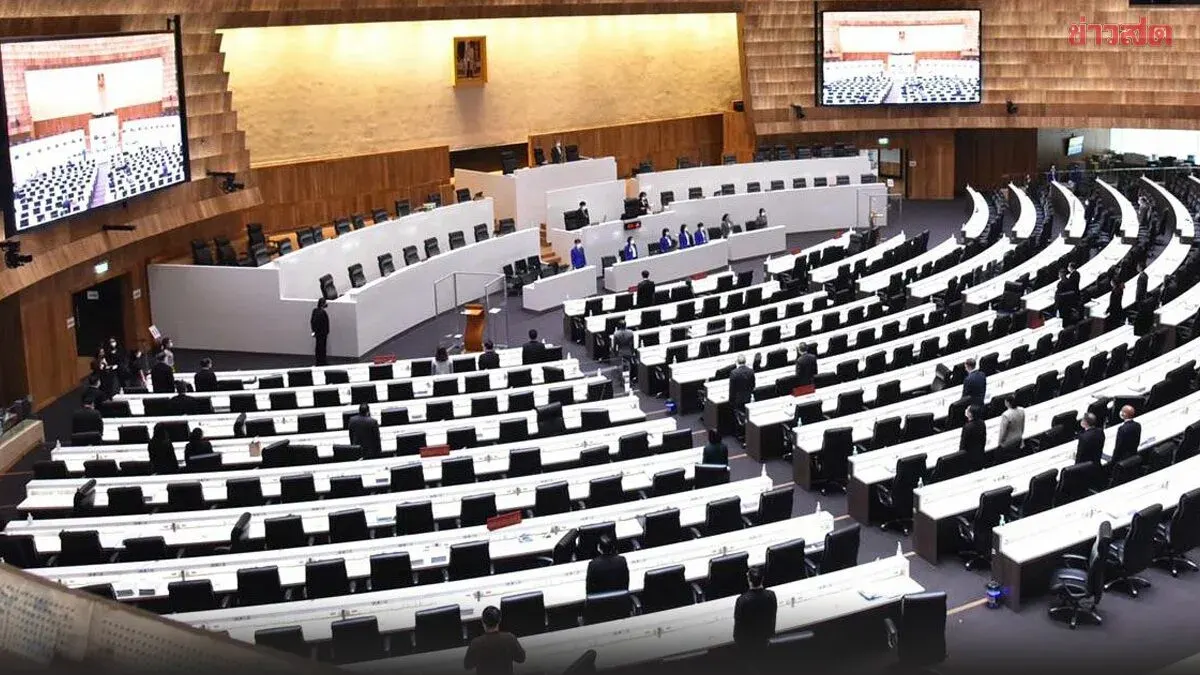
At 10:30 AM on November 25, 2026, at Parliament, the network of affected people from the Northern region organized a meal of fish dishes from the tributaries and the Mekong River, inviting the government including Prime Minister Anutin Charnvirakul, Deputy Prime Minister and Interior Minister Yuthasak Wongsuwat, Deputy Prime Minister and Higher Education Minister Warawut Silpa-archa, Industry Minister Suchat Chomklin, Natural Resources and Environment Minister Suwat Promphat, and Public Health Minister Phathana Phromphat to eat the contaminated food at the Parliament building. People's Party MPs led by party-list MP Natthaphong Ruengpanyawut and the People's Party leader also joined the activity.
Saengrawi Suwirikan, a villager from Tha Ton subdistrict, Mae Ai district, Chiang Mai, revealed that they want the Prime Minister and cabinet to visit and see the brothers and sisters affected by the river contamination. She asked to represent those in the Kok, Sai, Ruak, Khongkraburi, and Salween rivers, saying that for two years since learning of mining in Myanmar and seeing the rivers change, they have lived with this crisis entering a third year. Beyond murky water, the rivers contain toxins.
Regarding the economy, Saengrawi said all non-contaminated areas have been mined out. They cannot export agricultural products due to lack of clear data and employment. They must buy 100% of their drinking and household water, whereas before they used the Kok River for consumption, agriculture, and now must import vegetables from elsewhere.
Saengrawi said they cannot pass on cultural traditions tied to the waterways. In Tha Ton subdistrict, at least three major water festivals — Songkran, Loy Krathong, and Loy Uppakhut — used to draw hundreds of thousands of tourists generating 50-80 million baht per festival. The Loy Krathong festival used to be lively, but now there are no tourists; hotels and restaurants have closed.
While physical health impacts are not yet clearly visible beyond skin rashes, mental health is gone because they worry about toxins and survival. People are breaking down from contamination that has changed their way of life. They demand the government produce clear data, separate unaffected areas instead of lumping them together, and provide immediate compensation — especially clean water for affected communities. Water filtration points in Tha Ton are insufficient for the 20,000-plus affected residents; a single filtration point is not a solution.
Saengrawi said they have tried to find solutions by submitting data to state agencies. They have natural mountain water sources and want permission to build reservoirs, but after two to three years they still have nothing. They demand that contamination in the six rivers be made a national agenda item for urgent discussion because the health of citizens is not just in Chiang Mai and Chiang Rai — toxins have already spread widely.
Jirapat Kanthiyajai, a villager from Tha Ton subdistrict, Mae Ai district, Chiang Mai, said over the past two years of heavy metal contamination, they faced lumping of all areas together. Rice mills refused to buy their rice. From growing soybeans exported to Japan, sweet corn, and roselle, they are now prohibited from planting. Farmers must rent new land elsewhere to farm, and agricultural prices have been suppressed.
"Now we have nothing to eat because everything..."