Wat Sra Kaeo Monks Explore Ancient Wiang Sa Heritage
A delegation of senior monks from Bangkok's Wat Sra Kaeo visited Wat Wiang Sa in Surat Thani to study the ancient Wiang Sa city ruins. The temple sits within a moated archaeological site that once featured inner and outer urban zones, with artifacts such as Buddha images attesting to the area's historical Buddhist civilization. The visit aims to strengthen inter-temple ties and promote preservation of southern Thailand's cultural heritage.
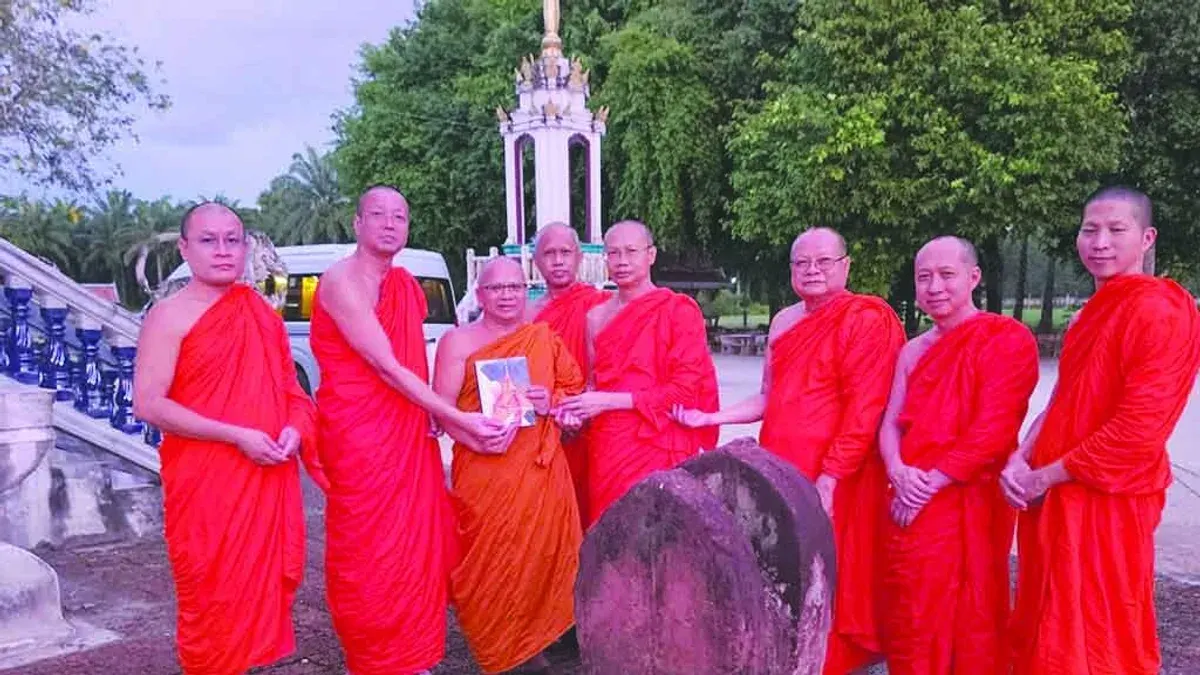
Recently, a delegation of monks from Wat Sra Kaeo Ratchaworamahawihan, comprising Phra Thep Wachiraworaphan, Phra Thep Wachiraworakit, Phra Rajapanya Wachiracharn, Phra Rajawachira Chetthiyaphon, Phra Wachirawihan Kan, Phra Wichira Chetthiyaphon, and Phra Wichira Sitthi Sopon, traveled to visit Wat Wiang Sa in Wiang Sa District, Surat Thani Province. This ancient temple is located within the historic 'Wiang Sa Ancient City,' one of the most important ancient communities in southern Thailand, holding value in history, archaeology, Buddhism, and culture. Archaeological evidence and artifacts reflect the past prosperity of the community, along with traces of city moats, ancient ponds, and foundations of significant ancient structures within the area.
On this occasion, the Wat Sra Kaeo delegation toured the temple grounds and the Wiang Sa Ancient City area, studying historical traces, ancient monuments, and cultural heritage that remain evident today. The Wiang Sa Ancient City is characterized by surrounding moats and a division into outer and inner city zones. Present-day archaeological evidence includes ancient city moats, ancient ponds, and various ancient foundations, bearing witness to the community's development and the flourishing of Buddhism, art, and culture in the area since ancient times.
Additionally, the Wat Wiang Sa area has yielded discoveries of several important types of ancient artifacts, including Buddha images and religious sculptures, which serve as crucial evidence for studying the relationships in art, religion, and culture of ancient communities in the southern peninsula.
The atmosphere within the temple is shady, peaceful, and retains the value of a Buddhist site that blends seamlessly with the historical area, making it an important learning center for monks, novices, the public, and those interested in studying history, archaeology, Buddhism, and local cultural heritage.
This visit not only fostered religious relations between the monastic communities and paid respects to an important religious site, but also provided a valuable opportunity for the Wat Sra Kaeo Ratchaworamahawihan monks to study the traces of the precious civilization and historical heritage of Surat Thani Province. It promotes awareness of the value of ancestral heritage and encourages joint efforts to preserve, perpetuate, and maintain the heritage of Buddhism, art, culture, and local wisdom for future generations.