Religion Committee Visits Wat Pho, Backs Learning Center, Balances Tourism
A House committee visited Wat Pho on November 3 to discuss developing temples into public learning centers while balancing heritage conservation with tourism demands.
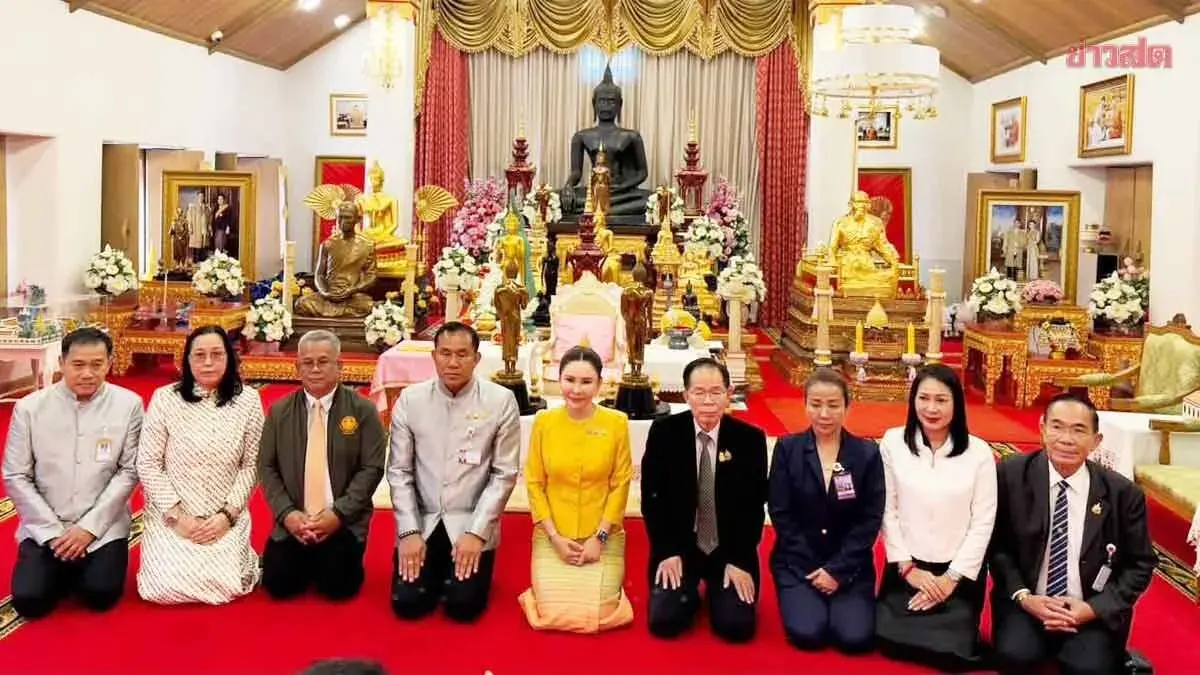
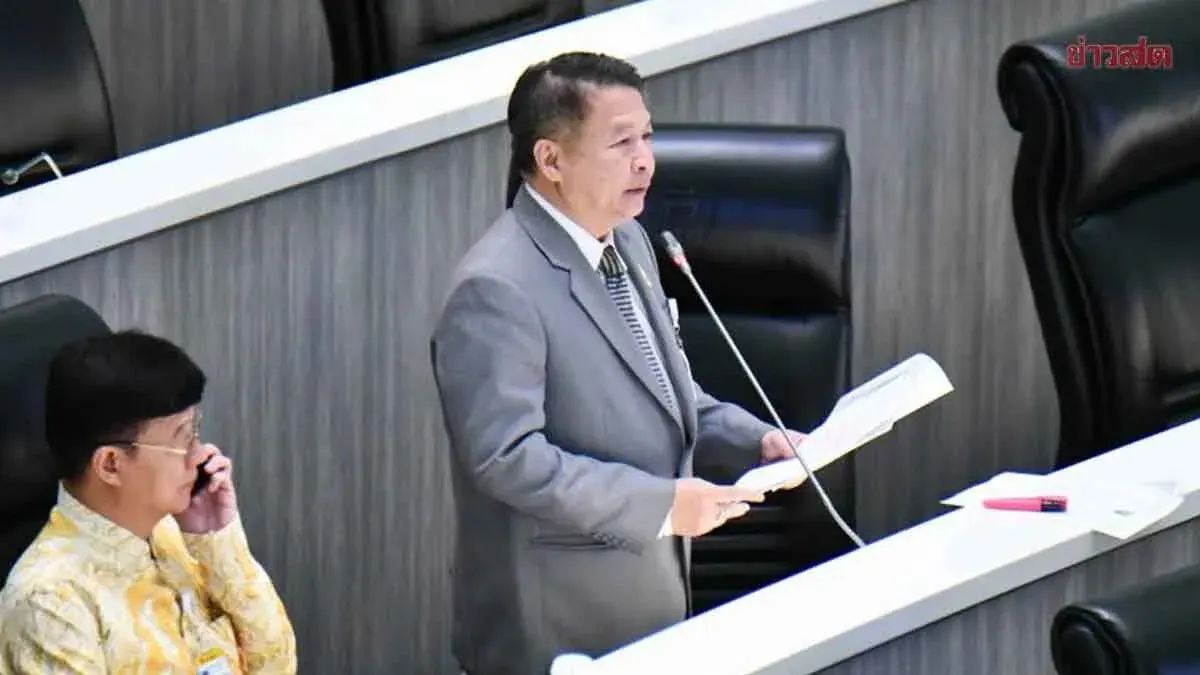
On November 3, 2026, the House Committee on Religion, Arts and Culture, led by Committee Chair and Phetchaburi MP Thiwalee Angkanan, visited Wat Phra Chetuphon Vimolmangklararm Rajwaramahaviharn (Wat Pho) in Phra Nakhon District. The delegation paid respects to the principal Buddha image in the ordination hall and then met with Phra Suthee Wachiraphatiphan, the temple's assistant abbot, to discuss the promotion of Buddhism and the conservation of the nation's valuable artistic and cultural heritage.
Thiwalee stated the visit aimed to study and exchange views on the role of Buddhist institutions in upholding the Dhamma, developing temples into public learning centers, and fostering cooperation among the Sangha, government agencies, and the public to preserve religious, artistic, and cultural heritage for future generations. The committee also inspected key structures within the temple complex, receiving briefings on the maintenance of historical sites, artifacts, and artworks, as well as management strategies to accommodate religious activities, public education, and cultural tourism while preserving the site's original value and serenity.
The committee's work plays a crucial role in studying and considering issues related to the support, protection, and promotion of religion, as well as the conservation and promotion of the country's arts and culture. Findings from field visits will inform policy proposals to ensure long-term societal benefits, including the restoration of historically significant temples and ancient sites, promotion of Buddhist education and morality for youth, preservation of Buddhist art and ancient manuscripts, and support for religious activities that engage the public in transmitting Thai cultural traditions.
Thiwalee emphasized promoting temples as living learning centers, not merely places for religious rites, but hubs for transmitting knowledge of history, architecture, art, literature, and local wisdom. She highlighted the application of digital technology to store cultural data for broad, convenient public access. At the same time, supporting Buddhist work requires balancing conservation with the utilization of cultural spaces, especially at major tourist temples. Management must be appropriate, not disturbing the temple's peace or the Sangha's religious practices, while fostering understanding among Thai and foreign tourists about the value of these sacred sites. Direct engagement with monks and stakeholders is a vital mechanism to link temple issues and needs with legislative policy considerations for the promotion of Buddhism and heritage conservation.