KKG Lifts 2026 GDP Outlook to 2.6%, Exports to Surge 22%
Thailand's Joint Standing Committee on Commerce, Industry and Banking raised the 2026 GDP growth forecast to 2.4-2.6% and export growth to 18-22%, citing strong technology manufacturing and AI investment. However, the committee warned of a deepening K-shaped recovery where high import content limits domestic benefits, while lower-tier businesses struggle with weak demand. The KKG also endorsed higher excise taxes on imported EVs to protect the domestic auto industry and urged strict enforcement against illegal industrial waste dumping.
The Joint Standing Committee on Commerce, Industry and Banking (KKG) has revised Thailand's 2026 GDP growth forecast upward to 2.4-2.6% from the previous 2.1-2.5%, after updated Manufacturing Production Index (MPI) data showed the industrial sector expanding 2.6% in the first nine months — reversing the earlier index that indicated contraction. Technology products led with 18.9% growth, aligning with surging foreign direct investment and exports, reflecting the global digital wave as a key driver of Thai manufacturing.
Consequently, the KKG raised its 2026 export growth forecast to 18-22% from 12-16%, while lowering the inflation outlook to 2.1-2.5% from 2.5-3.0%. However, the committee warned that Thailand's economy is growing in an increasingly clear K-shape. Upper-tier businesses are propelled by global AI and data center investments, yet 60% raw material imports limit domestic spillover, while lower-tier businesses still face weak domestic purchasing power.
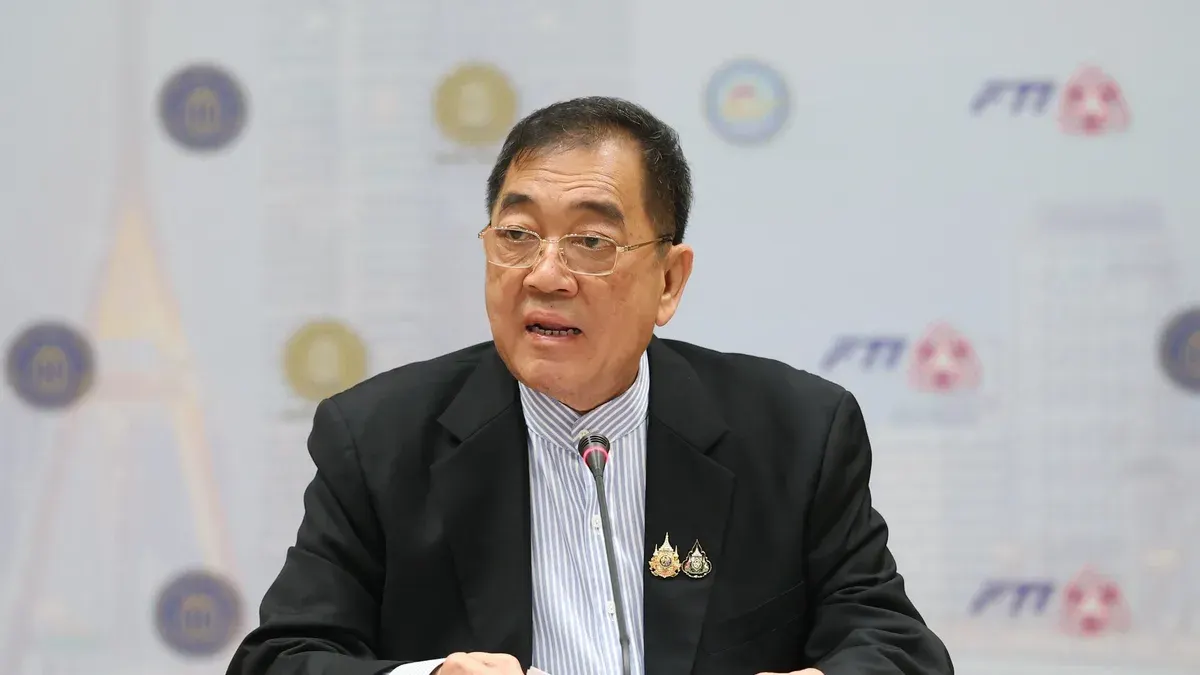
The key challenge is redirecting technology investment toward domestic value addition — employing Thai workers and using local supply chains — alongside boosting productivity and competitiveness of slower-recovering businesses. KKG Chairman Poj Aramwattananont said the IMF-World Bank Group meetings hosted by Thailand present a crucial opportunity for a "Second Take-off," positioning Thailand as a "Trusted Connector" for future industries and energy-transition investment toward a low-carbon economy. The KKG pledged to drive seven target industries under the Reinvent Thailand framework via the Board of Investment to enhance productivity and human capital.
Global risks require close monitoring: crude oil at $105-110 per barrel in early November due to geopolitical tensions, adding to living costs and inflation pressure; rising fiscal constraints in many economies; high long-term government bond yields; and concerns over an AI-sector bubble.
Domestically, the KKG supports raising excise taxes on imported battery electric vehicles (BEVs) and range-extended electric vehicles (REEVs) to 35% to ensure fairness and support Thailand's automotive base — worth roughly 10% of GDP, employing over 800,000 people and linking 3,000 SMEs. This is expected to push the auto industry to grow at least 7% in 2027, returning domestic production to 1.55 million units annually, while attracting investment in EV components and autonomous driving systems.
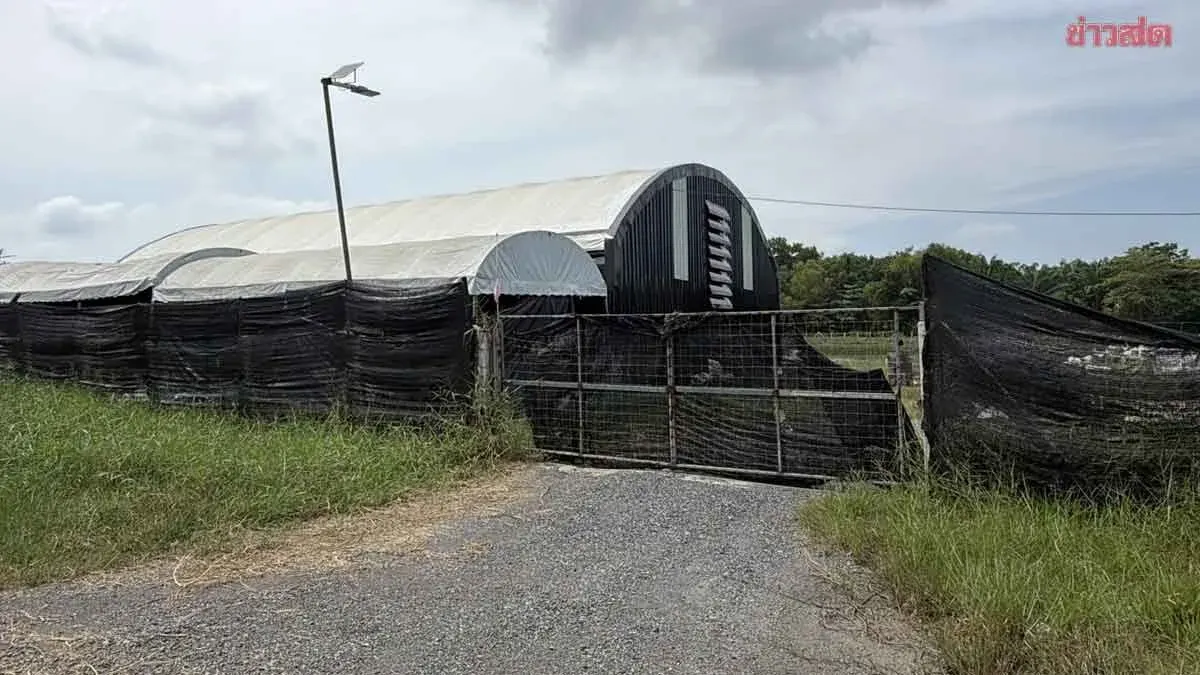
The meeting also reaffirmed support for the government and the Ministry of Industry in inspecting and cracking down on factories illegally importing and dumping industrial waste, enforcing laws strictly including plant closures or license revocations. The private sector emphasized it will not protect wrongdoers and that law-abiding operators must not be disadvantaged.