Abhisit Challenges Budget Redundancy, Demands Investment Clarity
Abhisit Vejjajiva challenged the government's 3.78 trillion baht budget bill, questioning redundant spending on energy and economic programs that overlap with a 400-billion-baht loan package. He demanded clarity on whether 60 billion baht r
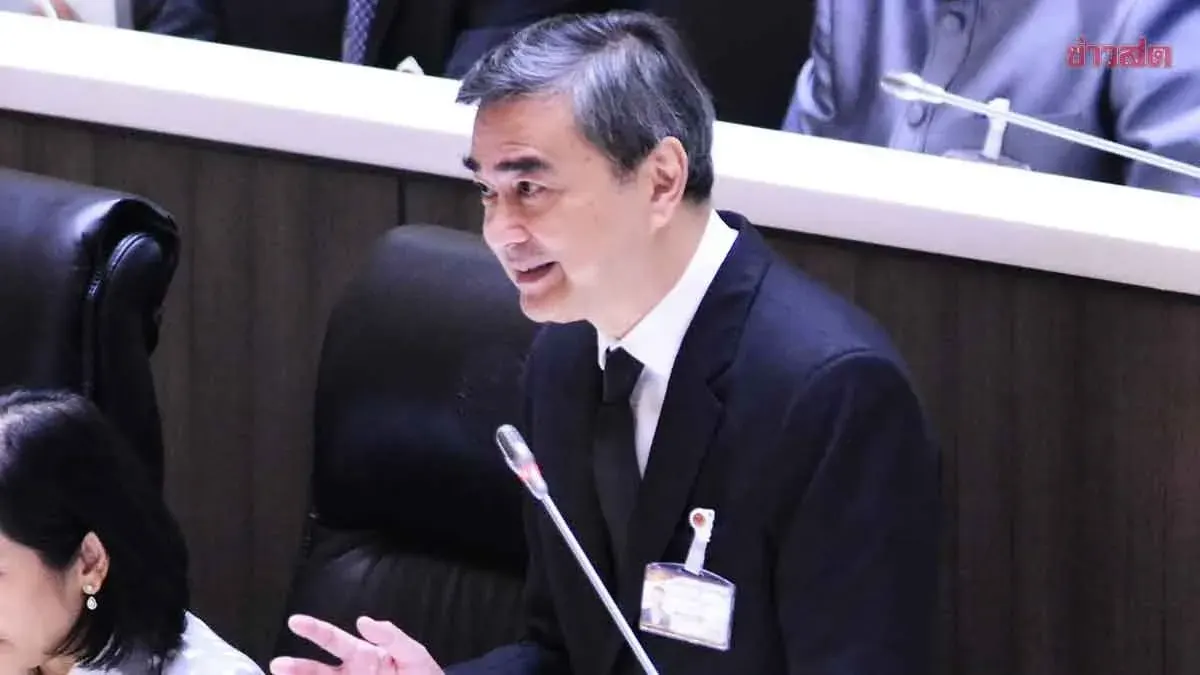
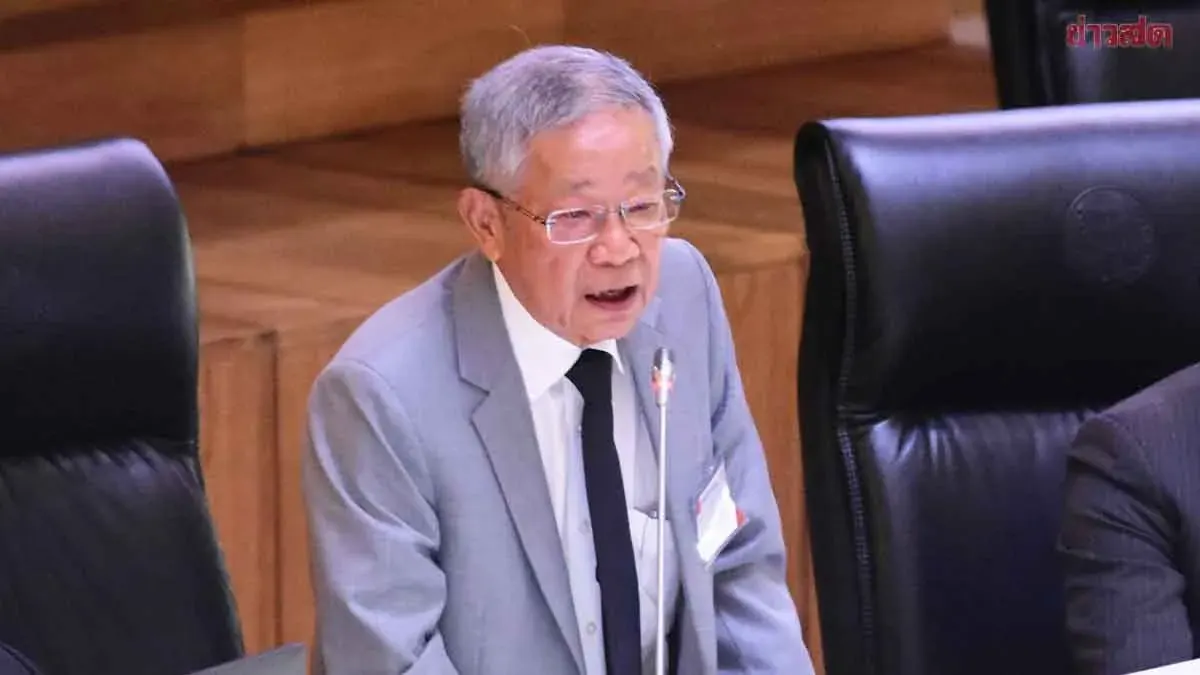
On September 7, 2569, the House of Representatives debated the fiscal year 2570 budget bill worth 3.78 trillion baht in its second and third readings following committee review. At 12:18 p.m., Abhisit Vejjajiva, Democrat Party leader and list-ranked MP, addressed Article 6 concerning the central budget. He said he had moved to reduce central budget allocations by approximately 12 billion baht related to economic and social rehabilitation spending and buffering against energy price volatility, noting this overlaps clearly with a 400-billion-baht loan package, particularly the latter 200 billion baht. He argued that energy project assessments from relevant officials show skepticism that the government has the capacity to meet targets such as converting households to solar roofing, citing supply and installation constraints.
Aside from redundancy, Abhisit assessed that 200 billion baht from the emergency loan decree would remain unspent, making it illogical to add another 12 billion baht from the central budget. He noted that after budget cuts across agencies, the committee decided to return approximately 6 billion baht to the emergency reserve fund. Abhisit stressed that in previous budget debates spanning two to three fiscal years, consensus emerged that central budget line items—whether civil servant healthcare, employee benefits, or pensions—have consistently proven insufficient, forcing drawdowns from the treasury and requiring compensatory budgets in subsequent years. He argued this undermines transparency and prevents concrete assessment of spending efficiency, hindering the reforms discussed from the first reading.
Abbisit questioned whether the government would turn a blind eye and circumvent law rather than follow it. He challenged the committee's assertion that 60 billion baht represents capital expenditure, noting past central budgets were largely transfer payments and emergency assistance rather than investment. When the committee claimed confidence in legal compliance, Abhisit demanded a detailed breakdown of what specific capital projects the 60 billion baht would cover. He pledged to verify whether the prime minister and cabinet's subsequent approvals matched committee claims. If the committee clearly confirms 60 billion baht in genuine capital expenditure from the central budget allocation, he said he would accept it without reservation. However, if they cannot answer clearly, he affirmed his intent to move for deletion of that central budget portion.