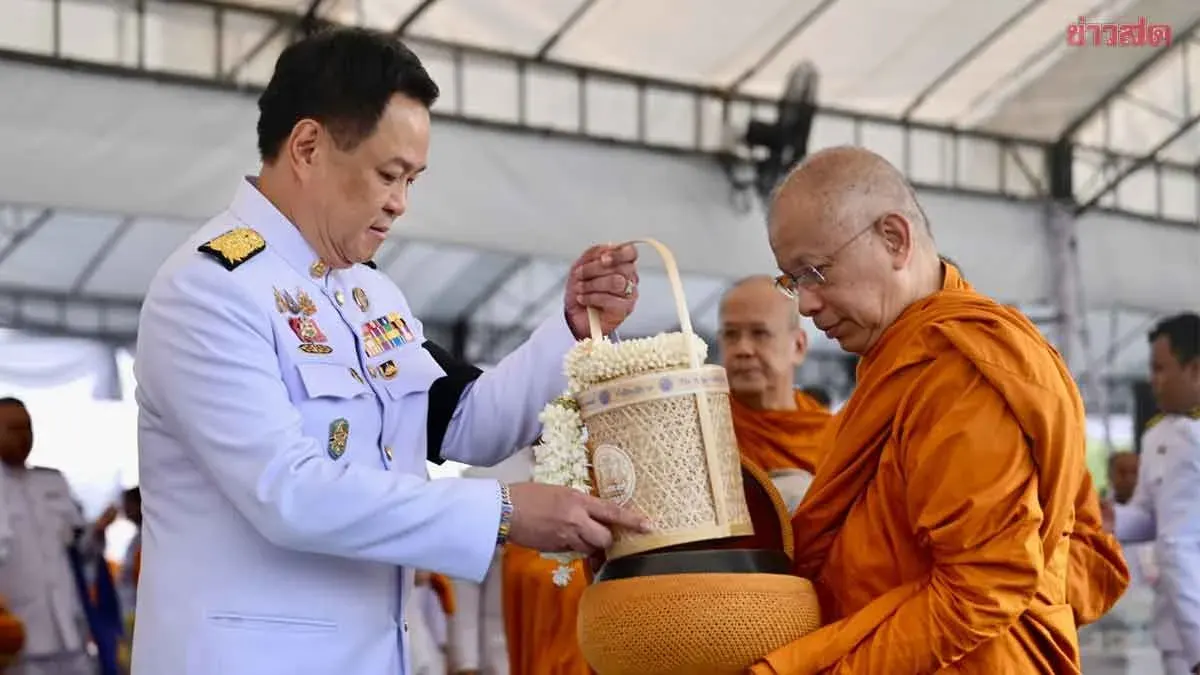
Anutin Keeps Door Open for Third Coalition Partner
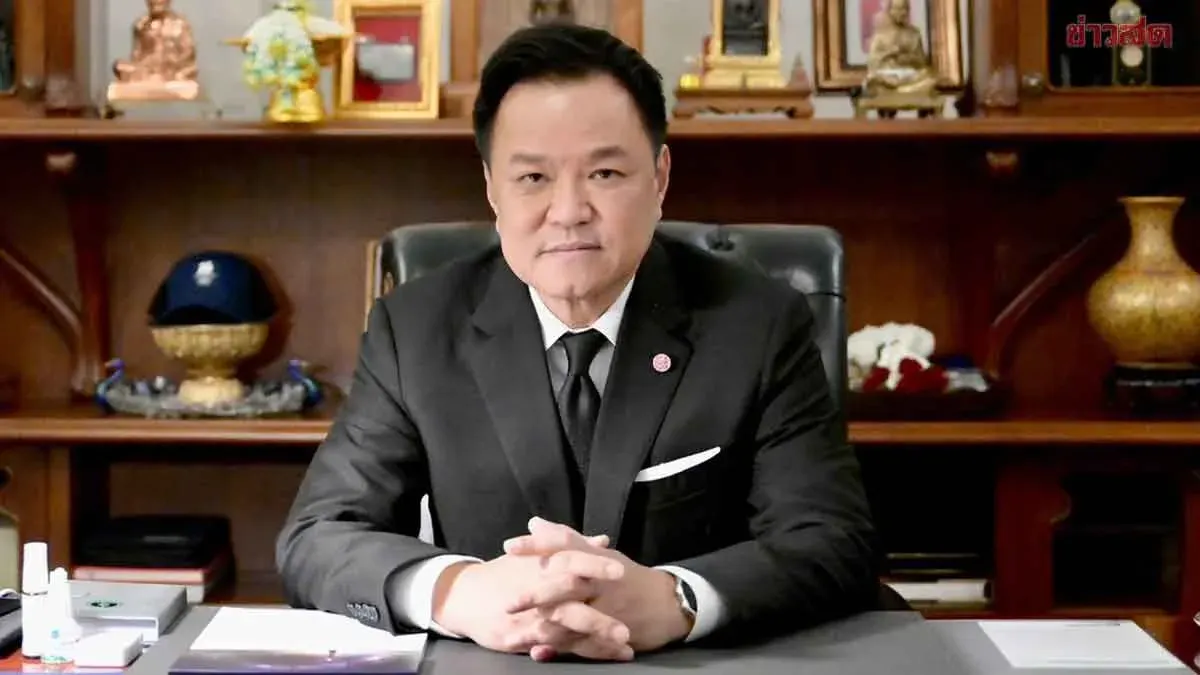
Deputy Prime Minister Anutin Charnvirakul said the coalition government remains open to a third partner but stressed any decision must serve national interest and stability, not partisan gain. He dismissed merger talks with the Kla Tham Party as premature and downplayed rumors of cabinet discord, emphasizing that all cabinet-approved projects are joint achievements regardless of party affiliation.
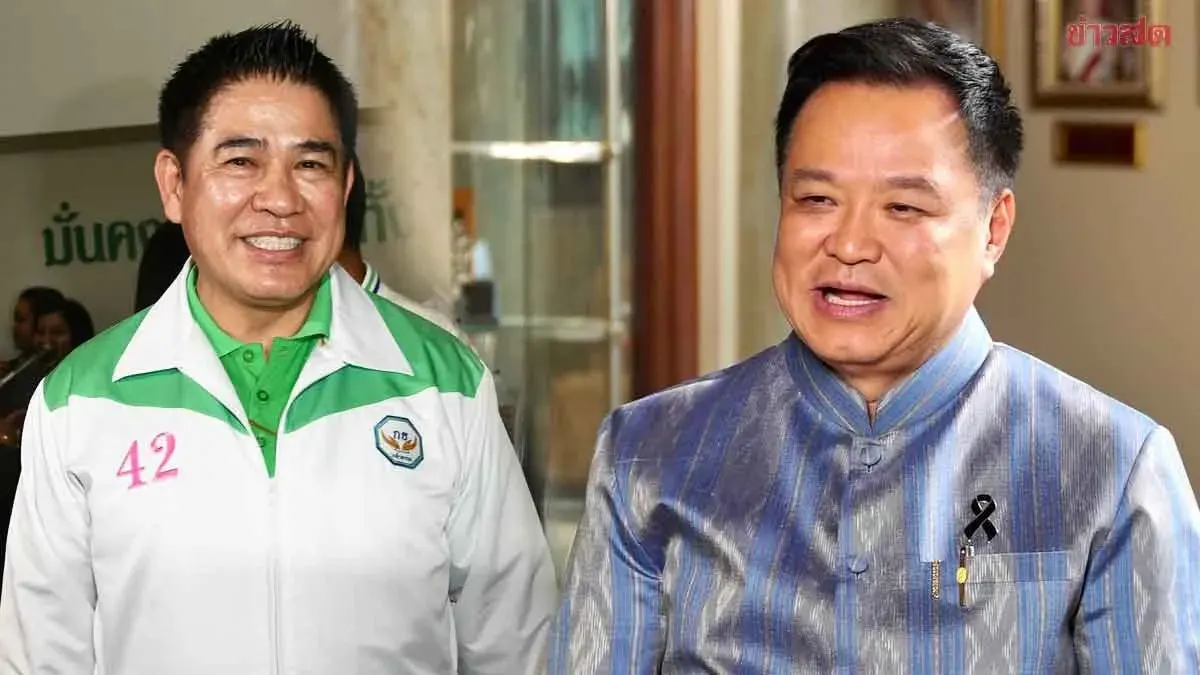
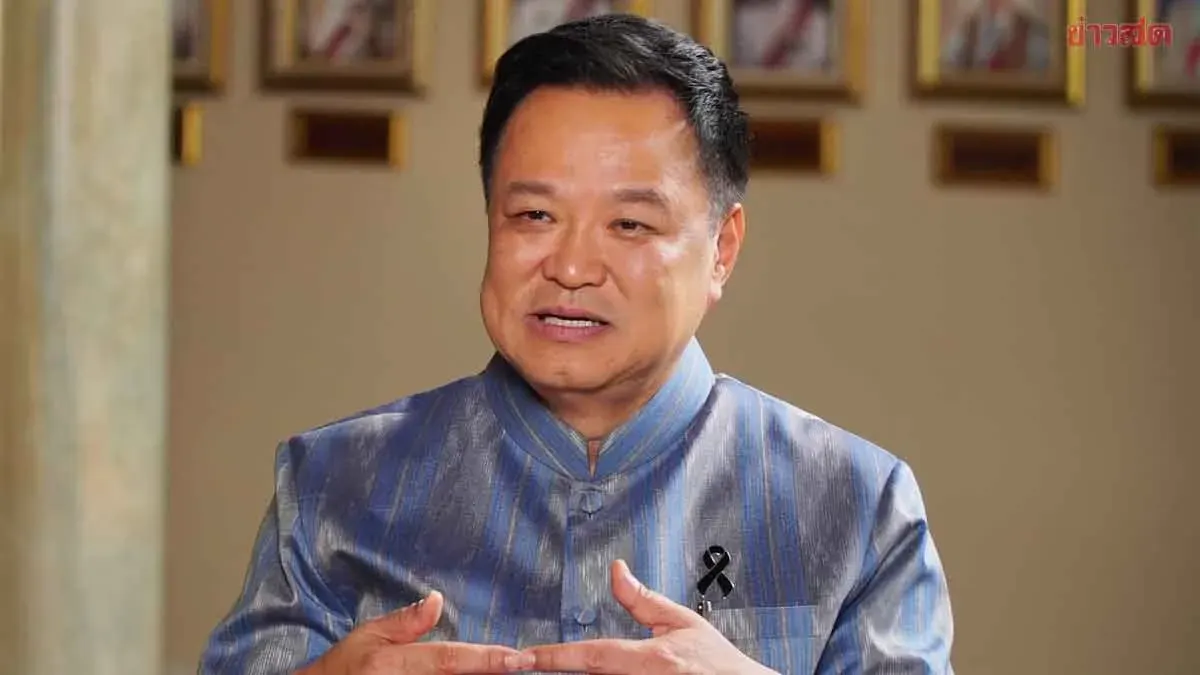
Deputy Prime Minister and Interior Minister Anutin Charnvirakul declared on Saturday that the door remains open for a third party to join the coalition, while dismissing speculation about a merger with the Kla Tham Party as something that depends on future circumstances. Speaking on the NBT program "Talk with PM Anutin" broadcast on October 24, 2026, Anutin addressed the relationship with Kla Tham and the possibility of expanding the two-party coalition.
"In politics, anything can happen, but decisions must not be made to appease any faction; the country's benefit must come first," Anutin said. When asked whether the current two-party coalition could expand to a third, he stressed that a government needs strength and stability to push policies through effectively.
Regarding a potential merger between Bhumjaithai and Kla Tham, Anutin said it is too early to answer because it has not happened yet. "Everything depends on the situation, necessity, cooperation, mutual understanding, and the outcome — whether the country and people benefit, whether the government becomes stronger, and whether those joining have the capacity to contribute," he said. If those conditions align with the core goals of national interest, public benefit, and government stability, the possibility exists, but hypotheses should not be set prematurely.
Asked if a Kla Tham vote of confidence in the upcoming no-confidence debate would signal an opening to join the government, Anutin replied that they must wait for events to unfold before assessing consequences. He characterized the no-confidence debate as a constitutional parliamentary process and an opposition right, stating he prefers to let the government's work and achievements answer the public rather than engage in political sparring.
On rumors of cabinet "undercurrents," Anutin insisted there are no problems between coalition partners, quipping that any waves are just the "Juzze system" supporting the work, not internal conflict. He emphasized that once in the cabinet, all projects approved by cabinet resolution are joint government achievements, not owned by any single party, because the ultimate goal is the people and the country, not political credit-claiming.
He cited the 165-billion-baht Sakae–Chao Phraya–Thai Gulf water project under the Ministry of Agriculture and Cooperatives as an example: if the government obsessed over which party gets credit, such a massive project might stall, but they chose to push it forward to solve chronic flooding.
"Today I am Prime Minister; I cannot think politics first. I must think of the nation first, not politics," Anutin said.
He rated the performance of the professional outsider ministers — including Sihasak Phuangketkeow, Pakorn Nilprapunt, Ekkanit Nittanpraphas, Suphajee Suthamphanit, and General Adul Boonthamcharoen — as satisfactory, noting each brings specialized experience and expertise. He views the cabinet's strength as its blend of people from different sectors.