Bangkok Deploys Real-Time Data Analytics for Heavy Rain
Bangkok is deploying real-time data analytics and reducing canal water levels to prepare for heavy rainfall expected September 23-27, while the Chao Phraya Dam increases releases to 1,500 cubic meters per second.
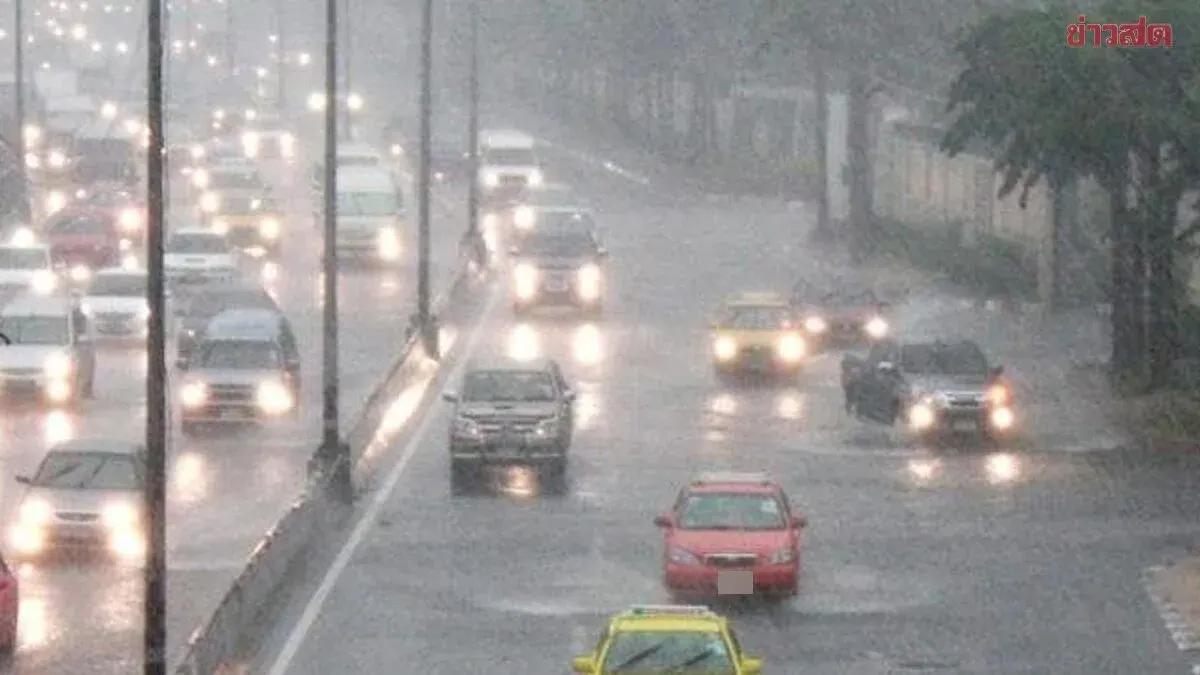
Bangkok is using real-time data analysis technology to prepare for heavy rainfall expected between September 23-27, while accelerating water level reductions in canals to boost drainage efficiency. On September 22, Jetsada Chantraprapha, director of the Bangkok Drainage and Sewerage Department, outlined the city's readiness plan in response to warnings from the Meteorological Department predicting severe rainfall across multiple provinces including Bangkok. The situation is compounded by the Royal Irrigation Department's announcement of increased water releases from the Chao Phraya Dam to 1,500 cubic meters per second, requiring close monitoring of river levels.
The drainage department is preparing by reducing water levels in canals to optimal depths, surveying and installing temporary pumping stations in high-risk flood zones, particularly along major roads, residential areas, and vulnerable side streets. Maintenance operations include cleaning drainage pipes, dredging canals, clearing vegetation and debris from drainage screens, and pump station debris to ensure rapid water flow into the system during heavy rainfall.
Bangkok is also implementing ongoing flood prevention and mitigation plans, learning from the 2022 flooding when the city received approximately 2,355.5 millimeters of rainfall—39.4 percent above average. Of 737 identified flood-risk zones, 516 have been corrected, with remaining sites under urgent work. Mobile pump systems are being deployed to supplement main drainage infrastructure where needed.
The city is constructing new drainage systems using pipe jacking technology along major streets to expand the drainage network without disrupting traffic, and building underground water storage basins to temporarily hold water during heavy downpours. Long-term improvements underway include drainage tunnels for large-volume water transport, canal embankment construction, upgrading existing pump stations, and deepening canal beds to increase water-carrying capacity.
The drainage department has also integrated information technology and data analysis systems to monitor conditions in real time, analyze rainfall and water volumes in risk areas, and feed data to a central command center for real-time water management. These tools help prioritize projects, track progress, and manage budgets efficiently, modernizing Bangkok's water management to be more precise and resilient to future urban development. Bangkok's low-lying terrain—with many areas near or below sea level—makes drainage dependent on gravity and pumping systems to move water into canals and the Chao Phraya River, making water-level differential critical, especially during heavy rain coinciding with high tides.