Bank of Thailand Pushes Baht-Yuan Direct Trade Settlements
Six Chinese banks have added the Thai baht to their yuan settlement systems, expanding local currency trading options for Thai businesses amid efforts to reduce reliance on major currencies in regional trade.
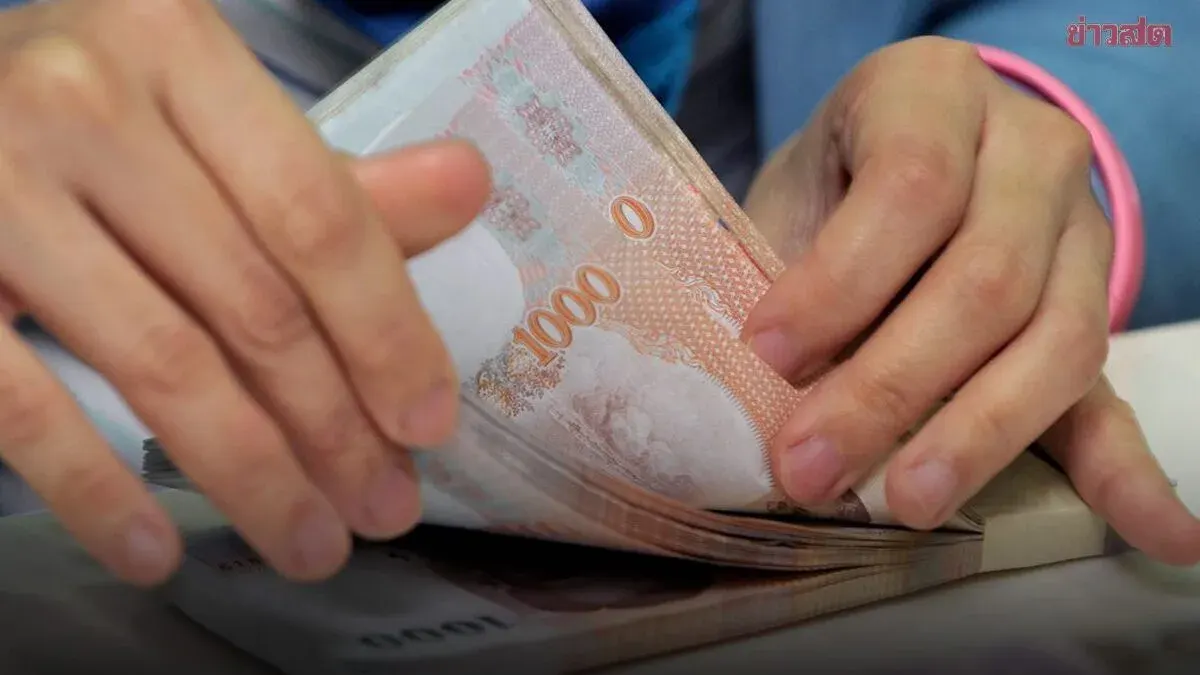
The Bank of Thailand says at least six Chinese commercial banks have added the Thai baht among roughly 12 foreign currencies to their systems for direct clearing and settlement with the yuan, giving businesses more tools to hedge currency risk. The central bank has long promoted local currency use in international trade and investment—a priority across the region due to bilateral trade flows and rising volatility in major currencies, especially from geopolitical tensions. The bank supports businesses by enabling local-currency transactions through various frameworks: bilateral currency-swap agreements with China and mechanisms set up jointly with Malaysia and Indonesia to encourage local-currency trade and investment.
However, a Swift report on global and international payment currencies in June 2025 shows that local currency settlement for goods and services remains low compared to major currencies, partly because many businesses still have trading partners across multiple countries and need major currencies. In Thailand's case, even though over 62 percent of trade is with Asian partners, only 17 percent of the total trade value is settled in local currencies. Thailand-China trade sees combined baht and yuan use in roughly 18 percent of bilateral trade value.