Chiang Rai Builds Safe Food City From Grassroots Up
Chiang Rai is launching a grassroots initiative to build a safe food system and improve public health by strengthening local farmers and producers. The pilot project emphasizes bottom-up community change rather than top-down policies to ens
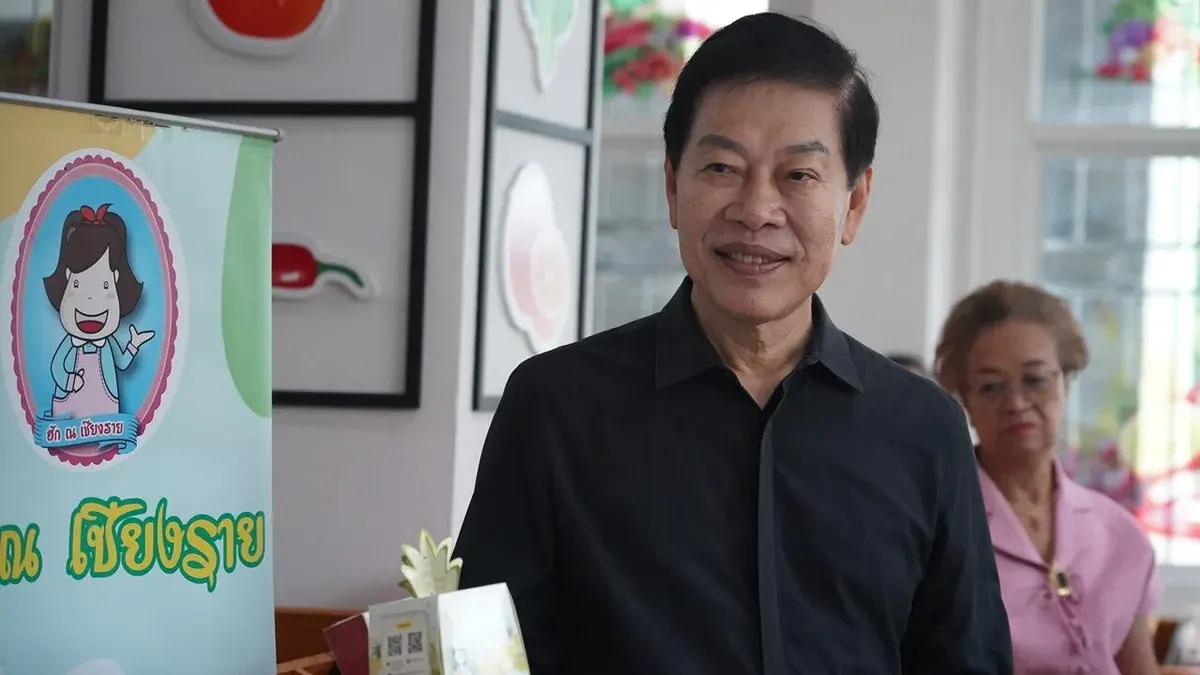
Chiang Rai is mobilizing community strength to create a safe food city and achieve balanced health. The initiative aims to strengthen foundations, shift thinking, and elevate the capacity of producers so consumers receive fresh, high-quality, safe food.
"Food safety is not the responsibility of any one person, but a matter for all humanity. As a living issue, everyone must be able to access safe food sources and have food security. It is not just policy spoken on paper—it is the breath and health of people in communities," said Dr. Tasanee Thamatin, lecturer at Chiang Rai Rajabhat University, capturing the heart of the "Safe Food, Chiang Rai City, Balanced Health" project.
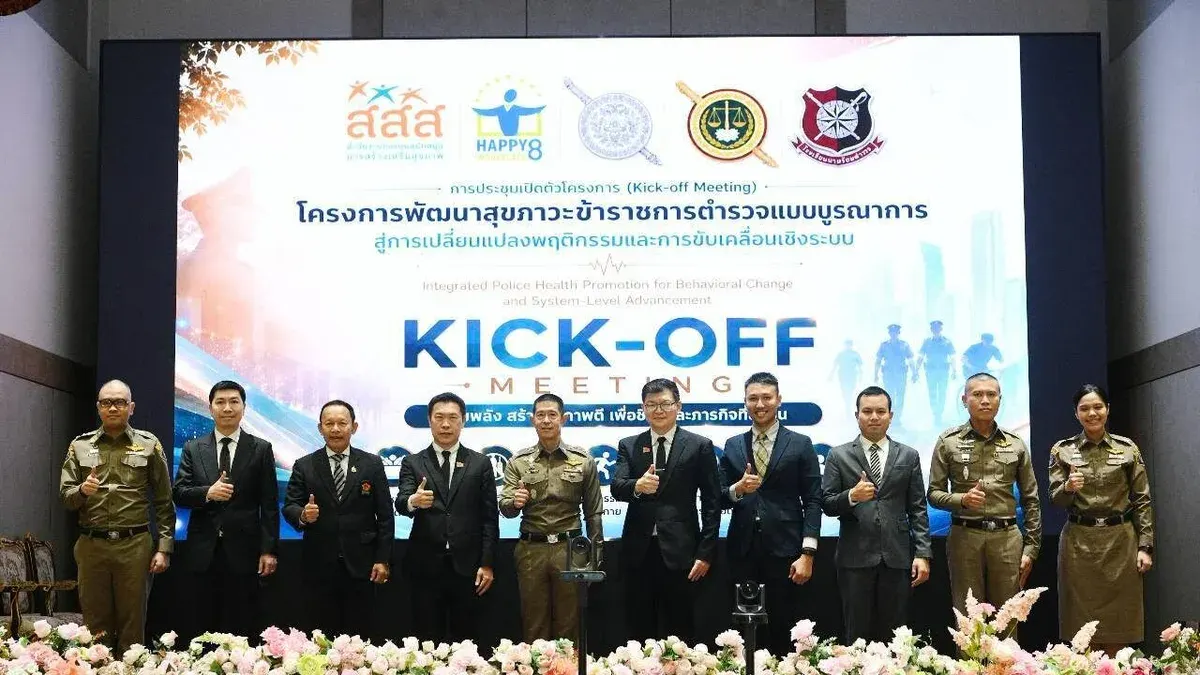
The project, which has begun with the goal of improving quality of life for people in Chiang Rai province, is supported by the Community Health Promotion Office (Office 3) and the Health Promotion Foundation.
Dr. Pisit Sripraserit, fund director and chair of the regional committee, stated that Chiang Rai was selected as a safe food pilot area because it has strong communities, is an upstream agricultural region, and has academic institutions that continuously inspect and evaluate food safety standards. Chiang Rai Municipality has become a success model, establishing a safe food system covering schools, hospitals, and restaurants within its jurisdiction. The Health Promotion Foundation gives special attention to this issue because food is a daily practice that directly affects health and is a key factor in preventing non-communicable diseases (NCDs), a major health problem for Thailand.
"Food is a daily lifestyle that everyone consumes and uses, so this issue directly impacts health. We therefore focus on safe food, meaning food without contamination—organic agriculture from the source," Dr. Pisit said.
Chiang Rai province is considered the strategic upstream city of northern Thailand, with climate and geography favorable to agriculture. However, as agricultural practices have changed with commercial trends, problems of pollution, chemical use, and health hazards have followed.
To genuinely revive Chiang Rai as a sustainable safe food city requires mechanisms that build understanding from the grassroots level. Many areas in Chiang Rai have demonstrated the power of an "internal explosion" of change.
Dr. Tasanee, an academic who grew up in a farming family, believes that the heart of successfully translating policy into practice lies in bottom-up work—starting from the "first button," which is the strength, readiness, and determination of the farmers themselves to change, rather than top-down policy orders that people at the implementation level carry out without true understanding. This is clearly reflected in the "Mae Sai Model," one of eighteen districts in Chiang Rai that has driven the project from the start.
"The term 'Mae Sai Model' may not sound impressive from the outside, but from a development perspective, what we want to confirm and show is the strength of the community—the success of the Nong Aeo group arose because farmers and leaders had the will to drive change, the inspiration to create transformation from within. Starting from just eight people, it has expanded to fifty households, over two hundred people, and spread across several subdistricts in Mae Sai," Dr. Tasanee said.
The grassroots transformation of the "Mae Sai Model" began concretely from past health crises. Village headman Sombun Nemhawon of Nong Aeo village, Mae Sai district, Chiang Rai province, reflected the reality of the past.