Commerce Ministry Mobilizes Retailers to Maintain Supply During Floods
Thailand's Commerce Ministry is coordinating with major retailers and markets nationwide to maintain supplies of essential goods during flooding, with officials monitoring price increases in vegetables and rushing fresh produce to prevent s
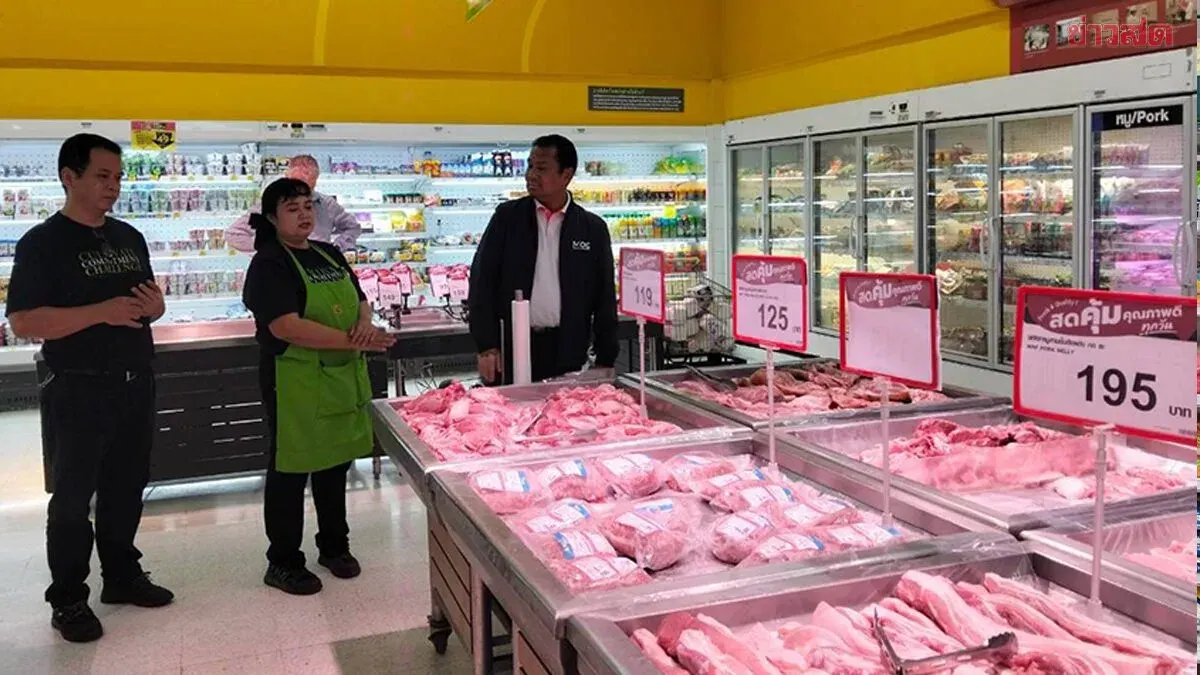
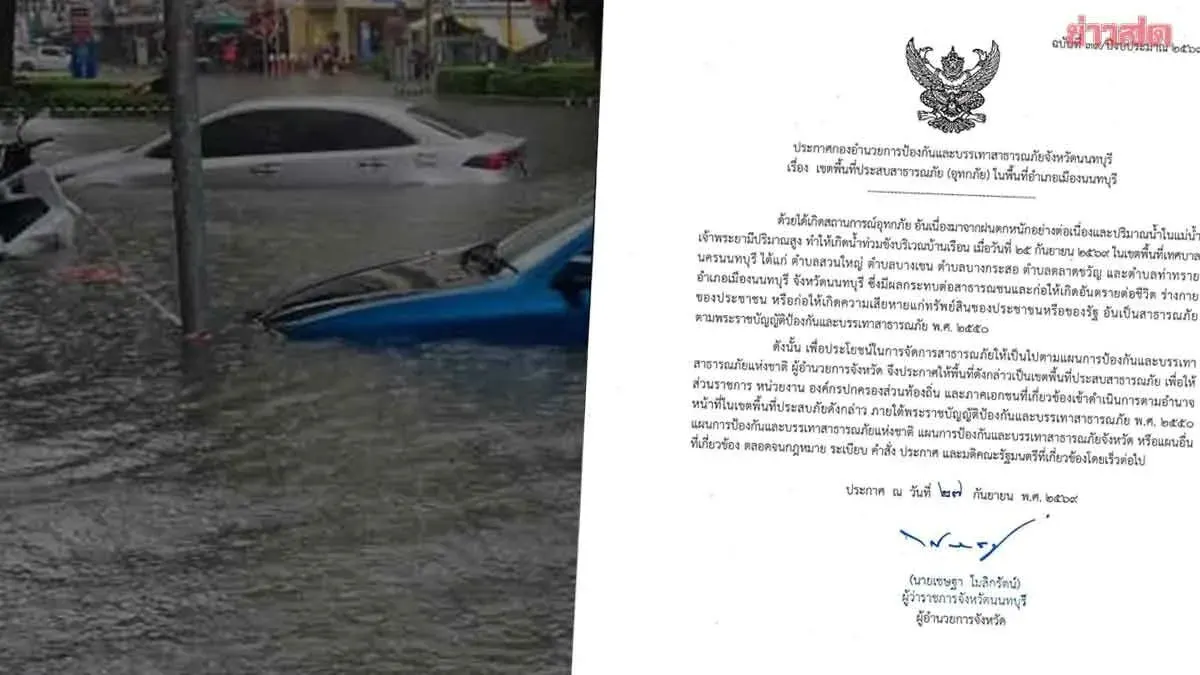
The Department of Internal Trade has called on retail and wholesale operators, fresh markets, and wholesale markets nationwide to monitor the flooding situation and confirm that the overall commercial system remains operational. Modern trade stores continue restocking goods normally, though some branches in affected areas face transport and delivery disruptions. Officials are watching for price increases in leafy vegetables and rushing supplies of pork, chicken, eggs, and fresh produce to market to prevent shortages and opportunistic price hikes.
On September 27, Withayakorn Maninan, director-general of the Department of Internal Trade, reported that Deputy Prime Minister and Commerce Minister Supachee Sutharamaphan has instructed the department to closely monitor the flood situation and assist the public with essential consumer goods, ensuring adequate supply in affected areas and preventing shortages.
The department convened representatives from all retail channels, including modern trade chains such as Makro, Lotus, Big C, Tops, Go, Wholesale Club, The Mall, and Foodland, as well as convenience stores Seven-Eleven, CJ, and Lawson. It also met with fresh market and wholesale market operators including Sai Thai Market, Sri Muang Market, Four Corners Market, Sai Market, Million Market, and Therd Thai Market, along with local department stores.
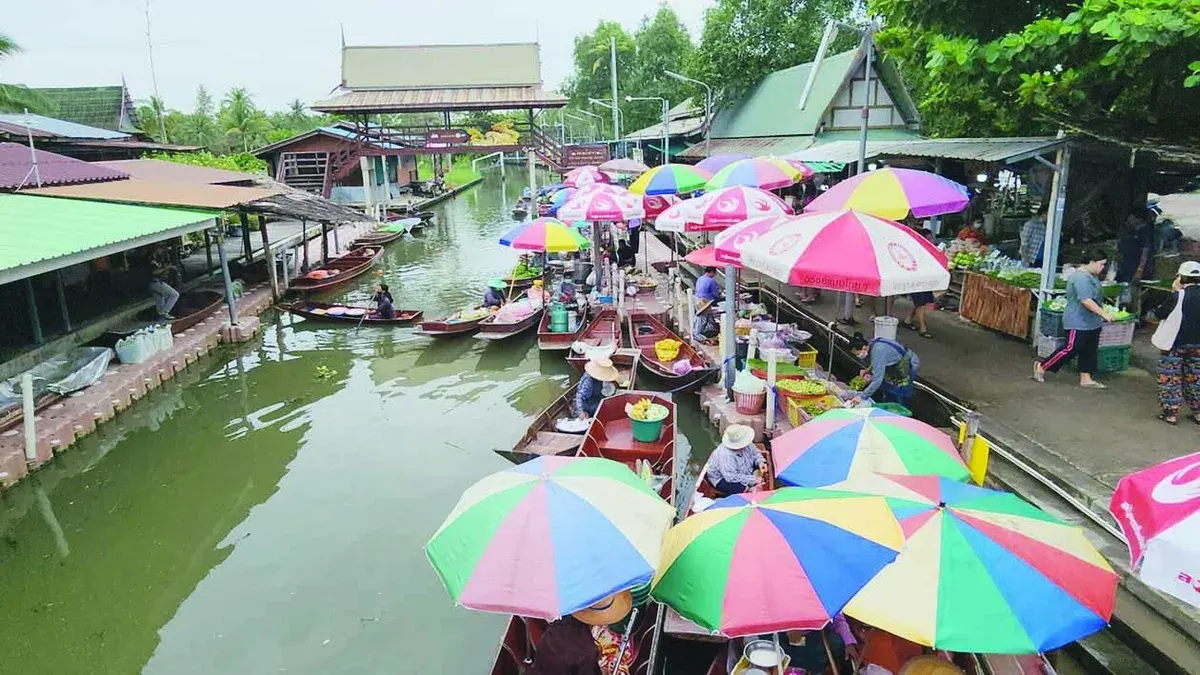
Withayakorn stated that discussions confirmed retail and wholesale systems continue operating normally, with modern trade stores restocking at regular rates. However, some convenience stores in affected areas such as Bang Kapi, Minburi, and Rangsit may face transport difficulties, causing service disruptions at certain branches. Most fresh and wholesale markets remain open with goods available, though they have seen reduced foot traffic and vendor numbers due to transport constraints from flooding.
The department will closely monitor transport conditions and market operations across regions to provide rapid support and resolve problems as needed. Officials are particularly watching leafy vegetable prices, including parsley, Chinese celery, and basil, which have risen, while cabbage, tomatoes, and cucumbers have declined. The department will continue monitoring production volume, weather, and transport to assess impact on consumer prices.
For the vegetarian festival scheduled October 10–18, if rainfall does not significantly worsen, vegetable supply is expected to remain manageable with no major disruption anticipated to festival purchases. The department will maintain close surveillance and prepare contingency measures if conditions change.
The Department of Internal Trade will implement two key relief measures: First, it will facilitate the continuous flow of essential consumer goods, particularly pork, chicken, eggs, and necessary vegetables from producers to fresh and wholesale markets.