Committee Expects Wastewater Test Results from Prachinburi Factory Next Week
The House Industry Committee said test results on wastewater leaked from a Prachinburi factory will be available next week. Provincial authorities have already shut down the facility, insisting it does not handle hazardous substances. Lawmakers are also investigating illegal industrial waste dumping and seeking cleanup and compensation plans for affected residents.
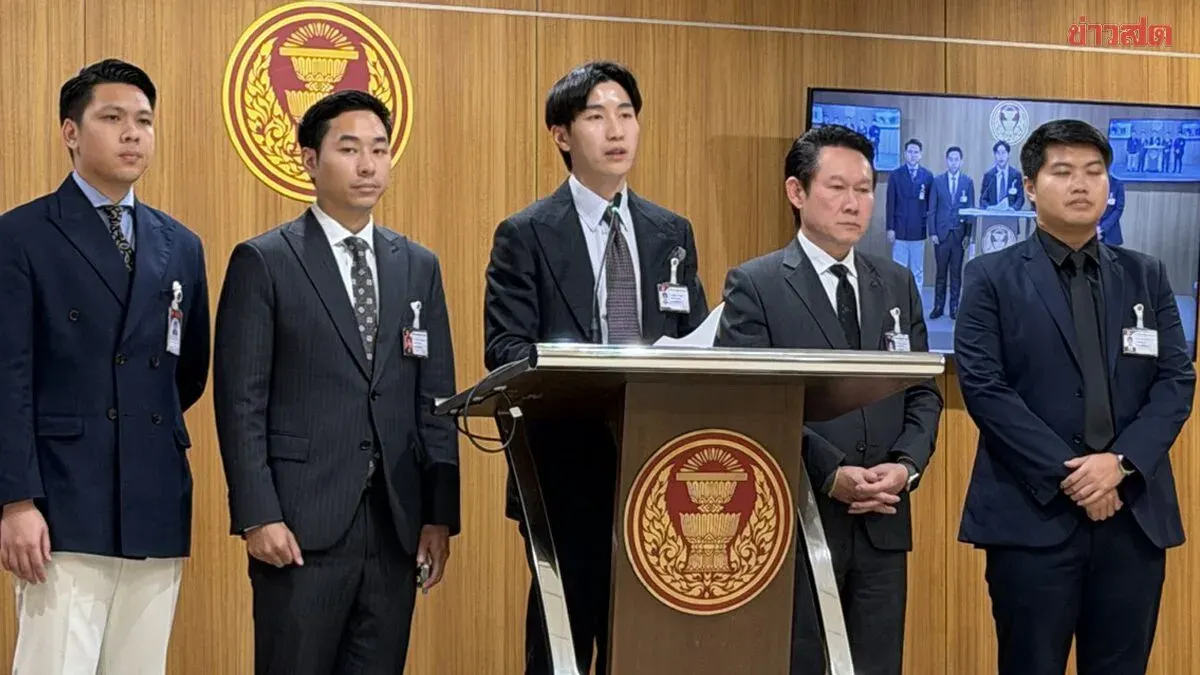
At 4:00 p.m. on October 7, 2069, at the Parliament House, Supachok Srisukchon, MP for Nakhon Pathom from the Bhumjaithai Party and chairman of the House Industry Committee, announced measures to prevent industrial waste dumping in Prachinburi Province. He said the committee had invited the Prachinburi Provincial Industry Office, the Pollution Control Department, the Office of National Economic and Social Development, and the Prachinburi governor to respond to questions about incidents in Sri Maha Pho and Kabin Buri districts, where residents were worried about oily water emerging from local factories. Today the committee questioned the results of wastewater tests that had leaked from the factory. The Pollution Control Department and the Prachinburi Provincial Industry Office explained that the test results would be released within the next week. Preliminary tests showed the oil residue came from oil that the factory had processed for recycling. The factory is classified as a non‑hazardous waste landfill, type 105 and 106, which the provincial industry office confirmed does not fall under the Hazardous Substances Act. Supachok added that the committee also discussed illegal dumping of industrial waste and restoration plans, noting that many complaints had been received from Prachinburi residents. He said the committee had consulted the Factory Department to find restoration solutions for people in Prachinburi and the eastern region. The Factory Department clarified that if the waste is hazardous it can be disposed of immediately; otherwise it requires proper handling. The committee asked how many cases had already been processed while awaiting court rulings, and the Factory Department said there are only about two cases per year. The committee therefore proposed to compile the number of complaints and estimate the budget needed to dispose of hazardous industrial waste, so that the findings could be submitted to the Minister of Industry for action. Supachok said the provincial industry office had invoked Section 37 to require the factory to make improvements and had used Section 39 to order its closure. He criticized the office for not issuing advance warnings to factories, especially types 105 and 106, before the major floods. The provincial industry office and the Pollution Control Department have met with the factory management and promised to speed up rehabilitation and compensation for nearby residents. They said they must wait for the test results, expected around October 12, to determine whether contaminants are present in the water. If pollutants are found and have caused damage, the committee will press for the submission of test results to pursue relief for affected residents. The committee also proposed testing soil along a four‑kilometre stretch from the factory outward to check for lingering contamination in agricultural areas of the two districts. Promechat Witayaraksakorn, MP for Bangkok from the People’s Party and the committee’s spokesperson, added that regarding enforcement of Section 37, the committee advises officials who wield this authority to order factories to make improvements, especially in light of the need to monitor current facilities.